How Singapore Humidity Affects Your Solid Wood Furniture (And What to Do About It)
I moved into a fifth-floor walk-up in Bedok in 2012, and the first piece of furniture I bought was a cheap laminated coffee table from a Tampines hypermarket. By the second monsoon season, the laminate had peeled off one corner and the particleboard underneath had swollen like a sponge. That failure is exactly why I now only buy solid wood — and why, after a decade of watching clients' furniture survive (or not survive) Singapore's climate, I want to share what actually works.
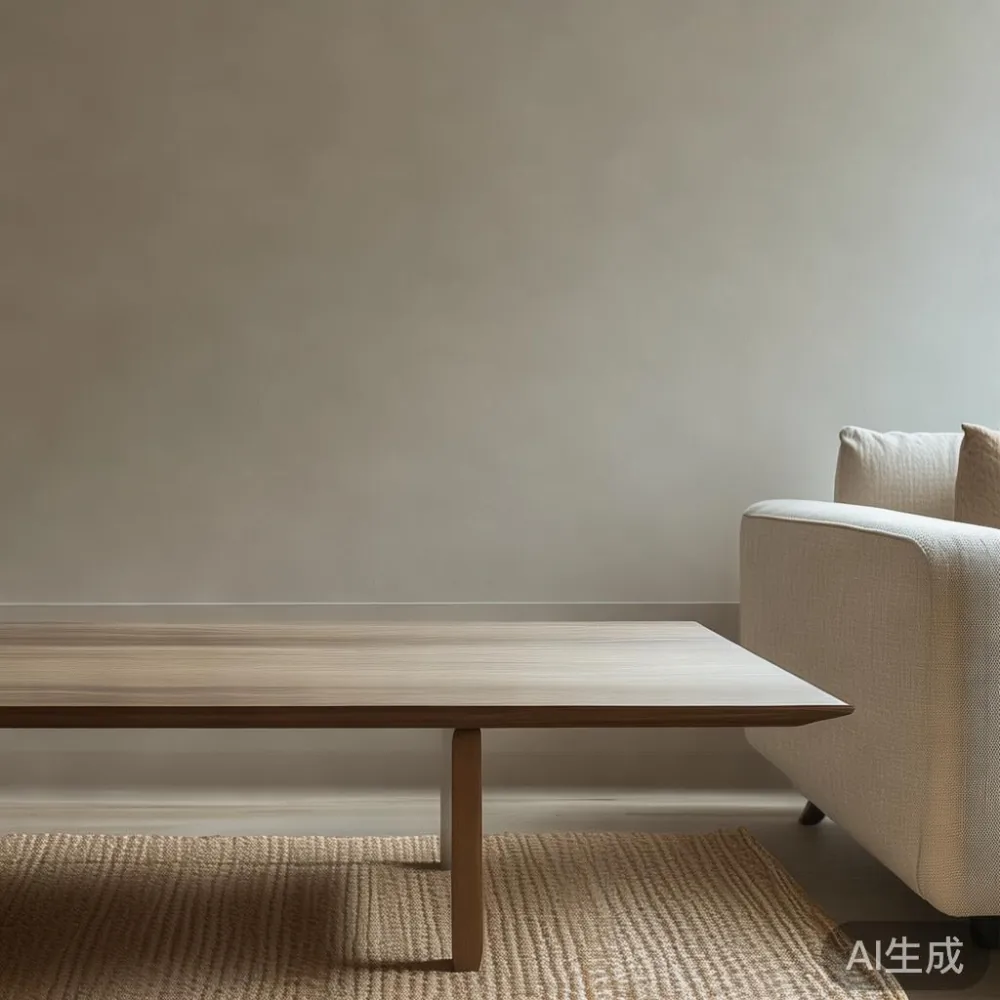
Singapore sits in a humid tropical zone where relative humidity rarely drops below 70% and regularly hits 90% in the late morning. For anyone who has just signed for a new BTO in Punggol, a resale HDB in Tampines, or a 1,200 sqft condo in the Novena area, this is the single biggest threat to a wood coffee table sg, a bed frame, or a dining table. Wood is hygroscopic — it drinks and breathes moisture from the surrounding air. Give it too much moisture and it swells, cups, and cracks. Cut the moisture too quickly with blasting air-con and it splits.
Why does Singapore's humidity break wood furniture so quickly?
Singapore's average relative humidity runs between 70% and 90% for most of the year, peaking during the two monsoon seasons (November to January and June to September). Solid wood furniture moves with that moisture: a 1.5 m dining table top can swell or shrink 3 to 5 mm across its width as humidity swings from 60% to 90%. Over a year, that movement adds up to visible cracks at the joints, sticking drawers on wardrobes, and warped coffee table tops.
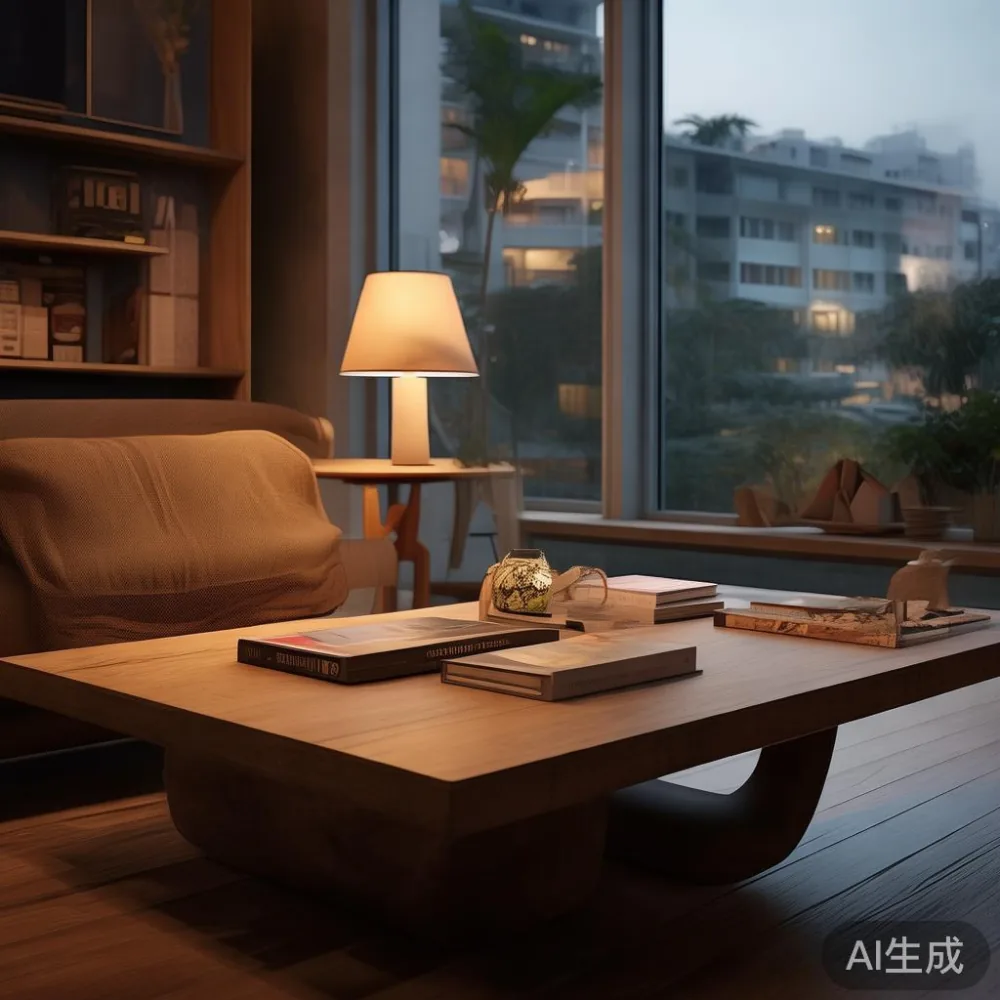
Last month I visited a client in a Punggol BTO who had placed an oak coffee table directly under a window unit air-conditioner. The face closest to the vent had dried out and split 4 mm along the grain within ten months. The opposite face was fine. That is a textbook case of uneven moisture exchange.
What wood species actually hold up to Singapore weather?
Not all wood reacts the same way. The species I trust most for this climate, ranked by dimensional stability, are:
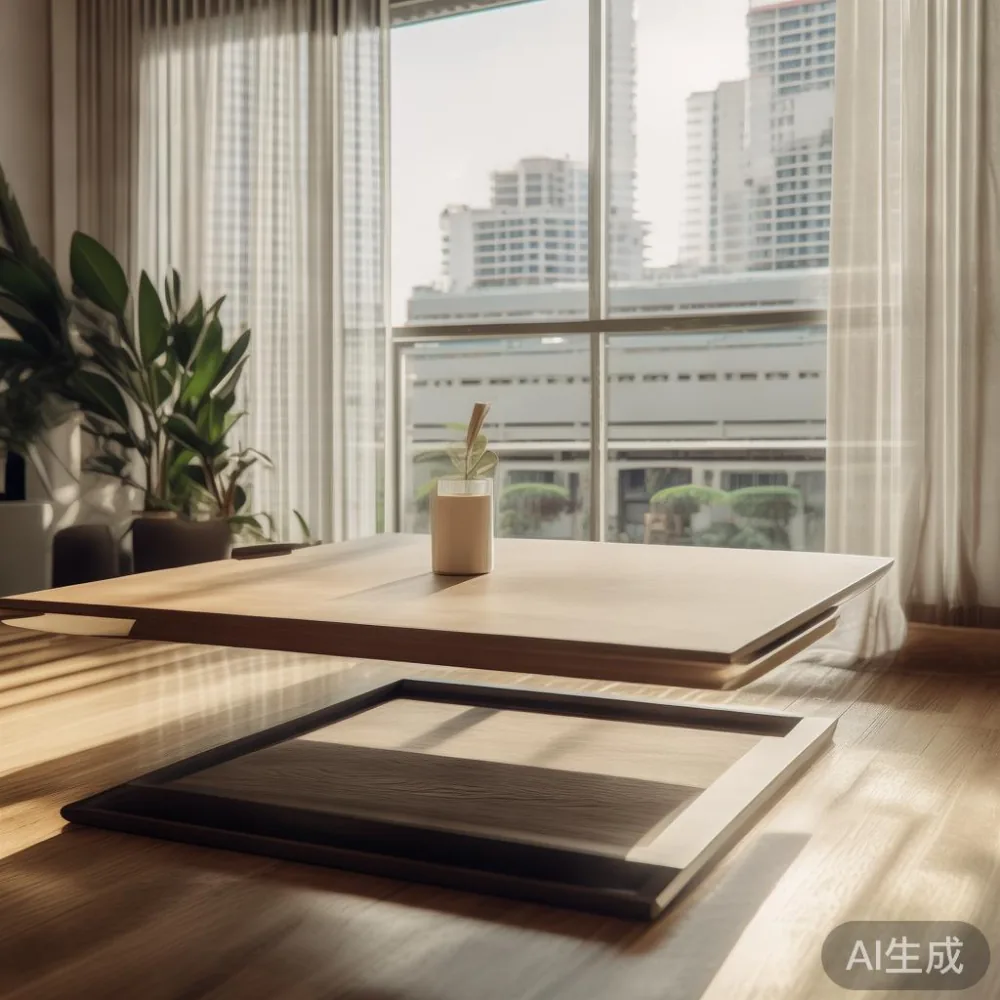
- Teak (Tectona grandis) — naturally oily, stable, and used in boats for centuries. Expect to pay SGD 1,800 to SGD 4,500 for a solid teak coffee table sg in a typical 110 x 60 cm size.
- White Oak (Quercus alba) — tight grain, but needs an enclosed room with controlled humidity. A solid oak dining table for four seats runs SGD 2,200 to SGD 5,800.
- Ash (Fraxinus americana) — slightly cheaper than oak, similar look, slightly more movement. SGD 1,600 to SGD 3,900 for a comparable dining table.
- Rubberwood (Hevea brasiliensis) — a local, sustainable choice that takes stain well but moves more than oak. A rubberwood bed frame in queen size lands around SGD 900 to SGD 1,800.
- Mango wood — popular for accent pieces and nightstands, but expect 4 to 6 mm seasonal movement on a 50 cm wide top.
Avoid MDF, particleboard, and hollow-core laminates for anything structural. They swell irreversibly once humidity penetrates the chipped core.
How do I choose a rattan furniture for a study?
Choose rattan furniture for a study by selecting solid rattan frames kiln-dried to 10 to 12% moisture content, with woven panels hand-tied (not stapled), and finishing it with at least two coats of marine-grade varnish so it survives Singapore's 70 to 90% humidity without going black or powdery within a year.
Rattan is technically a vine, not a wood, but it behaves the same way in our climate: it absorbs moisture, grows mildew, and eventually turns dusty grey if untreated. For a study, look for pieces under 60 cm wide so they pass through standard HDB doors (91 cm clear opening after the doorstop) and corridor turns (most corridors measure 1.2 to 1.5 m). Lift doors in newer condos are usually 80 cm wide, so anything larger needs to be a flat-pack or assembled in the room.
Last quarter, a colleague in a 4-room HDB in Bedok chose a rattan armchair with an aluminium inner frame. After eight months, the rattan was intact and the aluminium prevented the wobble you'd see on a pure rattan frame. That hybrid is worth the SGD 50 to SGD 120 premium over a full-rattan piece.
What does light luxury styling mean for a tropical climate?
Light luxury — whether French light luxury (think slim tapered legs, brushed brass pulls, stone tops), American light luxury (oiled walnut, oversized proportions, soft matte finishes), or post-modern light luxury (mixed materials, geometric legs, statement marble) — usually calls for solid wood bases paired with marble, glass, or fabric. In Singapore, that pairing needs to respect a few rules.
A marble top coffee table with a solid wood base looks stunning, but the marble top will feel cold (around 24 to 25°C in an air-conditioned room) and will sweat condensation if placed against a humid exterior wall. Keep marble pieces at least 15 cm from external walls and 30 cm from windows. The same rule applies to a fabric-upholstered post-modern solid wood fabric sofa — keep it out of direct sun and away from open windows, or the fabric will fade and the foam will hold moisture within six months.
For wardrobes in master bedrooms, American light luxury styling often means floor-to-ceiling solid walnut or white oak panels. In a 1,200 sqft condo, a 2.4 m tall wardrobe weighs between 180 and 260 kg. Check the floor loading: HDB flats allow 150 kg/m² for general areas, so a 2.4 m × 2.4 m wardrobe at 240 kg sits at about 42 kg/m² — well within limits, but delivery requires a 2.5 m vertical clearance in the lift, which most modern condo lifts provide.
How should you position a solid wood coffee table sg in a small HDB living room?
Position a solid wood coffee table sg at least 20 cm away from the air-conditioner vent, 30 cm from any window, and on a fully flat floor — never on a rug with a thick rubber backing — so air can circulate under all four sides and moisture exchange stays even.
A typical HDB living room in a 4-room flat measures roughly 4.2 m × 3.5 m, which leaves about 2.4 m of usable sofa-to-TV wall distance. A coffee table between 110 and 130 cm long, 55 to 65 cm wide, and 38 to 42 cm tall sits comfortably in that space. Anything longer than 140 cm starts to crowd the walking path to the kitchen or corridor.
For a Tampines or Punggol resale flat with a narrow corridor, the standard lift opening is 2.1 m high and the inside is roughly 1.5 m deep by 1.4 m wide. A flat-pack coffee table sg with legs detached will fit, but a fully assembled 130 × 65 cm piece won't always make the lift — measure first. MIDHILL ships flat-pack by default to homes above 350 USD (about 480 SGD), so most pieces clear the lift easily. Free assembly is offered for orders above 1,500 USD (about 2,050 SGD).
What's the right care routine for solid wood in a humid condo?
Aim for a 10-minute routine every two weeks: dust with a microfibre cloth (never a wet cloth), apply a thin coat of beeswax or hard wax oil every three months in air-conditioned rooms and every month in naturally ventilated rooms, and check joints and drawer runners for tightness every six months.
A digital hygrometer costs SGD 12 to SGD 25 from any Challenger or Harvey Norman outlet. Place it near your largest piece of solid wood — usually the dining table or wardrobe — and aim for a reading between 45% and 60% relative humidity. If your reading sits above 65% for more than a week, run a dehumidifier (a standard 12-litre Meaco or similar costs SGD 220 to SGD 380 and pulls roughly 1 to 2 litres per day in a 20 m² room).
For bed frames, dust the slats once a month and vacuum under the bed every fortnight — trapped humidity breeds dust mites and warps the slats within two years. A solid oak queen bed frame should last 12 to 20 years in Singapore with proper care. A solid teak dining table can easily outlast 25 years and be refinished twice. MIDHILL offers lifetime refinishing on every piece, which means scratches, watermarks, and sun fade can be sanded back and re-oiled for free — a real advantage over particleboard competitors.
Do nightstands and small pieces need the same treatment?
Yes. Nightstands are often the first casualty because they sit next to an open bathroom door, catch morning condensation, and rarely get moved. Treat them like a small version of your wardrobe: dust weekly, wax quarterly, keep 10 cm clearance from the wall behind.
A standard two-drawer solid wood nightstand (45 × 40 × 55 cm) weighs 12 to 18 kg depending on species. It will pass any HDB door easily and lifts in older blocks without issue. Expect to pay SGD 280 to SGD 650 for a solid teak or oak nightstand, and SGD 150 to SGD 320 for rubberwood. Marble-topped nightstands add SGD 80 to SGD 220 to that price, plus another 4 to 6 kg of weight.
What about delivery logistics in Singapore?
Standard delivery for furniture on the MIDHILL Singapore channel runs 14 to 21 working days from Foshan, free over US$350 (around SGD 480), with a 14-day return window and a 10-year structural warranty on every solid wood sofa frame, bed frame, dining table, wardrobe, and nightstand. Pieces arrive flat-packed with assembly hardware and printed instructions in English.
For HDBs built before 1990, the older 2.4 m × 1.6 m goods lift may not take a fully assembled wardrobe. Schedule a free site survey if your block predates the 1990s lift upgrade. For newer condos in Punggol or the Tampines North new town, lifts are typically 2.6 m × 1.5 m inside, which handles most flat-pack pieces directly. GST is calculated at checkout at 9%, and the total includes duty clearance — no surprise fees at the door.
Final checklist before you buy
Run through these eight points before paying a single dollar of your GST-inclusive bill:
- Species — confirm solid wood, not veneer over MDF. Ask for the kiln-dry certificate (target 8 to 12%).
- Finish — hard wax oil or marine-grade varnish, not lacquer over a thin sealer.
- Joinery — mortise-and-tenon or dovetail, not staples or biscuits alone.
- Warranty — minimum 5 years structural, ideally 10.
- Dimensions — measured against your lift, corridor, and doorway (use the 91 cm HDB door clear width as a baseline).
- Weight — checked against floor loading if placing a wardrobe on a suspended floor.
- Delivery — confirmed lead time, assembly included or not, and what happens if a piece fails inspection.
- Refinishing — free re-oiling or sanding offered, ideally lifetime.
Get these right and your solid wood furniture will outlast two or three lease cycles, two or three renovation rounds, and a good 15 to 25 years of Singapore humidity. Get them wrong and you will be replacing that coffee table again by the next Chinese New Year.