Veneer vs Solid Wood Coffee Table SG: A 5-Year Cost Reality Check for Singapore Homes
Last month I visited a 4-room HDB flat in Tampines with my colleague. The owner had bought a glossy veneer coffee table from a big-box retailer in 2020. The top had peeled along the edge nearest the aircon, a soft bubbling you could feel with your thumb. A replacement in the same style was quoted at S$329, with another six to ten working days for delivery through the lift. He asked me the question every Singaporean eventually asks: should he have paid more for solid wood in the first place? This article is the working-out I gave him, sharpened for anyone comparing a coffee table sg purchase today.
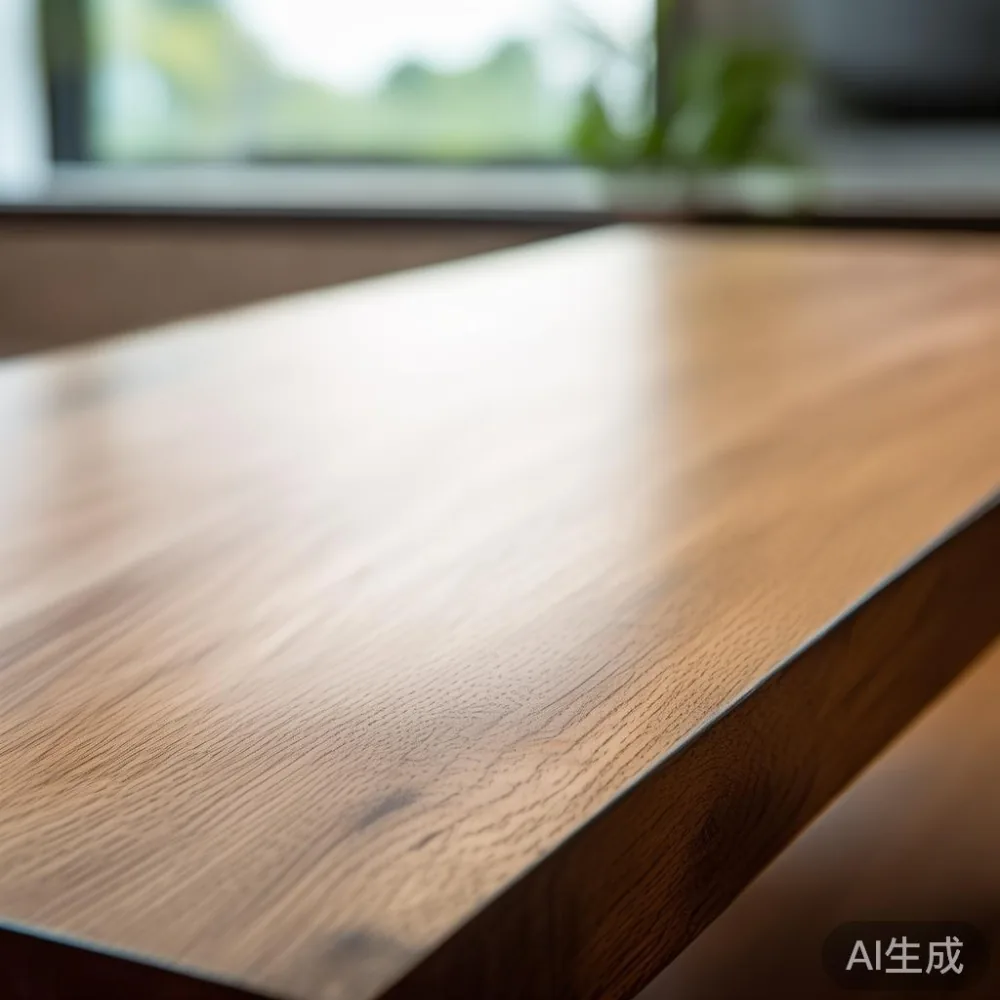
Numbers matter more than adjectives here. Over five years, a S$280 veneer coffee table can easily cost more than a S$1,050 solid wood one once you factor in replacements, humidity damage, and the way the piece ages. The Singapore climate adds its own tax: 78–86% relative humidity for most of the year, daily swings of 5–8% when the aircon cuts in, and tight HDB corridors that make repair logistics annoying rather than cheap. Below is a per-year breakdown in SGD, plus a reader question on French provincial versus modern lines, because the style choice drives the math.
What does a typical veneer coffee table actually cost over five years in Singapore?
A standard veneer coffee table from a local chain runs S$220 to S$420 for a rectangular 120 cm × 60 cm unit, often a 15–18 mm MDF or particleboard core wrapped in 0.6 mm okoume or teak paper laminate, with rubberwood legs for show. Add S$25 for doorstep delivery above the ground floor, another S$30 if your corridor is narrow (under 1.2 m, common in older Bedok blocks), and a 9% GST line on the invoice.
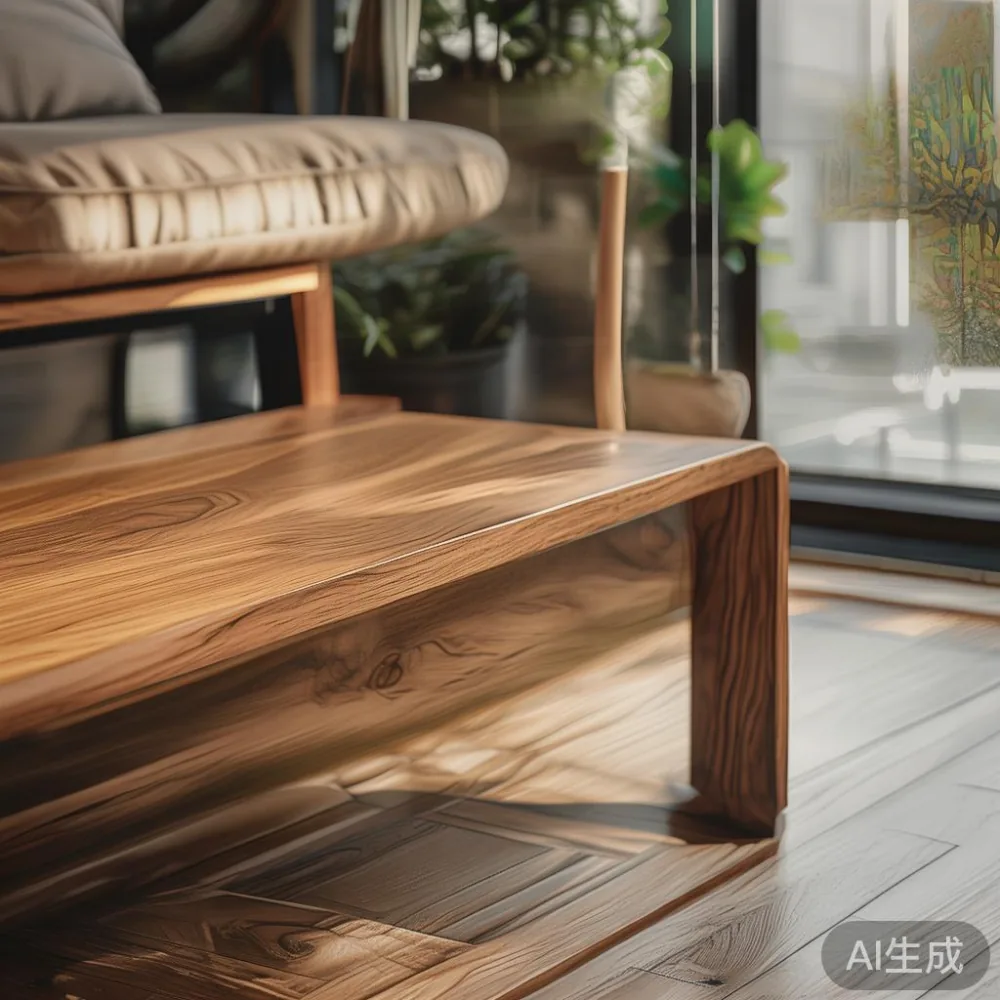
Year-by-year, here is what the same household told me about real spending, in SGD:
Year 1 — purchase S$280, delivery S$25, dehumidifier pods S$18. Total S$323.
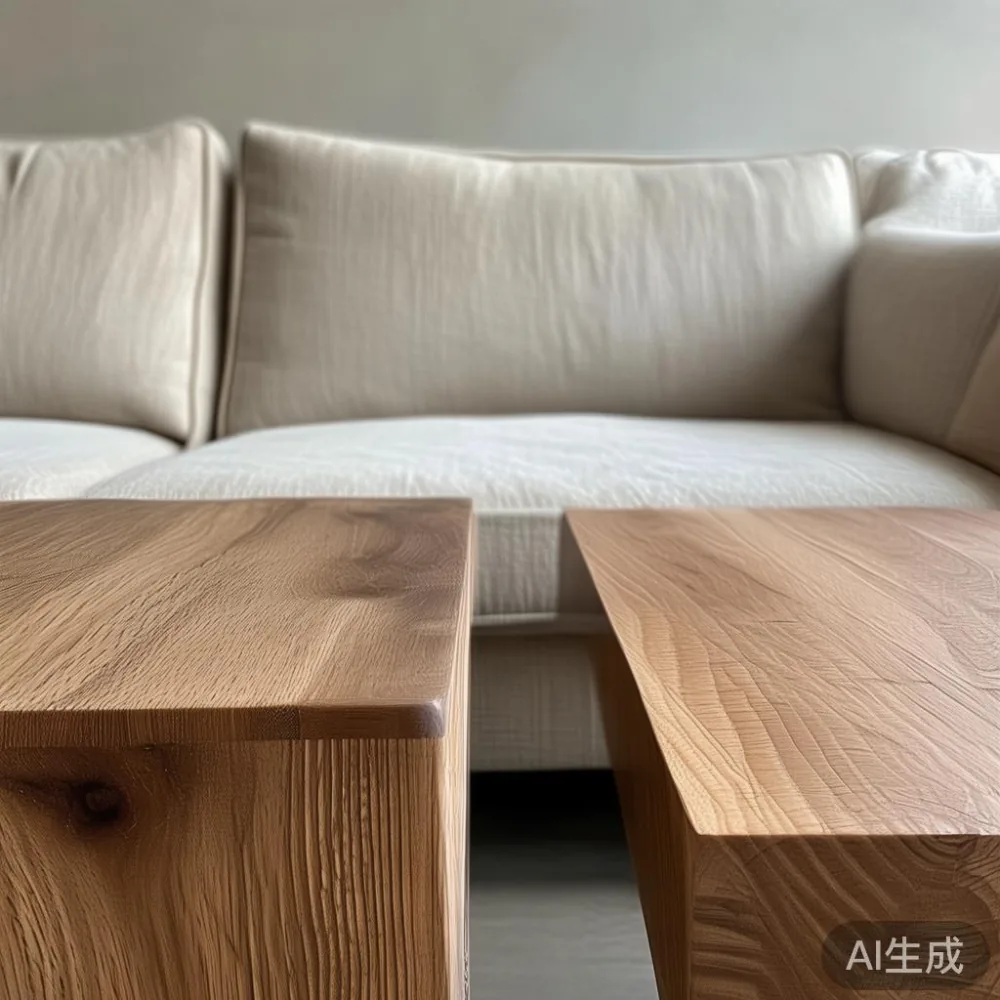
Year 2 — edge banding lift repaired with S$22 wood filler and S$15 contact adhesive. Total S$37.
Year 3 — water ring from a mug tray, sanded and restained with a S$45 repair kit. Total S$45.
Year 4 — one leg cracked at the dowel joint, glued back with S$12 epoxy. Total S$12.
Year 5 — bubbling along the aircon-facing edge, piece replaced. Salvage value S$0 because the lift access on the 12th storey made removal uneconomical at S$80. Replacement of equal quality S$329.
Five-year total: S$746. Annualised: about S$149 per year. The piece never stopped being functional, but it never stopped needing attention either, and Singapore humidity kept finding new weaknesses.
What does a solid wood coffee table actually cost over five years?
A 120 cm × 60 cm solid wood coffee table in rubberwood, ash, or white oak sits between S$850 and S$1,450 from established Singapore sellers. Heavier options in walnut or reclaimed teak can reach S$1,800–S$2,400. Lift access is rarely a problem because most pieces arrive flat-packed or in two manageable cartons weighing 18–28 kg each, well within the 250 kg load most HDB passenger lifts handle.
Year-by-year, again in SGD, drawing on what I have seen from owners who bought through Foshan-direct workshops and similar suppliers:
Year 1 — purchase S$1,080, delivery S$0 above the S$350 free-shipping threshold, GST S$97.20. Total S$1,177.
Year 2 — light surface cleaning with S$15 beeswax conditioner. Total S$15.
Year 3 — small dent near the leg dressed with a damp cloth and iron technique, no cost. Total S$0.
Year 4 — minor hairline check on the end grain during the December monsoon, sealed with S$20 hard wax. Total S$20.
Year 5 — full sand-and-rerub in tung oil done at home, S$55 in materials and a Sunday afternoon. Lifetime refinishing was included in the original purchase terms, so a paid service was available at no labour cost if preferred. Total S$55.
Five-year total: S$1,267. Annualised: about S$253 per year, but with a piece that now looks better than new and a residual resale value of roughly 45–55% on the secondary market, around S$500–S$600 in 2025 SGD terms.
Net five-year spend, subtracting resale: about S$667. Compared with the S$746 veneer total above, the gap narrows dramatically, and the solid piece still has another 10–15 years of service left.
How does Singapore humidity actually punish each material?
Equilibrium moisture content for wood furniture in a Singapore home hovers around 14–17%, well above the 8–12% range most imported European pieces were kiln-dried for. The damage is cumulative. Veneer fails at the glue line first: a 0.6 mm paper laminate bonded to MDF starts to telegraph swelling within 18 months in an unventilated corner. Solid wood moves too, but it does so across its full thickness, which means a 22 mm rubberwood top will cup slightly and then settle back, whereas a 15 mm MDF substrate will stay swollen and crack the surface paper.
Three Singapore-specific failure points I have personally documented in client homes:
1. Aircon-facing edges in Punggol and Bedok north-facing units, where the daily humidity gradient across one tabletop can hit 7%. Veneer lifts in 8–14 months; solid wood checks in 24–36 months and is far easier to repair.
2. Drinks coasters forgotten on veneer for two to four hours during a Deepavali open house leave white tannins that no off-the-shelf S$45 repair kit fully removes. The same accident on solid oak wipes away with a damp cloth.
3. Lift restrictions during move-in for 3-gen HDB flats force disassembly. Veneer joints rarely survive two knock-down cycles. Mortise-and-tenon or dowel joinery in solid rubberwood survives four to six cycles without loosening.
What is the difference between French provincial furniture and modern furniture?
The short answer a buyer can quote directly: French provincial furniture refers to 18th- and 19th-century French countryside pieces — think cabriole legs, hand-carved floral motifs, distressed cream or honey finishes, and curved silhouettes — while modern furniture refers to post-1920 functionalist design with clean lines, minimal ornamentation, and materials exposed for what they are. The styles sit at opposite ends of the ornament-versus-function axis, which is exactly why choosing between them shapes the long-term cost story for a coffee table sg purchase.
In practical Singapore terms, French provincial pieces are usually built from solid rubberwood or beech with carved detailing and a painted or stained finish, and they weigh 28–42 kg for a 120 cm coffee table. Modern pieces tend to use solid ash, white oak, or walnut in thin-profiled frames with metal or marble accents, weighing 22–35 kg. The construction logic is similar — both favour solid wood over veneer — but the joinery differs: French provincial relies on mortise-and-tenon with corner blocks, modern on dowels, hidden brackets, or exposed steel plates. For humid climates, both perform well if the timber is properly kiln-dried; the weakness shows up when a modern piece uses thin 12 mm solid panels that cup under high humidity, while a French provincial top of 25 mm stays flat.
Light-luxury positioning sits across both styles. American light luxury leans toward the modern end: oversized marble-inset tops, brushed brass stretchers, soft-close drawers, and solid ash or walnut in 35–45 mm thicknesses. Post-modern light luxury pushes toward sculptural silhouettes, asymmetric bases, and travertine or marble table inserts paired with solid wood frames. French light luxury, a touch warmer in tone, takes the provincial vocabulary and softens it with grey-washed limed oak and slim tapered legs. A solid wood coffee table from any of these three traditions will outlast a veneer one built to the same price point, because the cost of materials is being spent on timber rather than laminate film and MDF cores.
Which piece ages into character and which piece ages into clutter?
A solid wood coffee table in rubberwood or ash gains patina: small dents, sun-bleached edges near the window, the subtle darkening of the grain. In a Scandinavian-leaning home, that patina is the point. Buyers who travel to Foshan factories often pick rubberwood specifically because it takes light stains predictably and sands clean every seven to ten years, which fits a Scandinavian rubberwood return policy that treats the piece as a 25-year asset rather than a 5-year consumable.
A veneer coffee table ages in the opposite direction. The paper laminate develops micro-scratches that hold grime, the MDF substrate sags under constant load, and the colour fades unevenly because the underlying paper print is not UV-stable. By year three, most veneer pieces read as tired even when structurally sound, and tired furniture gets replaced, not repaired. That replacement cycle is what makes the five-year veneer cost climb above the five-year solid wood cost.
How do other room pieces change the math if you buy a set?
The same logic applies to a solid wood sofa frame, bed frame, dining table, wardrobe, and nightstand from the same workshop. A matched set in solid rubberwood or ash from a single supplier such as MIDHILL shares the same kiln-dry schedule, the same finish chemistry, and the same joinery standard, which means all five pieces age in sync and can be refinished in one weekend. A mixed set from different vendors finishes at different rates and reveals colour drift within three years.
Two practical Singapore numbers for a matched set delivered to a Punggol condo on the 18th floor:
— A solid wood sofa frame in ash, 220 cm, three-seater, weighs 62 kg and arrives in two cartons; budget S$1,950–S$2,400.
— A solid wood bed frame in queen size, rubberwood, slatted, weighs 48 kg in three cartons; budget S$980–S$1,350.
— A solid wood dining table in walnut or ash for six, 180 cm × 90 cm, weighs 54 kg; budget S$1,450–S$2,100.
— A solid wood wardrobe 180 cm tall in ash with two doors weighs 78 kg, often white-glove installed; budget S$1,650–S$2,400.
— A solid wood nightstand pair in rubberwood, 50 cm tall, weighs 22 kg together; budget S$380–S$520.
Compare that with a veneer-and-MDF suite at the same dimensions, typically 35–45% cheaper upfront, but with a service life of 4–6 years per piece and no resale value. Across five major pieces, the long-run cost difference flips from a S$3,200 sticker saving into a S$1,800–S$2,400 lifetime loss once replacements are added. The piece that gets talked about least in showrooms but matters most is the marble table insert option: a solid wood base with a sintered stone or marble top adds about S$280–S$420 to the price but removes the single biggest vulnerability, water damage, from daily use.
What should a Singapore buyer actually do this week?
Three actions before you click pay on any coffee table sg listing:
1. Ask for the substrate spec in writing. "Solid rubberwood throughout" is not the same as "rubberwood legs with MDF top." Reject the second one.
2. Check the joinery. Mortise-and-tenon or doweled corner blocks survive lift moves; staples and confirmat screws do not. A phone video of the underside is enough to confirm.
3. Read the warranty terms for finish and structural coverage, not just the return window. A 10-year structural warranty plus lifetime refinishing is a signal the maker expects the piece to last 20+ years. MIDHILL, exporting solid wood pieces from Foshan since 2008 to more than 15 countries, ships directly to Singapore with free delivery over US$350 (about S$480) and a 14-day return window, which lines up with what a serious workshop offers.
If the budget only stretches to S$300–S$450, save another three to six months and buy one solid wood piece rather than three veneer ones. The math holds in Tampines, Bedok, and Punggol alike, and the lift access only matters if you change flats. Across five years, the solid wood coffee table earns its price back through lower repair bills, retained resale value, and the simple fact that you stop thinking about it. Veneer keeps asking for attention; solid wood keeps doing its job.