Solid Wood Price Dynamics: Understanding Costs in Singapore
Solid wood furniture is often sold on the strength of photographs, finish names and broad claims such as “heirloom quality”. The actual price is shaped by more measurable factors: timber species and grade, board dimensions, construction, hardware, finishing, packaging and delivery. For households in Singapore, those numbers matter even more because an HDB flat, a Tampines condo or a Bedok walk-up leaves little room for oversizing or complicated doorstep delivery.

This guide explains those cost drivers using a coffee table sg comparison as the central example. It also considers a solid wood sofa, bed frame, dining table, wardrobe, nightstand and marble table, so the price logic can be applied across a home rather than to one isolated product.
Is a solid wood coffee table expensive because of the timber?
Yes, but timber is only one part of the invoice. The same wood can carry several prices depending on how it was cut, dried, graded and used. A coffee table made from 20 mm boards usually contains more material than one built with 18 mm components, but board thickness alone does not reveal whether the timber is solid, finger-jointed, veneered or engineered.
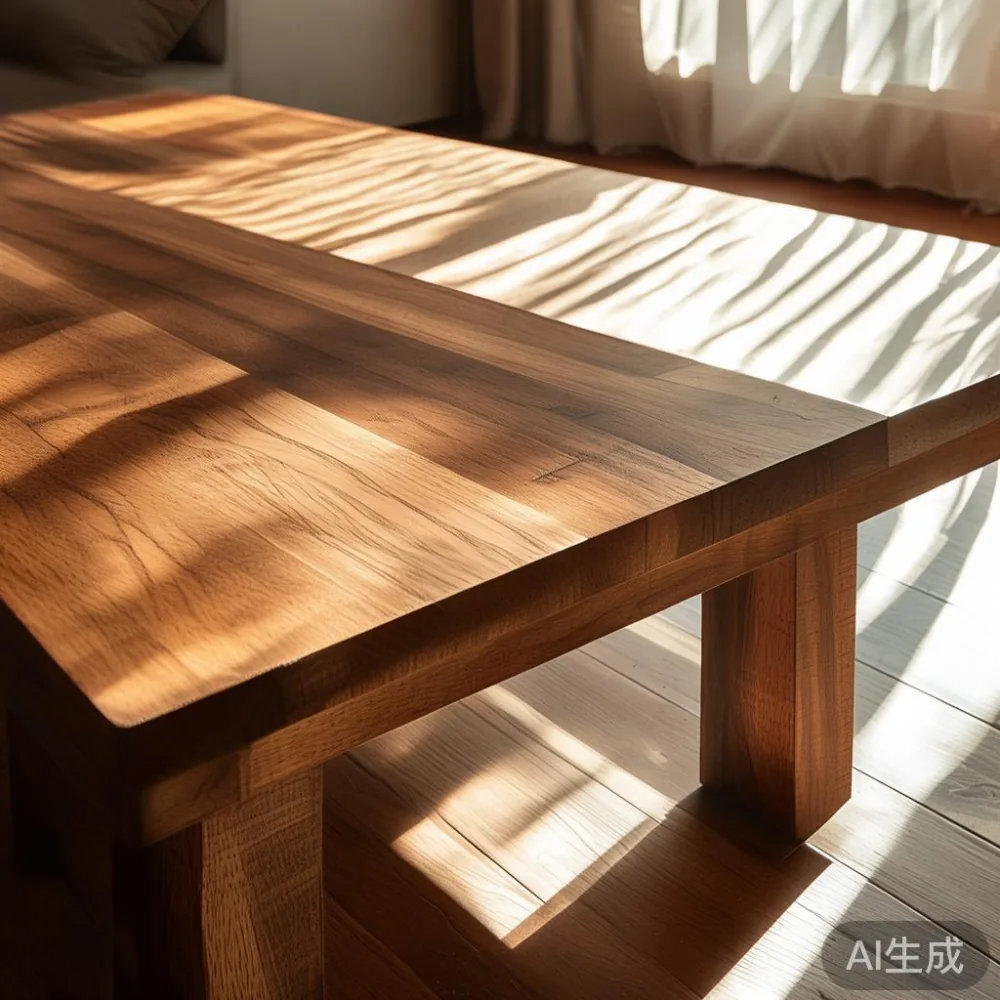
Species has a direct effect. American walnut, white oak, ash and teak generally command different base prices because of availability, yield, colour and grain consistency. Lower-priced hardwoods and carefully graded mixed timbers can still produce good furniture, but they should not be presented as equivalent to slow-growing solid walnut in every respect.
Grade is another dividing line. Select-grade timber with fewer knots, tighter grain and more even colour can cost more than character-grade timber that displays knots and stronger natural variation. Shoppers should be able to request the actual wood species, nominal thickness, moisture range and any solid-wood construction details. A clear specification of 20 mm solid rubberwood, for example, is more useful than a label that simply says “solid wood”.
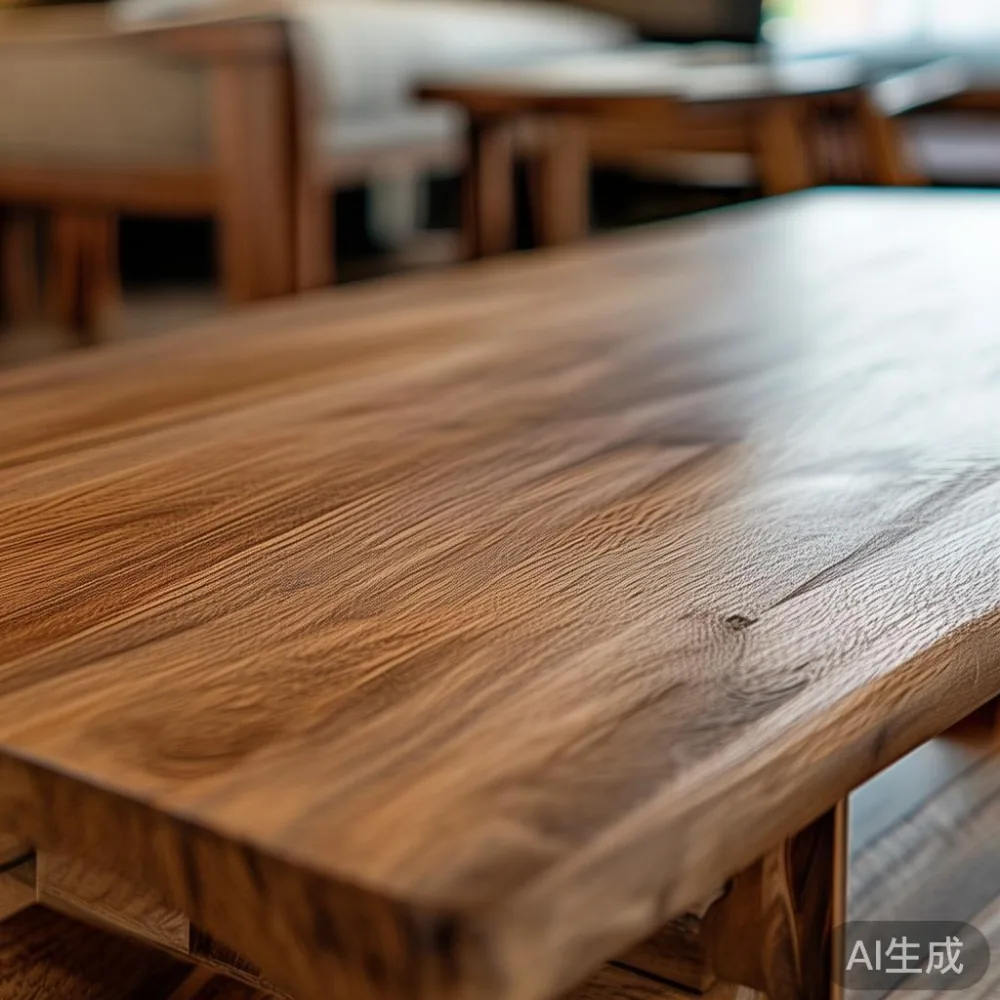
For a coffee table sg, a typical retail price might range from SGD 180 for a compact 80 cm solid-wood design to SGD 980 or more for a 120 cm solid-walnut table with hand-finished edges. Width, material and detailing explain most of that gap. Discounting the timber category without checking the rest of the specification can produce a misleading comparison.
What does board thickness and construction cost in Singapore homes?
<Material cost is multiplied by construction. A sturdy table may use solid-wood aprons, mortise-and-tenon joints and a lower shelf rather than a hollow frame with printed fibreboard panels. Dovetails, bridle joints and dowelled corner assemblies take more machine time and skilled checking than simple dowel and cam fittings. None is automatically superior in every application, but more labour and timber generally raise the price.
Consider a 110 × 55 cm coffee table sg. If the top uses 20 mm solid wood, has 65 mm aprons and four tapered legs, the material bill may be 35–50% of the finished product cost. Joinery, sanding, finishing, hardware, packaging and overhead then make up the remainder. A similarly sized table with a thinner top, particleboard lower shelf and concealed metal fasteners can be lighter by 8–15 kg and less expensive to manufacture.
Weight matters in local logistics. A 42 kg coffee table needs two people and a suitable trolley through corridors, stairwells and lift lobbies. A 28 kg model is easier to manoeuvre. Check the doorway width before purchase: common HDB access doors measure about 82–86 cm, while narrow condominium service corridors can be around 70–90 cm. Lifts may have internal dimensions near 100 × 110 cm, but older blocks and turning corners can restrict the route.
The practical question is not simply whether a piece is heavy. It is whether the construction is proportionate to its use and whether the delivered dimensions fit the actual route. A 120 cm table may require turning it on its side; a boxed unit 125 × 65 × 42 cm can be difficult to angle inside a lift. Accurate carton dimensions are more informative than a marketing image of the table alone.
Why do finish, colour and hardware change the final price?
Finishing adds visible value and measurable labour. A water-based matte coating, oil-wax finish or low-sheen lacquer requires preparation: sanding through several grits, sealing, drying and applying additional coats. A high-gloss French light luxury finish can demand more careful surface correction because small marks become more obvious. Hand-applied finishes take longer than standard spray schedules, particularly on shaped edges and carved details.
At MIDHILL, the finish should be described by system and expected appearance rather than vague luxury language. Ask whether the surface is water-based, how it handles water rings, and whether refinishing is available. A clear care schedule matters more than a fashionable finish name. One owner may accept patina and minor marks; another may prefer a more uniform surface that can be spot-repaired.
Hardware can be a quiet but substantial cost. A solid wood bed frame may use wooden support slats, centre legs and dowelled joints rather than a metal frame with many separate springs. A wardrobe can include soft-close hinges, adjustable shelves and drawer runners. A nightstand may use solid-wood drawer boxes instead of thin fibreboard boxes. Premium hinges and runners are not decorative extras: they affect motion, alignment and long-term use.
For a marble table, the price also reflects stone selection and fabrication. A 100 cm rectangular table in marble may weigh roughly 70–110 kg depending on thickness and density. Seams, edge profiles, cut-outs and reinforcement around a cabinet or base add labour. Natural stone also varies in veining, so two tables from the same named material should not be assumed to look identical. This is where a marble table can become more expensive than a comparable solid-wood coffee table even when its footprint is smaller.
How much should quality, warranty and service add to a furniture price?
Quality assurance has a cost, although it should appear as evidence rather than as a slogan. Useful evidence includes kiln-moisture control below approximately 12–15%, a written structural warranty, replaceable components and clear care instructions. It also includes realistic weight and dimension information. A supplier that confirms whether a piece is knock-down, flat-packed or delivered assembled has already considered transport, installation and returns.
MIDHILL was established in 2008 and provides a 10-year structural warranty, which makes duration an important part of the price equation. Warranty terms should define what is covered: frame failure, joint loosening and certain structural defects are different from ordinary colour change, surface wear or damage from improper storage. A 10-year structural warranty can support a higher initial price because the maker carries longer-term responsibility, but only if the claim process is clear.
Lifetime refinishing is another service-based value. It can reduce the effective cost of ownership for a dining table or wardrobe that remains in the home for 15–25 years. It does not mean every accidental scratch is repaired free. Confirm whether labour, return transport and new finish materials are included. A cabinet expected to be moved 3 times during a tenancy may receive less benefit than a dining table kept in one place.
Price comparison becomes easier when the buyer calculates cost per year of anticipated use. A SGD 720 coffee table used for five years represents SGD 144 per year before maintenance; a SGD 360 table used for five years represents SGD 72. Neither figure predicts durability on its own, but it prevents a large upfront number from hiding a sensible long-term purchase.
Do local delivery, GST and returns change what you really pay?
Yes. Singapore prices can move by 9% because GST applies to most furniture sales, so a SGD 1,000 item before tax becomes SGD 1,090 for the consumer. Delivery may be included, charged by distance, or calculated separately if the address is outside the supplier’s normal coverage. Installation, lifting above the second floor, narrow-corridor handling and old-item disposal should be itemised.
Transit timing also affects cost. A stock item may be dispatched within 3–7 working days, while a made-to-order dining table or wardrobe can require 30–60 days. Custom sizing may extend the schedule by another 7–14 days. Remote-area delivery to Punggol may involve a different route and vehicle requirement from a central Tampines or Bedok address, so shoppers should confirm both the date and the total landed price.
Returns affect the risk attached to buying online. A 14-day return policy gives buyers time to inspect dimensions and finish, but the item must usually be unused, protected and in its original packaging. Someone who has ordered a coffee table sg from a showroom drawing should verify that the retailer accepts custom orders, since made-to-finish pieces may be excluded. Request photographs of the packed table and retain the foam, cartons and corner protectors for at least 7 days after delivery.
When comparing an Italian light luxury wardrobe at SGD 2,880 with a locally manufactured solid-wood wardrobe at SGD 1,780, account for what each includes: tax, delivery, installation, hardware, warranty and after-sales care. The more expensive option may still offer better value if it includes coordinated hinges, reproducible finishes and a clear service process. The cheaper option offers less risk only when its construction and support are equally transparent.
What should I compare between a solid wood sofa and a Nordic sofa?
For upholstered furniture, the decisive costs sit inside the frame and filling. When comparing American sofa vs Nordic sofa, look beyond silhouette and leg style. An American sofa may use a kiln-dried hardwood frame, wider seat components and substantial foam density; a Nordic sofa may use a simpler engineered frame with a more restrained material specification. Both approaches can suit a light-luxury interior, but they should not be judged by the same category label.
The same discipline applies to American sofa vs Italian light luxury sofa. Italian light luxury often refers to refined proportions, close seams, sculptural arms or premium upholstery rather than a single construction standard. The comparison becomes useful when dimensions, frame material, foam specification, cover removability and warranty are listed side by side. The phrase is light luxury sofa worth it is usually answered by the owner’s priorities: a low-profile statement piece, daily family durability, cleanability and repairability.
For beds, a light luxury bed vs Nordic bed comparison often starts with proportions and finishes, then turns to support. A solid wood bed frame with 8–12 support slats, a centre rail and solid-wood legs may cost more than a visually similar frame made mainly in metal. Confirm the mattress size, maximum recommended weight, slat spacing and headboard clearance. A bed frame that measures 190 cm long may need more corridor turning space than the mattress size alone suggests.
For buyers searching for sale French furniture, style can be deceptively broad. French-inspired forms may use carved details, shaped aprons and distressed finishes, while post-modern light luxury may use cleaner geometry, mixed materials and restrained ornament. The visual result matters, but so do timber volume, joinery and finishing hours. A simpler form can cost more when every visible edge is carefully machined and finished.
How do I read a quotation without comparing unlike products?
Use a fixed specification sheet. For the product being considered, record dimensions in cm, solid-wood species, panel thickness, frame construction, finish, hardware, assembled weight, carton dimensions, delivery days, GST, warranty and return conditions. Keep one spreadsheet row per quotation. This exposes differences that category names conceal.
For a dining table, ask about extension mechanisms, leaf material and the number of diners. A 160 cm table seating 6 may use 2 stored 40 cm leaves, making the closed size 160 cm and the open size 240 cm. A 200 cm table seating 8 may be structurally heavier but leave more space once extended. The price should reflect usable expansion, not simply a dramatic open-table photograph.
For a wardrobe, compare internal widths, hanging lengths, shelf load, drawer construction and wall anchoring. A 180 cm wardrobe may include 120 cm of hanging space, six adjustable shelves and two soft-close drawers. Check whether mirrored doors are tempered safety glass and whether anti-tip fixings are included. For a nightstand, compare drawer travel, handle projection and wall clearance; a unit that looks compact can require 5 cm of space for a drawer to open fully.
There is also a practical test: ask the retailer to explain the quote in plain language. If a salesperson cannot state the wood species, board thickness or delivery constraints, the apparent saving may simply hide a less demanding specification. MIDHILL can be contacted at midhillco@gmail.com for project drawings, finish samples or a quotation based on exact dimensions.
What did I learn after visiting a Singapore furniture workshop?
Last month I visited a furniture workshop and followed a coffee table from rough boards to the final carton. The raw timber appeared affordable on a per-cubic-metre basis, yet it became only one line in the final cost. Drying, defect removal, cutting, moulding, joinery, sanding, coating and packing took most of the schedule. A single heavily curved apron that looked effortless in a showroom photo required nearly 3 hours of shaping and hand correction.
The visit also changed how I read weight. The finished coffee table weighed 38 kg and its carton measured 124 × 66 × 45 cm. A crew of two could move it through a standard lift, but a 90 cm doorway demanded careful turning. The lighter display model weighed 27 kg, yet its 12 mm shelves and shorter aprons accounted for a meaningful share of the material difference.
That experience reinforced a simple rule: compare delivered specifications, not showroom impressions. Verify dimensions against the route from the lift to the living room, include GST and delivery in the total, and check the warranty in writing. A coffee table sg purchase becomes easier to assess when the price corresponds to visible materials, documented construction and a service commitment that will still be available several years after delivery.