Understanding Solid Wood Coffee Table Prices in Singapore
Solid wood furniture can vary by several thousand dollars while looking similar in a showroom catalogue. The difference may come down to 4 cm of board thickness, a harder timber species, one concealed joint, or a finish applied in 5 thin coats. In Singapore, a coffee table sg quote can also change after delivery conditions are checked because a sofa may need to travel through a lift lobby narrower than 110 cm.
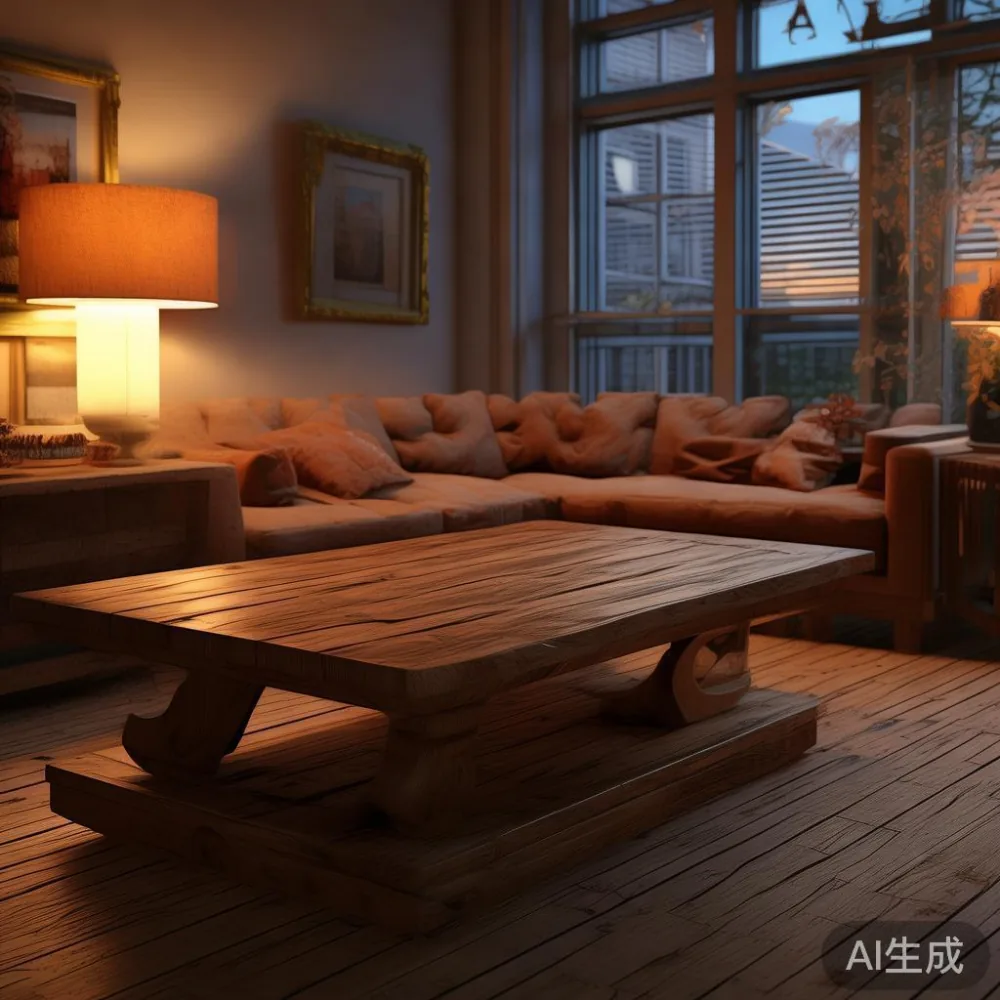
This guide explains the factors that genuinely affect price, using common dimensions, weights, delivery routes and costs. It applies to solid wood sofas, bed frames, dining tables, wardrobes and nightstands, whether made for an HDB flat in Tampines or a condominium in Punggol. Prices are shown in SGD and include GST where the final purchase would be subject to Singapore GST.
What actually drives the price of a solid wood coffee table?
The timber category is usually the first price driver, but the label “solid wood” covers many materials. A 120 × 60 cm coffee table made with rubberwood may cost SGD 520 before GST, while a similar design in white oak can reach SGD 1,680. Kiln-dried oak has stronger dimensional stability than lower-cost timber, and its grain creates a different visual value. Cherry, walnut and other decorative hardwoods can command still higher prices.
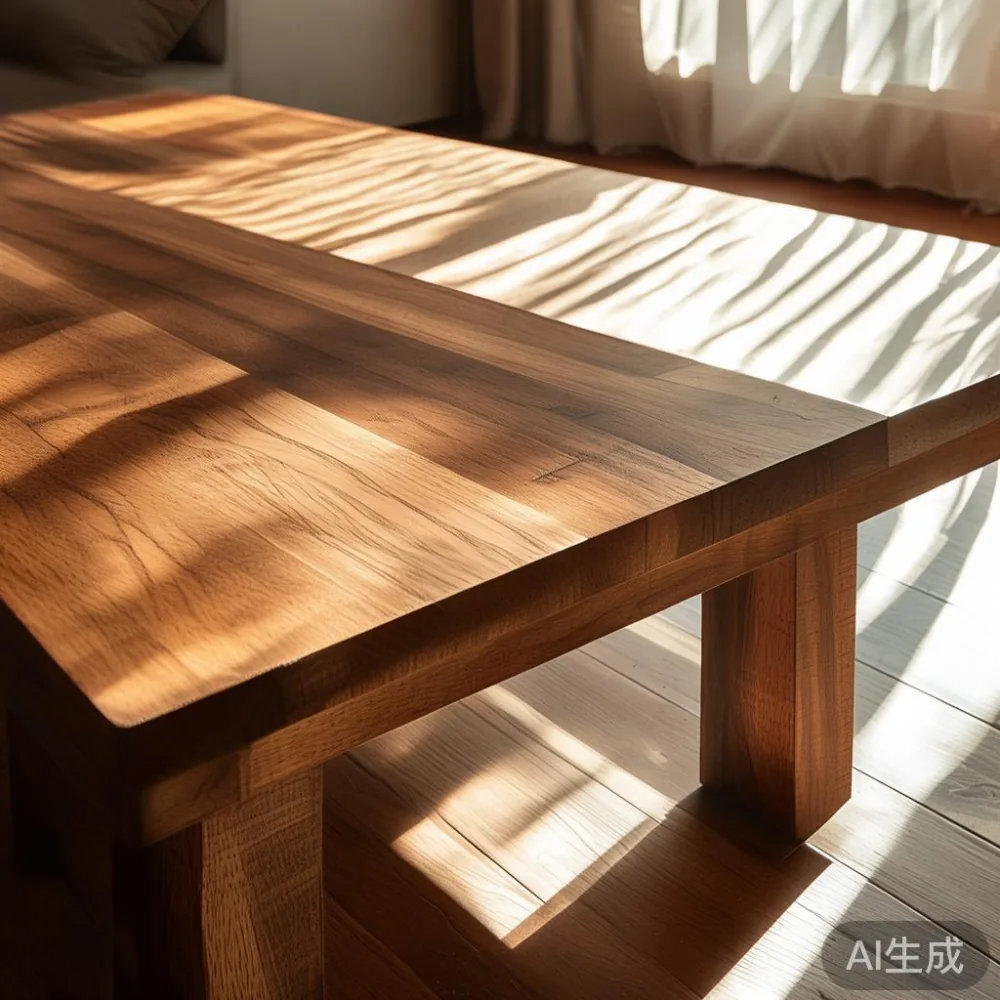
Board thickness matters just as much. A 20 mm top can be suitable for occasional use, but a 25-30 mm top has more mass, less edge deflection and a more substantial appearance. Thick solid timber also takes more cutting, sanding and finishing time. The legs are another hidden factor: tapered legs require templates and more machining than simple square legs, while turned or angled components increase labour.
Construction affects the price more than decorative details. Mortise-and-tenon joints, dowels, screws concealed from view and properly glued joints require more preparation than a frame held together only with short screws. Drawer boxes with solid wood sides, dovetail corners and a 12-15 mm bottom contribute more than a visible front panel. A marble table introduces another cost layer because the stone slab, its support frame, weight and breakage risk all have to be accounted for.
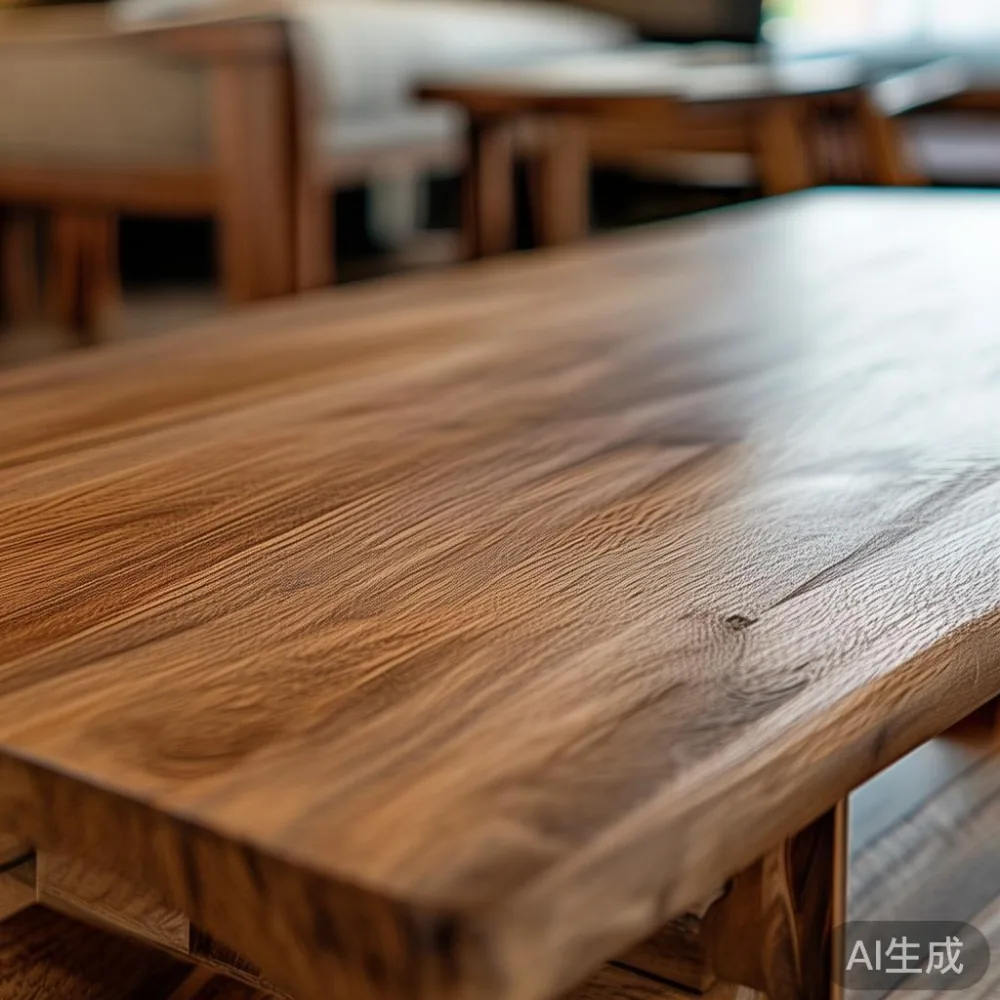
Finishing should be itemised. A water-based coating may cost SGD 25-45 per square metre of surface, while a multi-layer oil, stain and hard-wax finish can range from SGD 55-130 per square metre. A matte result can require additional sanding and repair steps. Ask whether touch-up colour is included, because a household with children or pets will generate small marks over time.
Last month I visited a Singapore showroom where two 110 cm bedside tables carried price tags only SGD 48 apart. The lower one had 18 mm legs, particleboard drawer bottoms and a spray finish. The other had 25 mm legs, solid drawer boxes and hand-rubbed edges. That small comparison showed why a label such as “solid wood” alone cannot explain value.
Why does solid wood cost more than MDF or veneer?
Solid wood is cut into structural or decorative pieces rather than formed from bonded fibres. The material carries natural variation, and each board must be selected, oriented and matched. A veneer may place an attractive oak pattern over an engineered base, making it practical for selected applications, while solid timber remains valuable for a bed frame, dining table or wardrobe that needs strength and repairability.
The supply chain starts with timber. Some woods are less abundant, require longer drying periods or travel farther. Moisture control can take 2-8 weeks in a kiln, although premium suppliers may hold stock for longer. Moisture near 8-12% is commonly considered workable for many indoor furniture applications, but the exact target depends on the species and factory process. Stable indoor conditions matter in Singapore, where humidity can shift through the year.
Processing adds predictable costs. A machine may cut several pieces per hour, but shaping a curved apron, carving a moulding or matching grain can take much longer. CNC routing speeds repeat production, yet it does not remove sanding, edge treatment, assembly or inspection. A dining table with a 220 × 100 cm top may weigh 55-85 kg before finish, while a solid wood sofa frame may weigh 35-70 kg. Material used in a 2.2 m top must be valued accordingly.
Waste matters too. Logs are not rectangular. A top requiring wide, matched boards may leave offcuts from the same log. Those losses are reflected in the selling price. A factory with efficient cutting plans and dependable stock can control this better than a seller who buys retail boards in small quantities.
For buyers comparing for sale Scandinavian furniture, style can be light or restrained, but the timber remains a physical input. Pale ash, oak and beech create the familiar pale appearance, while warmer walnut tones change the species and cost base. Check the underside, drawer interiors and back panels rather than judging only the display finish.
Is a heavier piece of furniture automatically more expensive?
No. Weight is a useful clue, not a price formula. Added mass can indicate a thicker top or denser timber, but it may also reveal inefficient design. A dining table weighing 85 kg might use a thick apron and duplicated supports; a table weighing 52 kg may be well engineered and just as durable. The relevant questions are board thickness, joinery, span, finish and load expectations.
A coffee table sg buyer should look at clearance under the top. A design with a 25 mm top, tapered legs and a 380 mm internal gap feels visually lighter than a boxy table with a 20 mm top and thick side panels. French light luxury often uses generous proportions and clean profiles, while American light luxury commonly combines substantial forms with metal or stone accents. Post-modern light luxury may add asymmetry or mixed materials, yet those choices affect fabrication rather than automatically indicating higher quality.
Weight still affects delivery. A 68 kg table in a lift with an internal door width of 90 cm may need to be partly disassembled. Singapore service lifts often measure about 90-110 cm wide and 140-200 cm deep, although older HDB blocks and condo corridors differ. The route should be checked before dispatch, not on arrival.
How much do design and manufacturing details change a Singapore price?
Design cost is tied to the number of unique operations. Standard rectangular legs may be inexpensive; legs with 12-degree splay, rounded corners or hand-finished edges take longer. A plain wardrobe with 2 sliding doors needs less machining than one with 3 doors, 4 drawers and brass profiles. However, excessive decoration is not the same as quality. Time spent on concealed joints and smooth movement usually protects usability more than an ornamental groove that no one touches.
Hardware should be specified by function. A wardrobe with 4 doors may use 8-12 hinges, while a wide nightstand may use 2 quality drawer slides. Soft-close hardware can add SGD 35-140 per set, and solid wood drawers can change alignment. Premium mechanisms are sensible where they are frequently used, not where they are mainly visible.
Production scale also changes unit cost. One custom dining table requires setting up and checking a new job. Repeated tables can share jigs and processes. A factory established in 2008, such as MIDHILL, can draw on 17 years of accumulated production experience, but the customer should still compare the actual construction, timber grade and warranty terms rather than using the founding year as a substitute for inspection.
Ask for a drawing with dimensions, timber species, finish type, joint method, internal storage layout and final packed size. A clear quotation should separate the furniture, optional marble top, delivery above SGD 350 where applicable, installation and GST. It should also state whether returns are accepted within 14 days and what condition is required.
What should I check before paying for delivery in an HDB flat or condo?
Measure the complete route, not only the living room. Record the entry door, lift door, lift cabin, corridor turns and stair width. A 220 cm solid wood bed frame may fit lengthwise through a 110 cm lift door but still struggle at a 90-degree corridor corner. Mattress turning space may matter as much as frame delivery: a queen mattress of about 152 × 191 cm needs a clear area close to its final position.
Access can add SGD 80-260 for stairs or difficult carry-up, while two-person delivery may add SGD 60-180 depending on distance. Lift booking and waiting time can also affect the final amount. Confirm the delivery window in advance and obtain photos of narrow sections if the building is unfamiliar.
Protection is part of the service. A dining table should arrive in blankets or cardboard and with corners protected. A solid wood sofa should have detachable cushions where needed to fit a 90 cm door. A wardrobe may arrive as flat panels if its assembled depth of 58-62 cm exceeds the available route.
For delivery planning, MIDHILL provides free shipping on orders over US$350, as stated in its customer policy, though the currency conversion and any local charges should be confirmed. Its 14-day returns policy and 10-year structural warranty offer defined points of reference. The lifetime refinishing service is another factor to clarify: it may cover eligible pieces, while transport, repair labour and exclusions can differ.
Is Italian light luxury bed worth it for a Singapore home?
The question “is Italian light luxury bed worth it” is really a question about proportions, timber and service. Italian-inspired rooms often rely on upholstered beds, curved headboards and restrained decoration. An Italian light luxury bed may therefore use a solid wood frame beneath fabric or leather rather than expose every structural surface. Its value lies in the complete design and finish, not merely the country name attached to it.
Check the frame dimensions and clearances. A queen frame may measure 160 × 210 cm, but 190-200 cm of wall width can be needed in a bedroom where side tables remain. A low platform design may suit an HDB room, while a tall headboard can dominate a 270 cm wall. Confirm slat spacing, centre support, floor contact and mattress compatibility before ordering.
Price can range from SGD 1,250 for a simpler solid wood bed frame to SGD 4,800 for a detailed upholstered design. The gap may reflect timber species, headboard construction, fabric grade, foam density, hardware and hand finishing. Ask for samples and an explanation of each cost instead of assuming that the highest number represents the strongest structure.
How should I compare a wardrobe, nightstand and Italian light luxury dressing table?
A wardrobe usually has the largest number of hidden components. Measure the opening before selecting a standard width. Internal layouts should accommodate hanging garments, folded clothing and shoes without leaving many unusable gaps. A 6-door wardrobe may cost SGD 3,200-7,500 depending on timber, finish and fittings. Look for full-height solid wood panels where durability is required, and check drawer runners under load.
A nightstand needs less material but more precise fit. The top must clear the bed, and drawers should open without striking a wall. Heights of 45-60 cm are common, with depths of 35-50 cm. A small nightstand can still cost SGD 240-780 because its legs, drawer box and finish consume labour in proportion to its size.
An Italian light luxury dressing table can introduce mirrors, stone or metal, yet the writing surface needs stable support. A marble top may add SGD 220-950 before delivery and increases the total weight by roughly 20-60 kg depending on dimensions. Confirm reinforcement, mirror packaging and whether the table can pass through the lift as one assembled piece.
Across all 3 categories, compare the complete specification. For light luxury for dining room purchases, the corresponding dining table specification matters equally: timber grade, top thickness, apron construction, extension method, seat clearance and finish should be stated. Light luxury is a direction in proportion and material, not a guarantee of price.
What questions reveal a transparent solid wood price?
Ask: “Which wood species is used on the top, legs, sides, back and drawer boxes?” A reliable seller should distinguish solid timber from veneer, plywood, MDF and particleboard. Ask whether boards are kiln-dried, finger-jointed or full cut, since “solid wood” does not describe every manufacturing method.
Ask: “What are the finished dimensions and weight?” A useful quotation should include numbers such as 180 × 90 × 45 cm and 34 kg for a coffee table, not only a photograph. For lift access, request the largest packaged component and its diagonal measurement. A 120 × 60 × 45 cm package can still be hard to turn in a narrow corridor.
Ask: “What does the finish include, and how are chips or scratches handled?” Then check the warranty language. A 10-year structural warranty should be different from a guarantee against every surface mark. A lifetime refinishing service may have eligibility rules, so obtain those terms in writing.
For trade enquiries, MIDHILL coffee table wholesale discussions should also confirm packing, carton counts, assembly and destination documentation. Wholesale pricing is not simply the retail price multiplied by a volume discount. Freight, packaging, finish consistency, MOQ and after-sales responsibility all affect the final landed figure.
Price becomes easier to judge when each factor is visible. Solid timber, dimensions, joinery, finish, hardware, access and service should appear on the quotation. That approach helps a buyer compare two SGD 980 tables on their actual merits rather than guessing from a material label.