Price Drivers of Solid Wood Furniture in Singapore Unveiled
I learned this the hard way last month when I helped a colleague in Tampines pick a dining table for her new four-room HDB. She had three quotes on her kitchen counter: S$1,480, S$2,650, and S$4,200. All three said "solid wood." All three looked similar in the showroom photos. The cheapest one started splitting at the joints within six weeks. The middle one is still going strong after two years. The most expensive one? Her parents are now ordering a matching coffee table sg because they liked the grain pattern so much.
That afternoon made me want to write this guide. Solid wood furniture is one of those categories where the price tag tells you almost nothing about what you're actually buying. Below I'll walk through the eight factors that genuinely move the number — from wood species and joinery to shipping weight and GST — and I'll tie each one to a real Singapore scenario so the math makes sense for your HDB flat, condo in Punggol, or landed house in Bedok.
1. Wood Species: Why "Solid Wood" Covers a 10x Price Range
Solid wood is not one material. It's a family of materials that behave, age, and cost wildly differently. Walk into any showroom in Singapore and you'll typically see furniture labelled "solid wood" made from one of these:
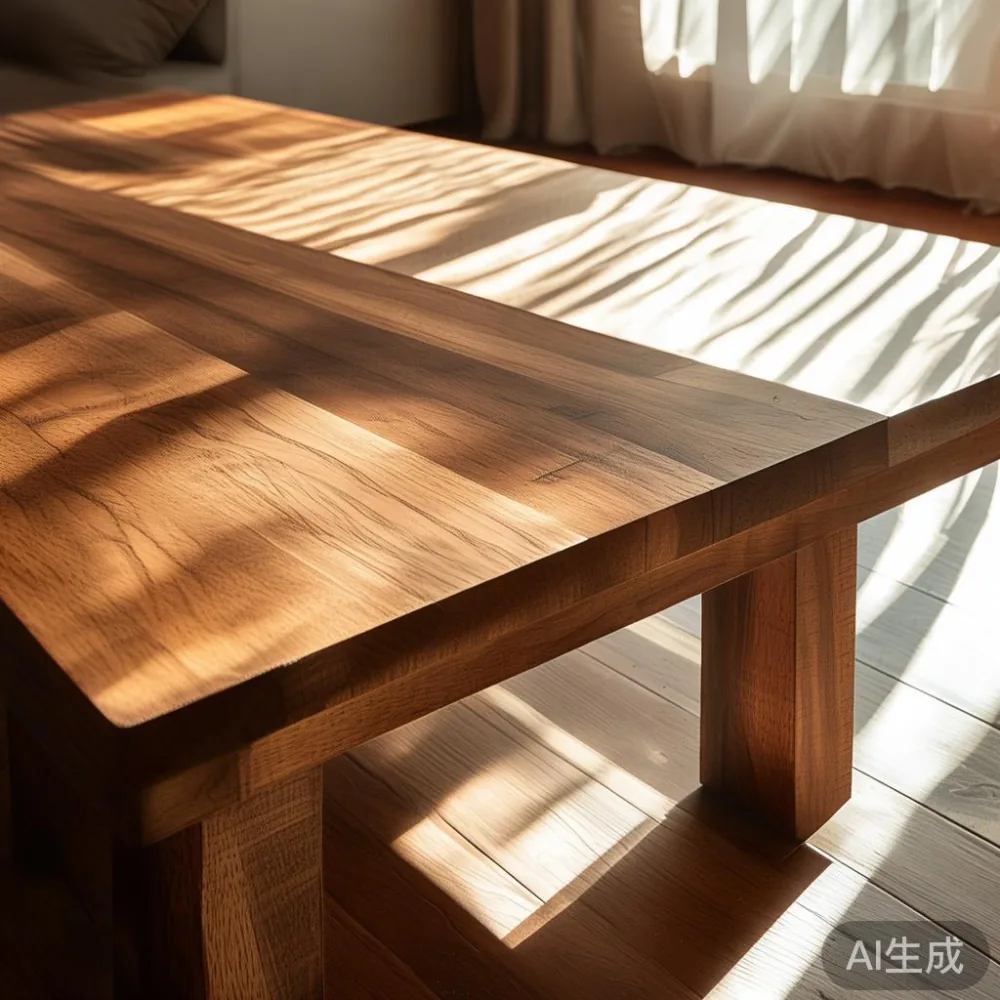
- Rubberwood (Hevea): The budget default. Plantation-grown in Malaysia and Thailand, harvested after latex production ends around age 25–30. Light, pale, takes stain well. A 1.4m rubberwood dining table usually lands between S$800 and S$1,600. Janka hardness around 1,600 lbf — softer than oak, fine for normal use, but it dents if you drop a dumbbell on it.
- Ash and White Oak: The mid-tier workhorses. Janka 1,300–1,360 lbf for ash, 1,360 lbf for white oak. Open grain, strong for chair legs and bed frame slats. A queen-size ash bed frame typically retails S$2,200–S$3,800 in Singapore.
- Walnut (American Black Walnut): The light-luxury darling. Chocolate-brown heartwood, tight grain, Janka around 1,010 lbf. A 1.8m walnut dining table sits in the S$4,500–S$8,000 band. Pair it with a green leather king bed and you have a bedroom that photographs like a magazine spread.
- Teak and Burmese Rosewood: Premium tier, often S$6,000 and up for a wardrobe. CITES documentation matters — ask to see it.
The trick: the same showroom might put a rubberwood nightstand next to a walnut nightstand and charge S$280 vs S$1,100. Same shape, same screws, same drawer slides. Different tree.
2. Joinery: The Part You Never See Until Something Breaks
Here's the thing nobody puts on a price tag: how the pieces are actually held together. Three common methods show up in Singapore furniture:
- Butt joints + screws + glue: Fastest to produce, weakest over time. Common on rubberwood pieces under S$1,500. My colleague's splitting dining table used this. The screws loosened as the wood expanded in our humidity.
- Mortise and tenon: A peg-shaped projection (tenon) fits into a carved hole (mortise). Standard on quality bed frames and dining chairs. Adds roughly S$300–S$800 to a piece's cost because it takes longer to cut, but it holds for decades.
- Dovetail joints: Interlocking wedge-shaped cuts on drawer boxes. A wardrobe with dovetailed drawers commands a S$400–S$1,200 premium over the same wardrobe with dowelled drawers. Worth it if you'll keep the piece past five years.
Ask the salesperson to show you an unfinished sample or a cross-section photo. Brands confident in their joinery will show it openly. Brands that dodge the question usually have a reason.
3. Slab Construction: One Board vs Laminated Strips
This is where marketing language gets slippery. "Solid wood" can mean either a single butcher-block slab or several smaller boards glued edge-to-edge. Both are genuinely solid — no MDF, no particleboard — but they behave differently.
- Single-slab tops: One continuous piece, typically 4–6cm thick for dining tables. Expensive because wider trees cost more. A 1.6m single-slab walnut top can push S$5,000 by itself.
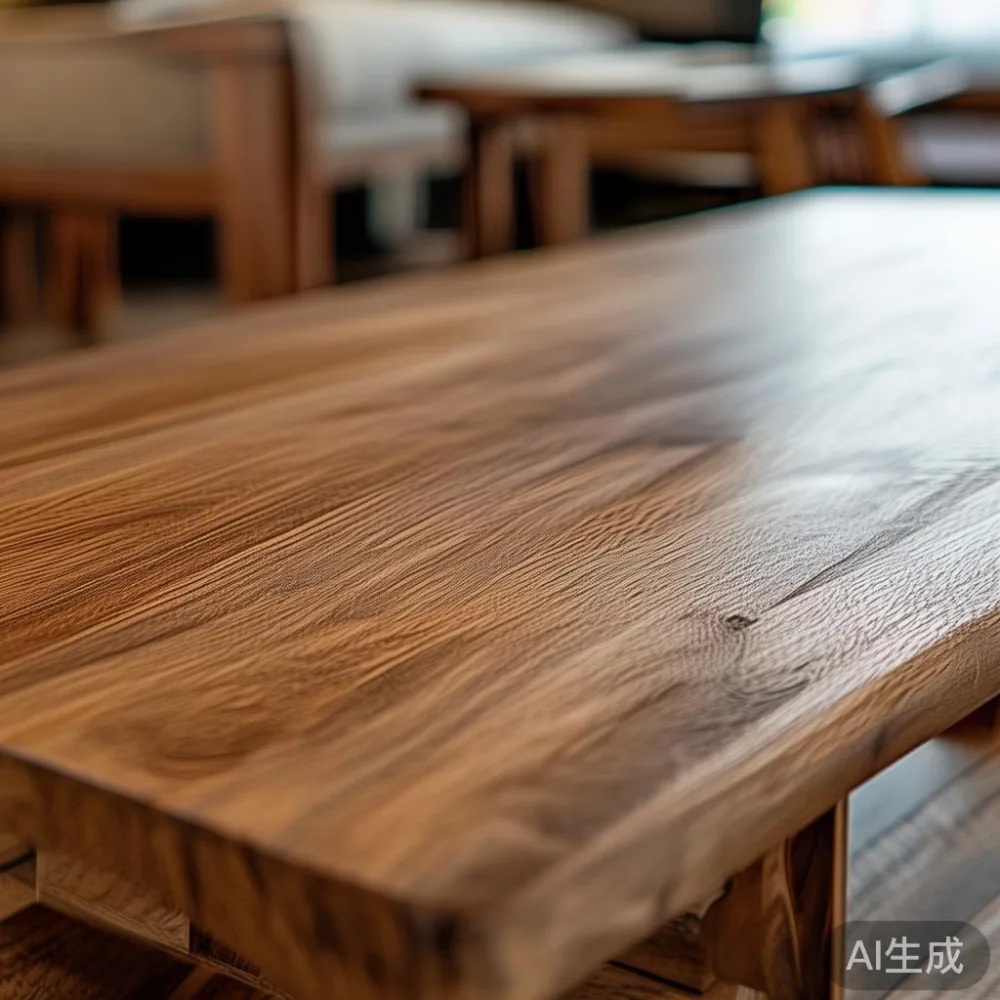
- Edge-glued panels: Boards 8–20cm wide, finger-jointed or simply glued along the edges. Still solid wood, still strong, still refinishable. This is what most reputable brands including MIDHILL use for their dining tables and coffee table sg ranges. The visual effect is usually a flowing grain pattern across the surface.
- Laminated strips (sometimes called "solid wood planks"): Smaller pieces glued together for thickness. Cheapest. Fine for nightstands, less ideal for tabletops you'll be leaning on every day.
For a Singapore HDB dining table that needs to survive daily use and one or two moves, edge-glued panels hit the right balance of stability, appearance, and price.
4. Finish: Lacquer, Oil, or Wax — and Why It Matters in Humid Singapore
Singapore sits at roughly 80% relative humidity most of the year. That number alone explains why some imported furniture arrives perfect and warps within a month. The finish is your wood's skin. Three options dominate:
- Polyurethane lacquer: The most protective. Seals the wood almost completely. Resists water rings, curry spills, and the condensation that drips off a cold glass. Adds S$150–S$400 to a piece but extends its usable life considerably.
- Hard wax oil: Penetrates the wood while leaving a soft sheen. The French light luxury favourite. Feels more natural under the hand, lets the grain breathe, but needs a refresh every 18–24 months in our climate. A walnut dining table with hard wax oil typically retails S$300–S$600 more than its lacquered twin.
- Raw or natural oil only: Cheapest. Beautiful for six months. Then the patina turns into staining unless you're religious about coasters.
If you're furnishing near the kitchen, or your home has poor ventilation, pay for the lacquer. If you're going for an American light luxury look and you don't mind a little upkeep, hard wax oil is gorgeous.
5. Hardware and Soft Components: Drawer Slides, Hinges, Fabric
Most buyers focus on the wood and forget the metal. A solid wood wardrobe with S$8 drawer slides is a worse wardrobe than a plywood one with S$45 soft-close runners. Singapore humidity corrodes cheap steel in roughly two years. Look for:
- Soft-close drawer slides: Blum or Hettich branded. Adds S$120–S$280 per drawer but eliminates slamming and extends drawer life.
- European cup hinges: Adjustable in three directions. Critical for wardrobe doors because HDB walls are rarely perfectly square.
- Leather or performance fabric on a green leather king bed: Full-grain leather costs 3–5x more than bonded leather. If you're shopping for a leather bed, ask which one. Bonded leather peels within five years in our climate.
- Marble table tops: A solid wood base with a Carrara or engineered marble top adds S$800–S$2,200 over an all-wood piece. The wood is the body, but the marble is what your guests actually see and touch.
6. Weight, Shipping, and the Lift Problem Nobody Mentions
This is where local Singapore context actually changes the price. A 1.8m solid oak dining table can weigh 65–85kg. That matters because:
- HDB lift openings are typically 80cm wide by 2.1m tall. A wardrobe wider than 80cm has to be tilted, partially disassembled, or delivered unassembled. Disassembly service adds S$120–S$250.
- Corridor widths in older blocks in Bedok and Tampines can be tight at 1.1m. A pre-assembled wardrobe might not make the corner.
- Landed houses in Punggol or Sentosa usually have wider access, but stairs still add S$80 per floor.
- Shipping weight: Most Singapore furniture retailers charge S$40–S$120 for delivery under 50kg, scaling up sharply after that. A 90kg bed frame plus mattress can cost S$180–S$260 to deliver up the stairs to a fourth-floor walk-up.
- GST: 9% applies to all imported furniture and most local sales since 1 January 2024. On a S$4,000 dining table, that's S$360. Worth factoring in.
MIDHILL, a Foshan-based maker that's been exporting solid wood since 2008, ships many pieces with detachable legs specifically to keep the assembled weight under 50kg — a small engineering choice that ends up saving Singapore customers S$100+ per delivery. Brands that don't think about lift dimensions end up charging extra on-site, or worse, returning the piece.
7. Warranty, Refinishing, and What Happens in Year Six
A 10-year structural warranty is not industry standard — most Singapore furniture brands offer 1–3 years on frames. A lifetime refinishing service is even rarer. The reason those policies show up on the price tag is that they imply the maker expects the piece to last 15–25 years, and they're pricing the aftercare into the upfront cost.
When you're comparing quotes, divide the price by the expected lifespan. A S$2,200 dining table that lasts 12 years costs S$183 per year. A S$900 table that lasts 4 years costs S$225 per year. The expensive one is actually cheaper in annual terms. This is also why solid wood sofas, bed frames, and wardrobes from serious makers end up being the more rational purchase for anyone planning to stay in their HDB for more than one resale cycle.
8. Is French provincial dressing table furniture worth it?
Yes, French provincial dressing table furniture is worth it if you want a specific look and you buy from a maker who uses real solid wood and traditional joinery — but it is not worth it if you're paying French provincial prices for a veneered MDF piece with plastic carvings, because the style is doing all the work and the material is doing none of it. A genuine French provincial dressing table in beech or walnut with hand-carved details, dovetailed drawers, and a soft-close velvet-lined jewellery tray will run S$2,800–S$6,500 in Singapore. A reproduction in rubberwood with resin appliqué runs S$900–S$1,600. Both look similar on Instagram at a glance, but the first one will outlast your second lease, and the second one will show movement joints within two humid seasons.
9. How to Read a Price Tag Without Being Misled
Once you know the eight factors above, you can decode almost any furniture quote. A quick checklist for your next showroom visit:
- Ask which wood species exactly — "solid wood" is not an answer.
- Ask to see the joinery on a sample or a detailed photo.
- Check whether the top is single-slab, edge-glued, or laminated.
- Identify the finish and ask what maintenance it needs in our climate.
- Look at the hardware brand — Blum, Hettich, or no-name?
- Measure your lift, your corridor, and your front door before ordering.
- Confirm whether structural warranty and refinishing are included or optional add-ons.
- Confirm if GST is shown inclusive or added at checkout.
For example, a S$3,200 solid wood dining table that uses white oak, mortise-and-tenon joinery, edge-glued top, hard wax oil finish, Blum soft-close on any extension leaves, and detachable legs for lift access is a genuinely well-priced piece. The same shape in rubberwood with dowelled joints, lacquer finish, and unknown hardware at S$1,400 is a reasonable budget piece but not the same product. They're just in the same showroom.
10. Where Solid Wood Genuinely Pays Off — and Where It Doesn't
Solid wood earns its premium on pieces that take daily abuse and get used for 10+ years: bed frames, wardrobes, dining tables, and bookcases. It matters less on items that trend-cycle or get replaced every few years: occasional chairs, side tables, and accent nightstands. A solid wood sofa frame is a smart buy because the frame is what fails first on sofas; the cushions can always be reupholstered.
Coffee tables sit in the middle. A solid wood coffee table sg with a marble or stone insert will outlast three flat-pack replacements and age beautifully. A pure solid wood coffee table in a light wood like ash can show water rings within months if your household uses coasters loosely. Pick the species with that reality in mind.
For most Singapore households furnishing a single HDB or condo, the formula that makes sense is: spend on the bed frame, the wardrobe, and the dining table in solid wood (these will move with you to your next home and the one after that); choose solid wood or high-quality engineered options for the nightstand, side tables, and bookcases based on budget; and treat the marble table as a long-term anchor piece if you have the space.
11. A Practical Walkthrough: Building a Bedroom Set Within Budget
Let's put numbers on a realistic Singapore bedroom project — say, a master bedroom in a five-room HDB in Punggol:
- Queen-size solid ash bed frame with green leather king bed upholstery on the headboard: S$2,800–S$3,600.
- Pair of solid wood nightstands: S$480–S$900 each.
- Six-door solid wood wardrobe with soft-close hinges: S$3,200–S$4,800.
- Solid wood dressing table (American light luxury style, walnut veneer on solid base): S$1,400–S$2,200.
- Upholstered stool: S$280–S$450.
Total: roughly S$8,640–S$12,850 before GST. At 9% GST that's S$9,418–S$14,007. Spread across 15 years of expected use, the annual furniture cost works out to S$628–S$934 per year for the room — less than most Singaporeans spend on coffee, and the pieces can be refinished, relocated, and resold.
12. The Three Numbers That Should Make You Walk Away
Finally, a few honest red flags. If any of these come up, keep your wallet closed:
- The salesperson cannot name the wood species, or says "MDF with solid wood veneer" while the price suggests solid.
- The quote is dramatically lower than every competitor — for solid wood, there's a floor. Anything 40% below the median is suspicious.
- No warranty, or a "warranty" that excludes the joinery, the finish, and the hardware — which is everything that actually fails.
Solid wood furniture is one of the few purchases that genuinely gets more comfortable and more beautiful the longer you own it. The grain deepens, the colour settles, the small dents become character. Paying for the real thing — the right species, the right joinery, the right finish, the right hardware — is how you get to enjoy that process for two decades instead of replacing a warped side table every other resale cycle. The price tag is the start of the conversation, not the answer to it.