Coffee Table Materials for Singapore Homes: Solid Wood, Metal, and Glass Compared
Why Material Choice Matters More in Singapore
Humidity, Heat, and Daily Wear
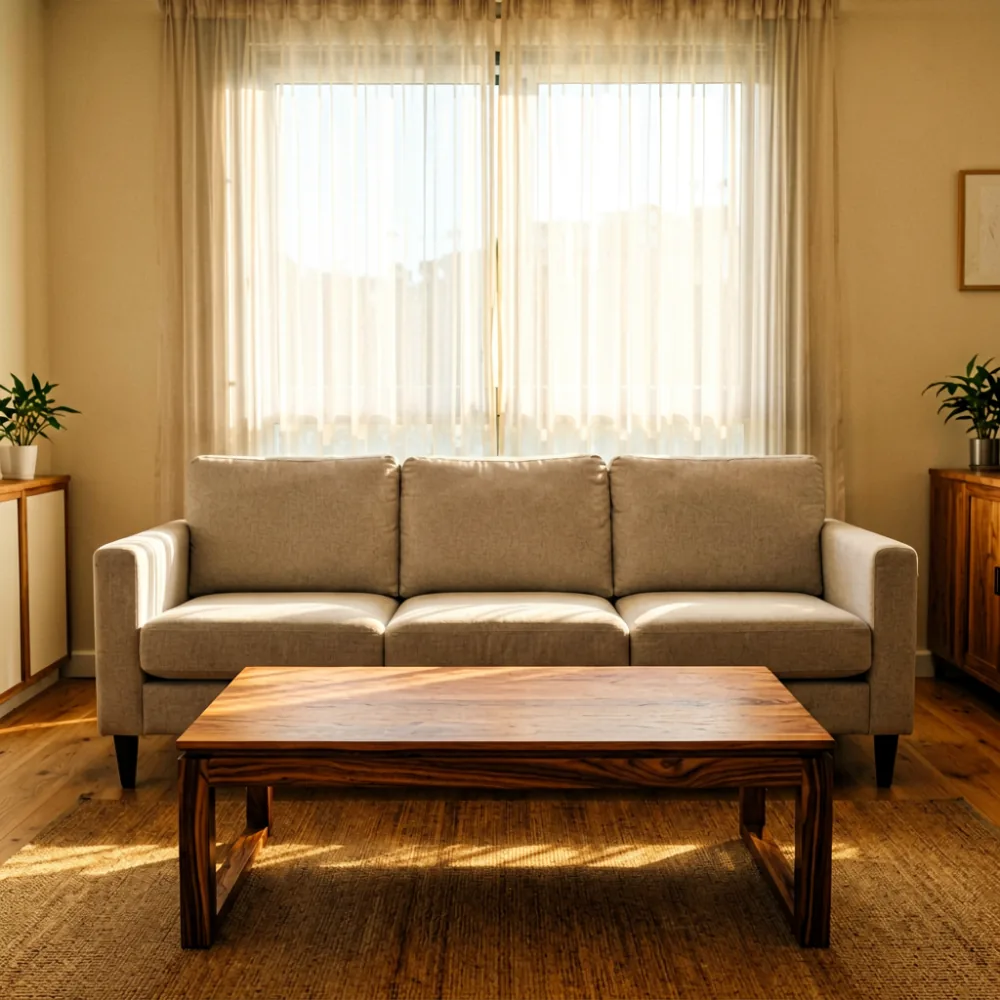
I've been buying and testing coffee tables in Singapore for over a decade, and the single biggest mistake I see people make is picking a table based on style alone, without considering what this climate does to different materials. We're talking about a place where relative humidity regularly hits 85 per cent during monsoon months, combined with direct sunlight through large sliding glass doors in many HDB and condo units.
The wrong material choice leads to warped tops, rusted legs, cracked veneers, and frustrating returns. The right one — typically well-sealed solid wood furniture — can last 15 years or more with minimal maintenance. When I shop for a table, I start with material, then size, then style. Most retailers suggest the opposite order, which is why so many tables end up collecting dust in a corner.
My living room has a leather sofa, and I learned early that the table in front of it takes a beating from cups, remotes, and the occasional accidental scuff from the sofa legs being adjusted. That reality shapes what I look for in a surface material.
Solid Wood: The Singapore Standard
Best Species for the Tropics
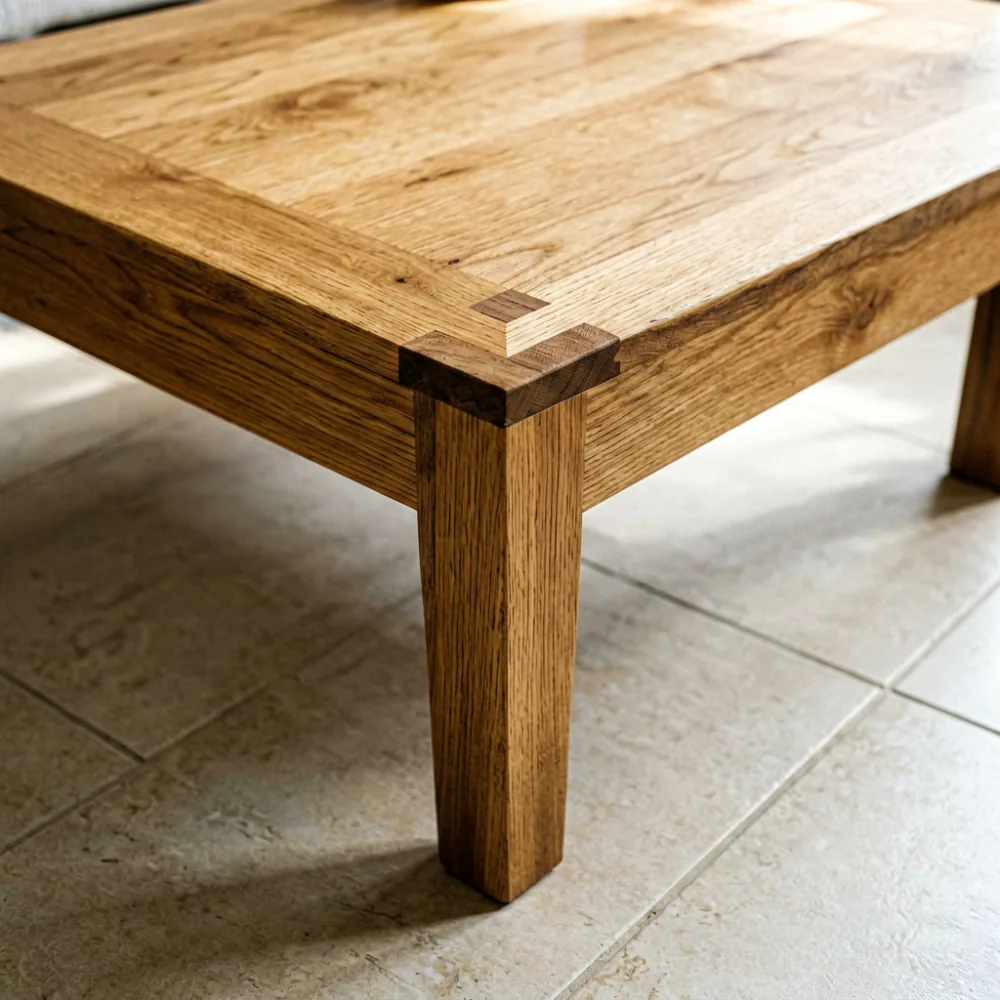
Solid wood remains the most popular coffee table material in Singapore, and for good reason. Hardwoods like teak, acacia, oak, and walnut handle humidity changes far better than engineered wood or particle board alternatives. Teak is the gold standard here — its natural oils resist moisture and insects, which matters enormously in a tropical environment where termites and mould are genuine concerns.
Acacia is a close second and more affordable, though it requires a good finish to match teak's longevity. Oak has a beautiful grain pattern and is strong, but it's denser and heavier, which can be a double-edged sword if you move flats frequently. Walnut is visually stunning with its rich brown tones, but it's also the priciest option and softer than teak, meaning it scratches more easily.
When I measured my own solid wood coffee table after five years in a Second-Floor BTO living room, there was no warping, no joint separation, and only minor surface scratches that actually added character. The legs were still perfectly square. That durability is what makes solid wood furniture a smart long-term purchase in this market.
Powder-Coated Metal: The Minimalist Alternative
Rust Resistance and Weight Trade-Offs
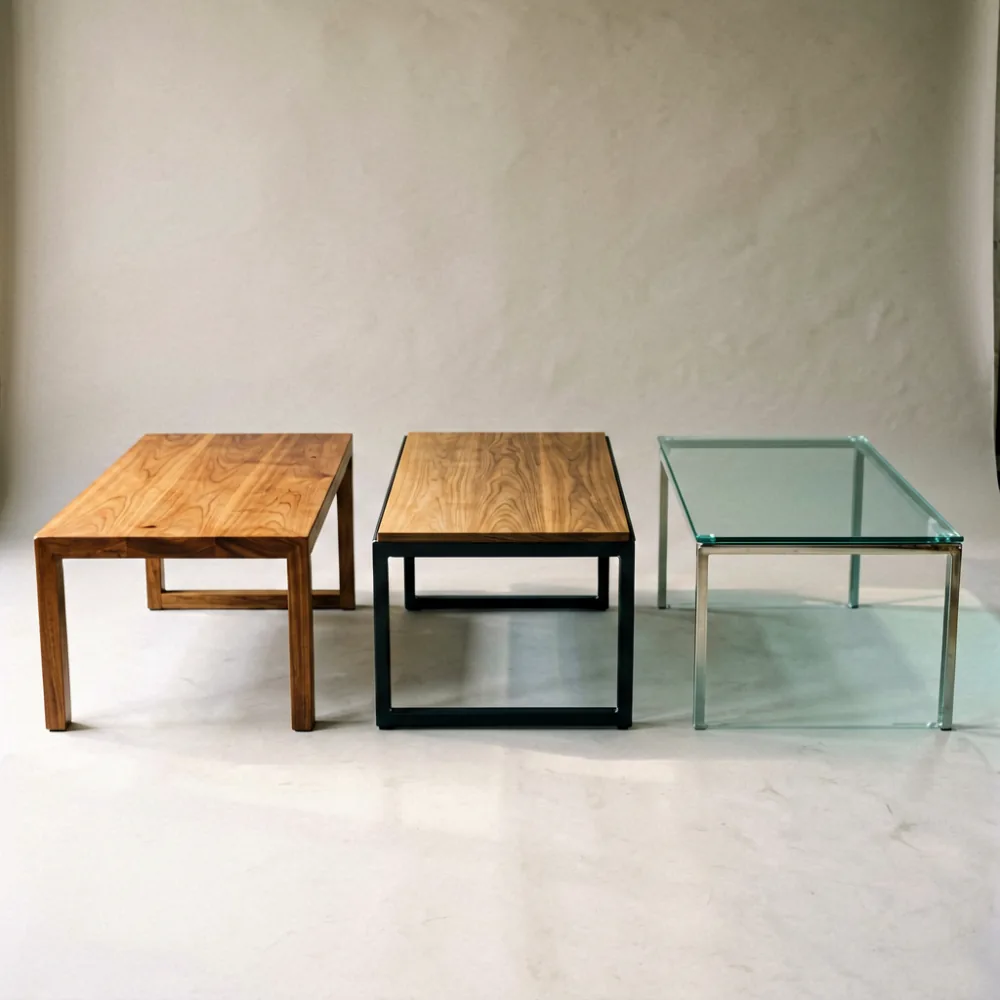
Metal coffee tables have surged in popularity, particularly among younger buyers in condos in Districts 11, 12, and 15 who favour industrial or Scandinavian interiors. Powder-coated steel is the most common finish, and the coating does an excellent job of preventing rust — a real advantage over unpainted iron or raw steel in our climate.
The main trade-off is weight. A typical metal coffee table with a wood or glass top weighs considerably less than its solid wood counterpart, which makes it easier to reposition but can feel flimsy if you set a heavy tray or a large stack of books on the surface. The wobble factor becomes noticeable over time as floor joints loosen or legs sit unevenly on tiled flooring.
Another consideration is noise. Metal tables clatter when you set down a ceramic mug or a glass. I've gotten used to it, but if you have a leather sofa nearby and tend to slide things across the surface, the sound can be jarring during quiet evenings. For small space furniture where floor area is at a premium, the slim profiles of metal tables do offer an aesthetic advantage that wood can't always match at the same price point.
Tempered Glass: Clean Looks, High Maintenance
The Water Mark Problem
Glass coffee tables look incredible in well-lit Singapore living rooms. They create a sense of openness, reflect natural light, and pair elegantly with both modern and mid-century interiors. A 120 by 60 centimetre tempered glass top on a metal frame typically runs between SGD $280 and $650 from local retailers, making it accessible for budget-conscious buyers.
But glass demands attention. Every water ring from a condensation-prone glass becomes visible within minutes. Every fingerprint, every dust particle, every slight smudge from cleaning shows up under direct sunlight. I've spent more time polishing glass tops than I care to admit, and even with daily wiping, the surface never looks as clean as it does in showroom photos.
Tempered glass is safe — it shatters into small blunt pieces rather than sharp shards — but it is prone to chipping at the edges if bumped during delivery or rearrangement. In a ground-floor or Second-Floor HDB unit where the table might take accidental knocks from moving furniture, this is a genuine risk. The cleaning routine also means you're buying glass cleaner repeatedly, which adds up over a year.
Side-by-Side Comparison Across Key Metrics
After testing three coffee tables in my own homes over eight years, here's a practical comparison that goes beyond the showroom specs. These are real measurements and observed costs from Singapore purchases.
| Material | Typical Dimensions (cm) | Weight (kg) | Price Range (SGD) | Maintenance Interval | Lifespan in SG Climate |
|---|---|---|---|---|---|
| Solid Teak Wood | 120 × 60 × 42 | 18–22 | $450 – $1,200 | Annual oil treatment | 15+ years |
| Acacia Wood | 120 × 60 × 42 | 15–19 | $300 – $750 | Every 2 years polish | 10–12 years |
| Powder-Coated Steel + Wood Top | 110 × 55 × 40 | 10–14 | $250 – $600 | Check coating annually | 8–12 years |
| Tempered Glass + Steel Frame | 120 × 60 × 42 | 14–18 | $280 – $650 | Daily cleaning | 6–10 years |
The numbers tell a clear story. Solid teak commands the highest upfront cost and the heaviest weight, but the lifespan in Singapore's humidity far outstrips the other options. Acacia offers the best value if you're willing to commit to a basic maintenance routine. Glass and metal combinations sit in the middle on price but require more frequent attention to look their best.
Finding the Right Size for Your Living Room
HDB 3-Room and 4-Room Guidelines
Size is where most buyers go wrong, especially in smaller HDB flats. A coffee table that's too large makes the room feel cramped; one that's too small looks lost and serves no practical purpose. For a standard 3-room HDB living room measuring roughly 300 by 350 centimetres, I recommend a table no longer than 100 centimetres. This leaves adequate walking space while still providing a usable surface.
In a 4-room flat with a living area around 350 by 400 centimetres, a 110 to 120 centimetre table works well, especially when paired with a three-seat sofa. The general rule I follow is that the table should occupy no more than 40 per cent of the floor space between the sofa and the opposite wall or TV unit. That usually lands you in the 100 to 120 centimetre length range for most Singapore homes.
Condo owners in newer developments often have larger open-plan living areas, which can tempt you to go bigger. Resist that urge. A 140 centimetre table dominates a room unless your sofa is at least 220 centimetres wide. I once saw a 150 centimetre marble-top table in a Queenstown condo that left barely 35 centimetres of clearance on either side — impractical for daily use and awkward for anyone trying to pass through.
Where to Buy in Singapore: Local Makers, Showrooms, and Online
Custom and Stock Options
Singapore buyers have more options than ever, from local designers and makers to regional manufacturers and big-box retailers. For solid wood pieces, I've had good experiences with Foshan-based manufacturers who ship directly to Singapore. Brands like MIDHILL, a solid-wood furniture maker established in 2008, offer pieces with a 10-year structural warranty that gives real confidence — not just a marketing promise. Their teak and acacia coffee tables consistently arrive within three to four weeks, and the quality control on joinery is noticeably better than most mass-market options.
Local showrooms in areas like Katong and Joo Chiat carry curated selections, and the advantage is that you can inspect build quality in person before committing. Delivery and assembly through these channels typically costs between SGD $30 and $80 depending on floor level and whether lift access is available. For ground-floor units without a service lift, expect a surcharge.
Online platforms like Lazada and Shopee offer competitive pricing, especially on small space furniture and minimalist designs. However, the return process is cumbersome, and sizing estimates can be optimistic. I always recommend measuring your doorway, lift, and staircase before purchasing anything delivered, because a 120 centimetre table that won't fit through your HDB lift door becomes an expensive problem. Custom furniture options from local workshops are worth considering if you need a non-standard size or specific wood species — most can deliver within six to eight weeks at a 20 to 30 per cent premium over stock items.
Long-Term Cost of Ownership Beyond the Sticker Price
Annual Maintenance Realities
The purchase price of a coffee table is only part of the equation. Over ten years, maintenance costs can add up significantly, and the amounts vary by material. Solid teak requires an annual application of teak oil or wax, which costs roughly SGD $15 to $25 per treatment. Acacia needs less frequent care but benefits from a protective polish every two years at around SGD $12 per application. Glass tables demand daily cleaning with appropriate solutions, which averages SGD $8 per month in consumables — that's nearly SGD $100 annually.
Assembly and potential reassembly costs also factor in. If you move houses frequently, a heavy solid wood table will incur delivery fees each time, whereas a lighter metal-and-glass combination is easier and cheaper to relocate. I've moved three times in eight years, and the cumulative delivery charges for my 20-kilogram teak table have exceeded SGD $200 across all moves.
Durability is the ultimate cost saver. A solid wood table that lasts 15 years costs less per year of service than a cheaper alternative that needs replacing every five to six years. When I calculate total ownership cost including maintenance, delivery, and replacement, the data consistently favours investing in durable furniture from the start rather than cycling through cheaper options.
Frequently asked questions
Which coffee table material is best for HDB flats in Singapore?
Solid teak or acacia wood is the best choice for HDB flats due to its resistance to humidity and heat. These materials maintain their structural integrity better than glass or bare metal in Singapore's tropical climate. Look for tables with sealed finishes and mortise-and-tenon joinery for the longest lifespan.
How much does a solid wood coffee table cost in Singapore?
Solid wood coffee tables in Singapore range from SGD $300 for acacia options to over SGD $1,200 for premium teak designs. Mid-range pieces between SGD $450 and $750 offer the best value, combining durable hardwood construction with reliable finishing. Delivery and assembly typically add SGD $30 to $80.
What size coffee table fits an HDB 4-room living room?
A coffee table measuring 110 to 120 centimetres in length and 55 to 60 centimetres in width suits most HDB 4-room living rooms. This size pairs well with a three-seat sofa while maintaining at least 40 centimetres of walking clearance on all sides. Height should be approximately 40 to 45 centimetres, matching standard sofa seat height.
Is glass or metal better for small Singapore apartments?
For small apartments, a powder-coated metal frame with a wood or glass top works well because of its slim profile and lighter weight. Glass tops create visual openness but require daily cleaning. Metal frames resist humidity-related rust when properly powder-coated. Avoid raw or unfinished metal, which will corrode in Singapore's climate within a few years.
How do I protect my coffee table from water rings and heat marks?
Use coasters for all cold and hot drinks, apply a protective pad or tray when placing serving dishes on the surface, and treat solid wood tables with teak oil or furniture wax annually. For glass tables, keep a microfiber cloth nearby for immediate wipe-ups of condensation. Avoid placing the table in direct sunlight, which accelerates fading and finish deterioration.
Questions about specifications, fabric or delivery? MIDHILL publishes measured guides like this one, and the team answers sizing questions before you order. See the full collection or contact the team.