How to Care for a Lacquered Coffee Table in Singapore's Humid Climate
I keep a lacquered coffee table in my own Tampines HDB living room, and I learned the hard way what four months of equatorial humidity does to a glossy surface. By week six, the tabletop had developed a faint bloom — that milky haze lacquer shows when moisture gets trapped under the finish. I am writing this guide so you don't repeat my mistake. If you are shopping for a coffee table sg piece that will hold up to Singapore weather, or you already own one from a solid wood maker like MIDHILL and want it to stay glassy for the next decade, the notes below come straight from a humid living room, a damp kitchen, and a balcony door that stays open far too often.
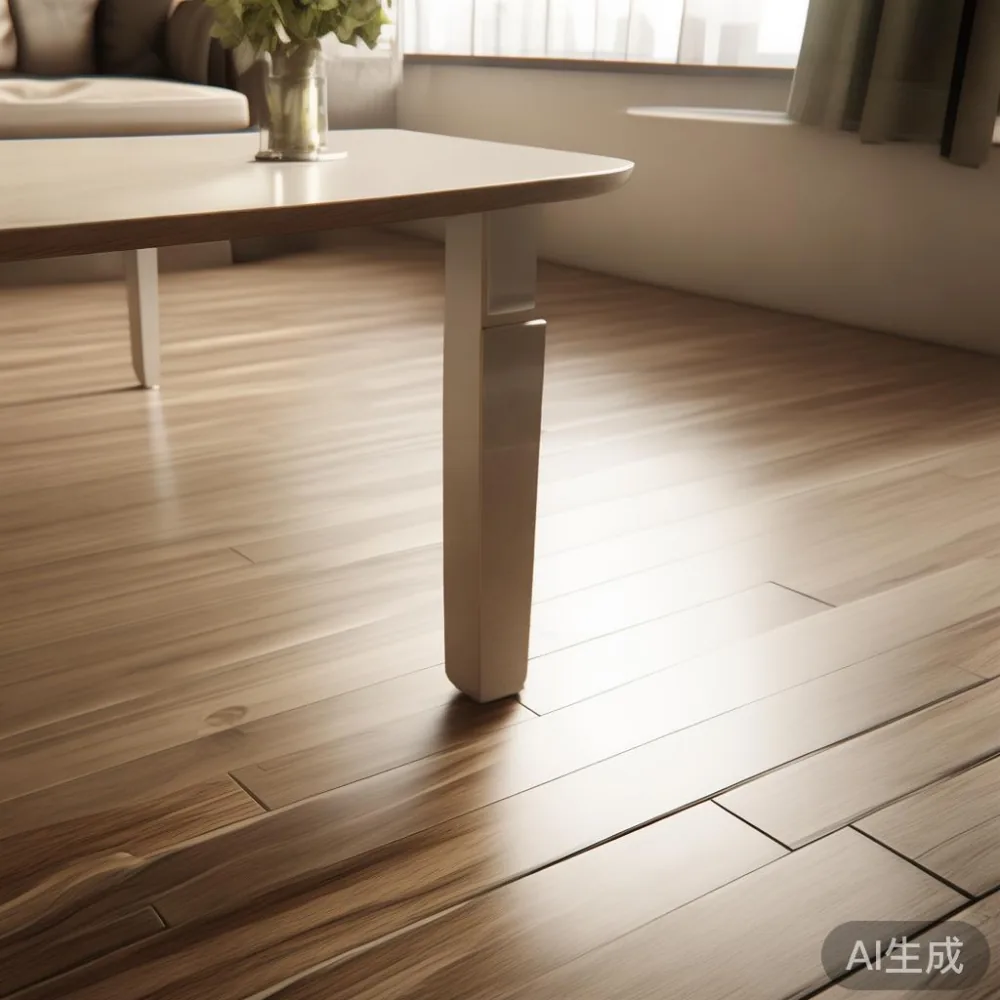
Lacquer looks beautiful in the showroom: a deep piano-black surface on a marble table, a warm walnut sheen on a solid wood sofa frame, a satin-mist top on a dining table that anchors the whole room. The trade-off is that lacquer is a film finish — it sits on top of the wood rather than soaking in — and film finishes respond strongly to moisture, heat, and UV. Singapore gives you all three, twelve months a year, with GST-priced air-conditioning running in the background. The good news: with a 10-minute weekly routine and one annual deep clean, a lacquered coffee table in a HDB flat at Tampines, Bedok, or Punggol will look new for ten years or more. The same rules apply to your lacquered bed frame, wardrobe doors, nightstand, and dining table — lacquer is lacquer, so the logic transfers.
Why does lacquer bloom in Singapore's humidity?
Lacquer bloom — that cloudy white film — is moisture getting under the surface layer or trapped inside the finish as it cures. In a climate where relative humidity sits between 70% and 88% for most of the year, your coffee table is in effect breathing humid air all day. The lacquer expands, contracts, and absorbs tiny amounts of water through the smallest micro-cracks. A lacquered coffee table sg residents place near an unclosed balcony door will bloom faster than one tucked into an air-conditioned corner. The fix is not panic — the fix is air movement and stable indoor humidity between 45% and 60%, which a S$60 dehumidifier or a steady 24°C air-con setting can handle.
What is the 10-minute weekly care routine for a lacquered coffee table?
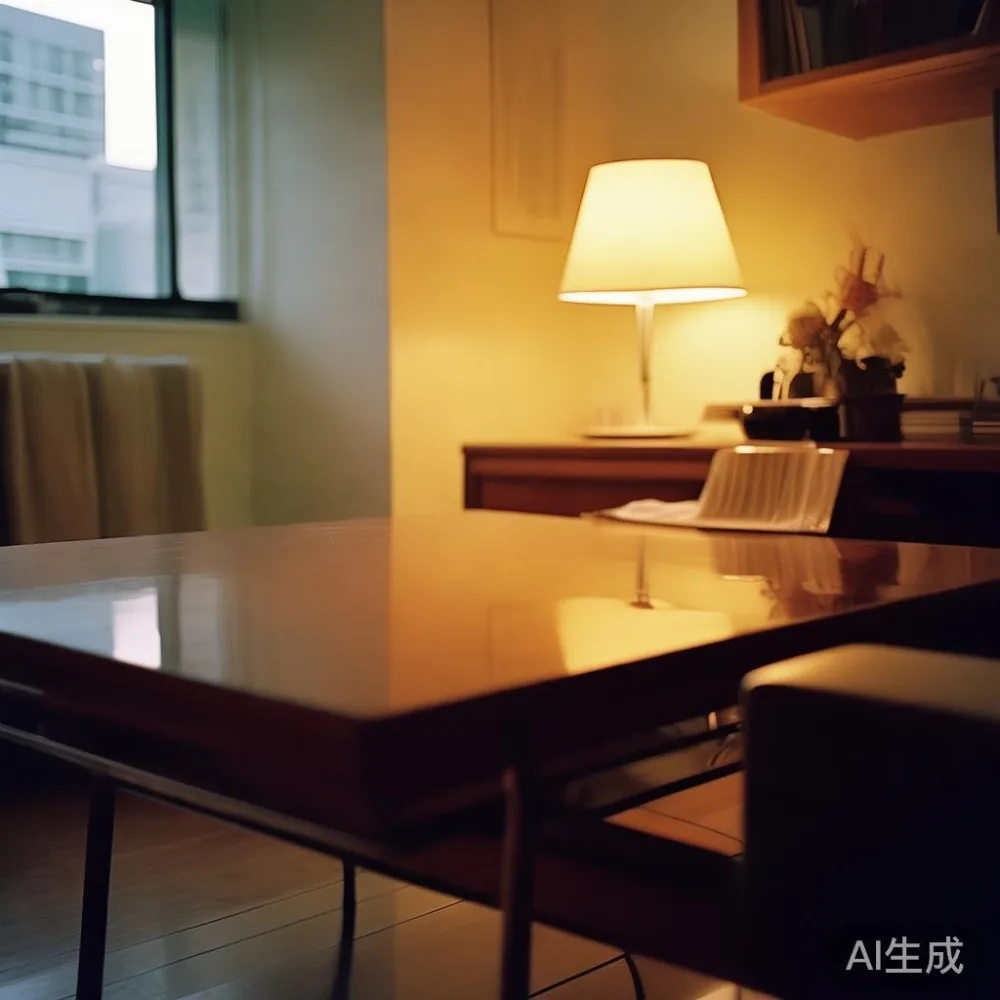
Every Sunday morning, set a timer. You need exactly ten minutes. First, microfibre cloth — dry, clean, slightly warm. Wipe the surface in straight lines along the wood grain, not in circles; circles leave visible swirls under raking light from the window. Second, a second dry cloth for a final buff. That's it for dust. Skip the Pledge, skip the lemon oil, skip whatever your grandmother kept under the kitchen sink. Lacquer does not want to be fed; it wants to be left alone, with dust removed before it can scratch the surface. I do this in 8–10 minutes flat on my 120 cm rectangular coffee table, and the surface still throws back sharp reflections three years in.
How do I style a American accent chair in a small apartment?
Pair one American accent chair — a low-backed, rolled-arm silhouette in tan leather or oatmeal linen — with a round lacquered coffee table of 80–90 cm diameter, and keep 70 cm of walking clearance on every side so a 4-person HDB living room of about 18 sqm still feels open. The contrast of a curved American chair against a rectangular marble table grounds the room without crowding it, and the chair's exposed wooden legs echo the coffee table's base for visual rhythm.
What cleaners are safe on lacquer — and what will ruin it in one wipe?
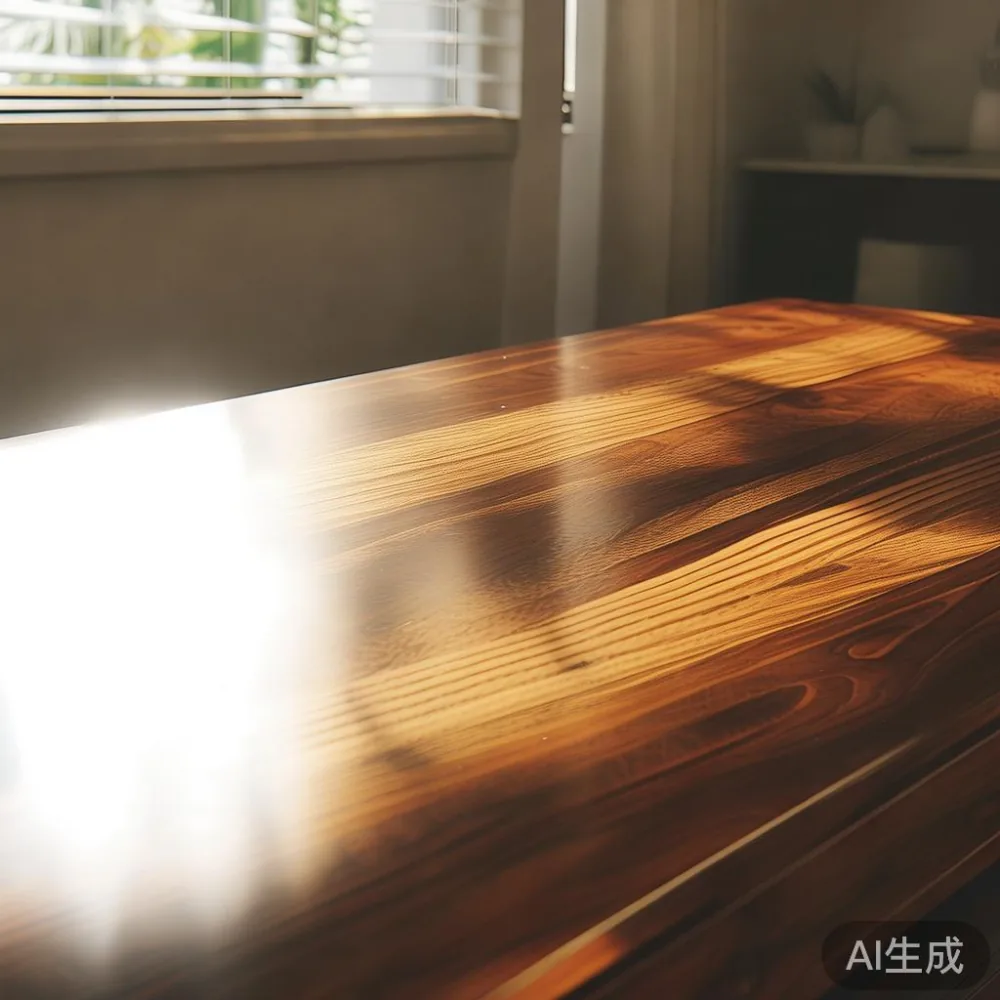
Safe: a barely damp microfibre cloth with a drop of pH-neutral dish soap, used sparingly and buffed dry within 30 seconds. Safe: a dedicated lacquer wipe from a specialty wood-care brand, around S$18–S$28 for a 30-pack. Unsafe — and I mean this for any lacquered piece, from a coffee table to a dining table to a wardrobe door: ammonia-based glass cleaner, silicone-based polishes, wax-based polishes, vinegar straight from the bottle, acetone, anything labelled "multi-surface," and any cloth with a micro-abrasive. One swipe of silicone polish will look gorgeous for a week, then trap dust into a waxy film that no future owner will ever fully remove. If a guest brings a generic Windex to your home, politely redirect them.
How do you handle a spill on a lacquered dining table during a dinner party?
Last month I hosted seven friends in my Bedok condo for a steamboat night. Soy sauce hit the lacquered dining table within forty minutes — it always does. Here is the exact protocol that saved the finish: blot, do not wipe. A folded paper towel pressed onto the spill for ten seconds lifts the liquid without grinding it into the finish. Then a barely damp microfibre cloth, one pass with the grain, then a dry cloth. Total time: 45 seconds. No rings appeared. The table is a MIDHILL piece in white-oak veneer over solid rubberwood, finished with a seven-layer piano lacquer, and three years of family dinners have not left a single ghost mark because the rule is always the same — blot, wipe, dry, walk away.
What about coaster discipline and the dreaded white ring from a cold glass?
White rings happen when condensation sits under a glass and moisture penetrates the lacquer layer. The cure is simple: coasters, every time, no exceptions. Stone, ceramic, or felt-bottomed coasters all work. If a guest sets down a can of Tiger beer directly on your coffee table, do not panic — just lift the can after the meal, dry the spot, and buff. If a white ring does appear, a paste of baking soda and water applied with a soft cloth, left for one minute, then buffed dry, often lifts it. Test on the underside of the table first. For deeper marks, a 1000-grit wet-and-dry sandpaper followed by a wax fill is a professional repair that costs about S$80–S$120 if you bring the piece to a workshop, but most rings vanish with the baking soda method.
Can a lacquered coffee table live near an open balcony door?
Mine does. My balcony door stays open six to eight hours a day, and the coffee table sits roughly 1.4 metres from the threshold. The trick is a small dehumidifier set to 55% RH in the living room — a 12-litre Meaco or similar runs about S$189–S$229 and uses roughly 1.1 kWh over 8 hours, so about S$0.20 per session at today's regulated tariff. The lacquer stays glossy, the wood stays stable, and I get the through-breeze I want. If you cannot run a dehumidifier, push the coffee table at least 2 metres from the balcony door and close it during afternoon thunderstorms when humidity spikes to 95%. The same rule applies to a lacquered bed frame near an open bedroom window and a lacquered wardrobe in a corner that stays damp.
How do you handle a scratch — and what about the small marks that come from kids?
My colleague in Punggol has a six-year-old and a cat, plus a French provincial corner sofa for pet owner households — soft rolled arms, removable washable covers, and a low seat height that the cat has claimed as her throne. Her coffee table lives in the same room and collects weekly micro-scratches from toy cars. She keeps a S$12 touch-up marker in walnut and a small tin of clear lacquer wax, and dabs the marker along any scratch longer than 2 cm, waits 60 seconds, then buffs. The marks disappear. For deeper gouges, a furniture repair technician (around S$150–S$250 per visit in Singapore) can fill and re-lacquer the spot to near-invisible condition. MIDHILL offers lifetime refinishing on its solid wood pieces, which is a quiet safety net for exactly this kind of damage — you ship or truck the piece back, and the workshop re-lacquers the affected panel.
What about direct sun — do I need to pull the curtains every afternoon?
Yes, or at least close the sheer layer. UV breaks down lacquer over time, leaving a pale patch where the sun lands most days. In a HDB flat with west-facing windows in districts like Bukit Batok or Jurong, afternoon sun hits a coffee table between 2 pm and 5 pm and will fade the lacquer noticeably within 18 months. A S$25 sheer curtain from IMM or a local fabric shop, hung floor-to-ceiling, drops UV by about 70% and softens the light enough to still feel open. Rotate the coffee table 90° every three months so the sun hits a different edge — an old showroom trick that spreads fade evenly and keeps the piece looking uniformly aged.
How often should a lacquered coffee table be deep-cleaned professionally?
Once a year is plenty for a household piece. A professional detailer will clean the surface, lightly buff out micro-scratches with a 2000-grit compound, and apply a thin protective coat — usually a S$120–S$180 service in Singapore. Schedule it for a dry month (February or July tend to be slightly less humid) so the piece has 48 hours of stable indoor conditions to cure. If you own a full lacquered set — coffee table, dining table, side tables, a nightstand or two — ask for a package rate; many workshops knock 15–20% off when three or more pieces are done in the same visit. For a HDB household that is GST-registered for business use, keep the invoice; the service is claimable as a maintenance expense.
How does Singapore delivery and installation affect lacquer care?
Most HDB lift doors are 80 cm wide and the cabin is roughly 1.1 m deep. A solid wood coffee table in a flat-pack carton usually fits, but an assembled marble table top may not. MIDHILL ships solid wood pieces flat-packed with foam-lined inner cartons, and delivery for orders over US$350 is free — landed in Singapore that works out to roughly S$470 of furniture before duties, with delivery in 18–25 days by sea freight. Always inspect the lacquer under raking light from a window before signing the delivery order. A scratch you spot at the door is the carrier's responsibility; one you spot three days later is yours. The 14-day return window covers functional issues, not finish damage discovered after the fact, so the doorway check matters.
Is light-luxury lacquer more delicate than matte or oil finishes?
Light-luxury pieces — the French light luxury aesthetic with curved cabriole legs and high-gloss tops, or the post-modern light luxury look with clean geometric lines and satin-mist finishes — use the same family of lacquer as standard pieces, just applied in more coats (often 7–12 layers versus 3–5). More coats means a deeper, more reflective surface that looks richer but is actually tougher against micro-scratches. The trade-off is a longer cure time after any repair. Treat a light-luxury lacquered coffee table the same way you treat any lacquered piece: stable humidity, soft cloths, no silicone, no ammonia. The category of finish matters less than the discipline of the routine.
What is the single biggest mistake Singapore homeowners make with lacquer?
Using furniture polish out of habit. The silicone inside products like Pledge, Mr Sheen, or any aerosol "wood shine" spray seeps into the lacquer layer and creates a waxy build-up that yellows, streaks, and refuses to bond with any future re-lacquering. One of the workshop owners I spoke with in the Jurong industrial area told me that 70% of the restoration jobs he sees are silicone contamination that requires full sanding back to bare wood — a S$280–S$400 job per panel. If you want shine, buff the lacquer with a clean microfibre cloth. That is all the shine it ever needs.
When is it time to call a professional instead of DIY?
Call a pro when you see cracking (called crazing), peeling, dark water stains that have penetrated through the finish, or a dull patch that no amount of buffing fixes. These signal lacquer breakdown, not surface dust, and a workshop can sand, re-seal, and re-lacquer the affected area for S$150–S$400 depending on size. If the piece is a high-value solid wood coffee table, dining table, or bed frame from a maker that offers lifetime refinishing — MIDHILL does, on its structural pieces — use the warranty before you pay out of pocket. Most owners never need this service once a year if they keep up the Sunday routine and respect the four rules: stable humidity, soft cloths, no silicone, no ammonia.
A final checklist for a lacquered coffee table in any Singapore home
Microfibre cloths — two, kept separate for wash and buff. pH-neutral soap — one small bottle, refilled when empty. Coasters — at least four, in a small tray by the kettle. A dehumidifier or steady air-con — set to 24°C, 55% RH. Sheer curtains — closed between 2 pm and 5 pm for west-facing units. A S$12 touch-up marker in your wood tone, stored in a drawer. A booking with a refinisher once a year, scheduled in a dry month. That is the entire system. Ten minutes a week, an hour a year, and your lacquered coffee table — whether it sits beside a French provincial corner sofa for pet owner households or a minimalist post-modern light luxury sofa — will still look like the day it arrived, long after the warranty card has been filed away.