How to Care for a Lacquered Coffee Table in Singapore’s Tropical Climate
Singapore’s warmth and humidity make a lacquered coffee table one of the most rewarding pieces of furniture to own—and one of the easiest to damage if it is treated carelessly. Constant UV exposure, sudden temperature changes, spilled drinks and airborne salt can dull a glossy finish faster than many owners expect. For residents of HDB flats and condos in Tampines, Bedok and Punggol, correct care is especially important because furniture often sits near windows, compact living-room air-conditioning units and high-traffic corridors.
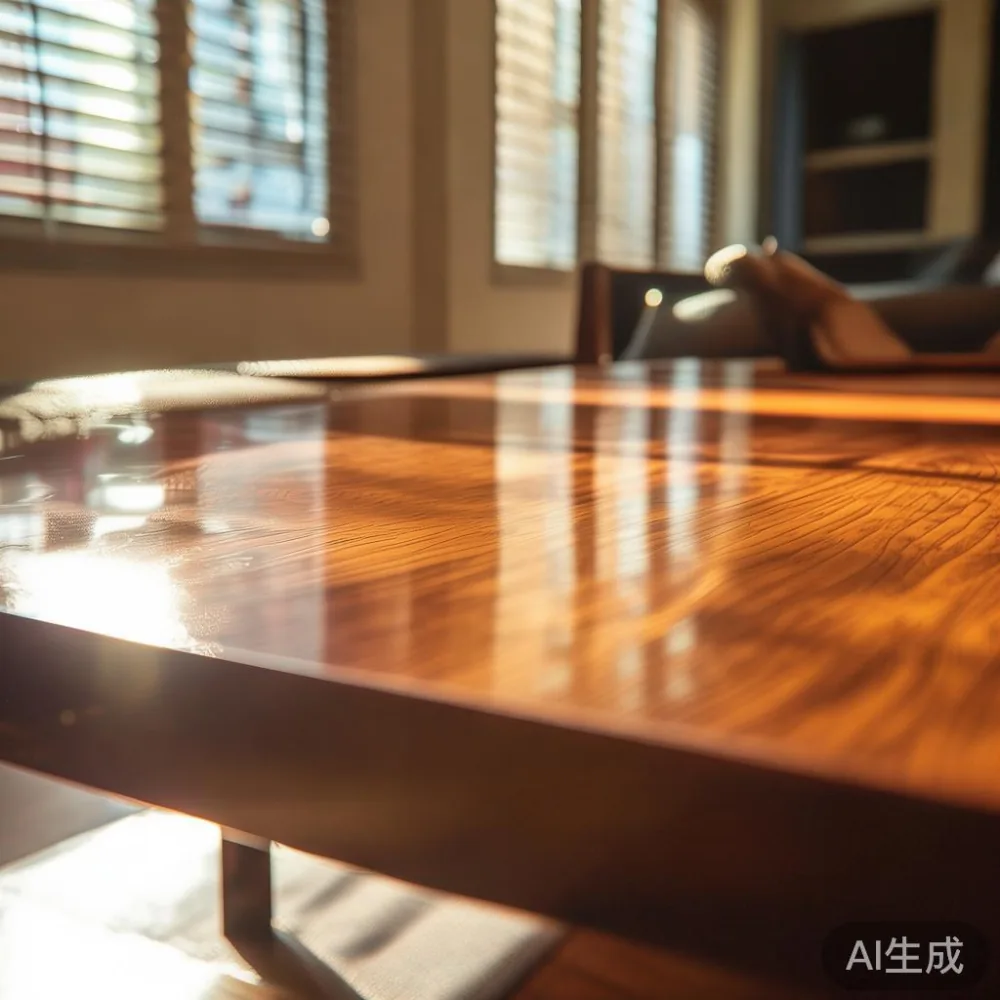
This guide explains how to protect a lacquered coffee table, clean it safely and recognise the small warning signs that indicate a deeper finish problem. It also considers the practical constraints of Singapore homes: lift doors measuring roughly 90 cm, narrow common corridors, compact HDB living rooms and the additional GST charged on furniture purchases.
Why does lacquer need special care in Singapore?
Lacquer creates a smooth, reflective surface over timber or a prepared base. The finish can resist ordinary marks, but it remains sensitive to heat, moisture, cleaning chemicals and repeated sunlight. Singapore’s daytime temperatures commonly reach 31–34°C, while relative humidity can remain above 75% for much of the year. Those conditions may cause lacquer to soften slightly, develop fine haze or develop microscopic surface marks that become obvious under the flat lighting of an HDB flat.
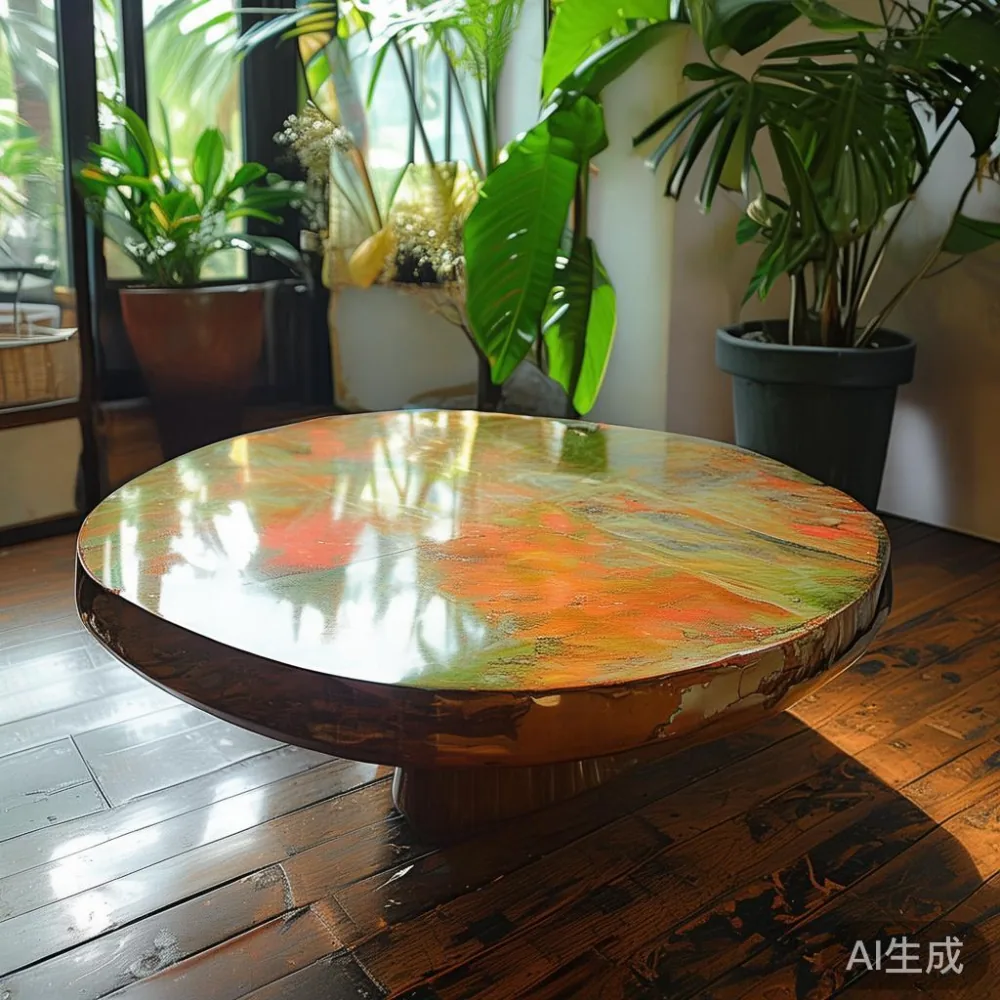
Sunlight adds another issue. A table placed 1 m from an east-facing window in Bedok may receive direct light for 2–4 hours each morning. West-facing condo windows can produce stronger afternoon glare. UV exposure can fade the underlying colour and weaken certain finishes, while a hot cup can leave a permanent ring if the lacquer is already stressed.
The solution is not to over-clean the table. Gentle, regular maintenance protects the lacquer better than aggressive polishing. In the wider collection, the same disciplined approach supports solid wood sofa frames, solid wood dining table surfaces and lacquered bed frames. Each material reacts differently, but the principle is consistent: control heat, limit direct sun and use products intended for the finish.
What should I use to clean a lacquered coffee table?
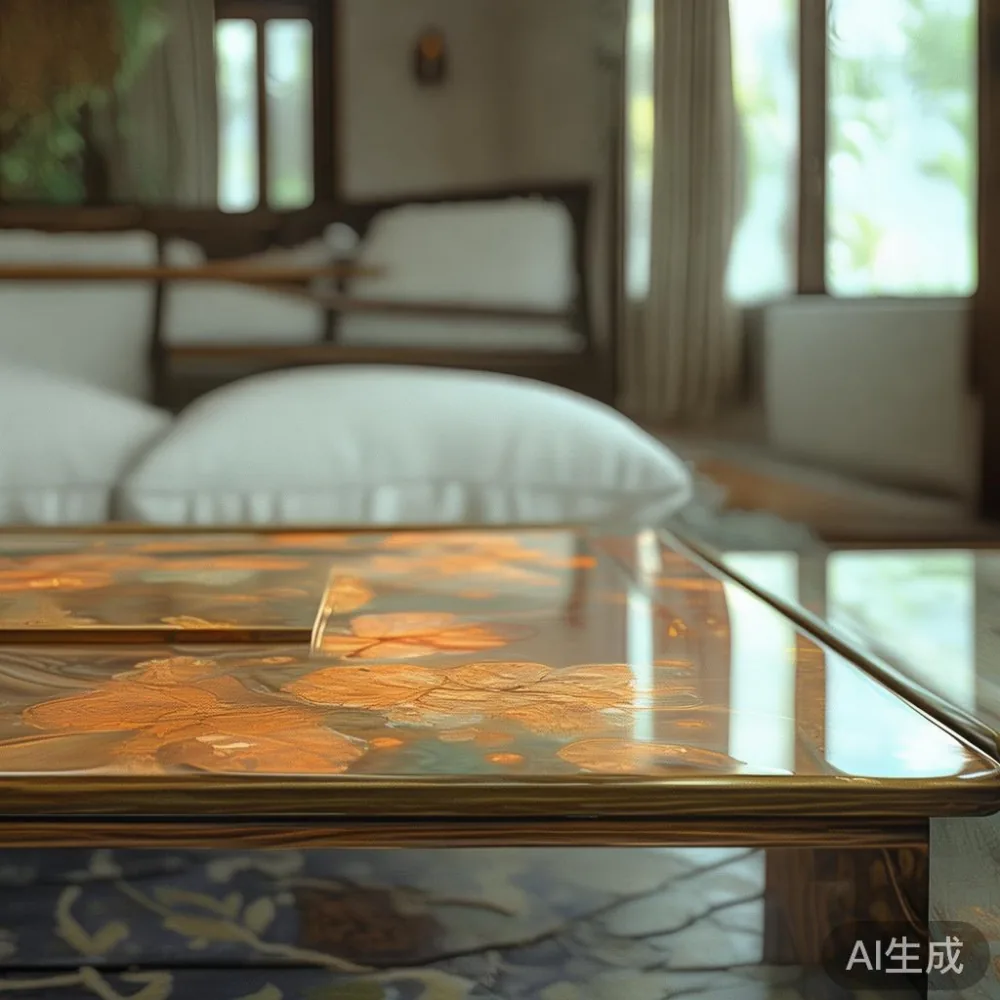
Begin with a soft, lint-free microfibre cloth. Add a little warm water and, if necessary, a neutral detergent diluted to roughly 1 teaspoon per 1 L of water. Wipe the surface once, then remove the residue with a second clean cloth. The table should never be soaked, sprayed directly or flooded around the edge and joints.
For this subject, searching for coffee table sg advice is useful, but product compatibility matters more than the wording of a sales listing. Avoid silicone-based sprays, ammonia, bleach, acetone, furniture polish containing alcohol and abrasive cream. These products can strip lacquer or leave a sticky film that attracts dust. A specialist lacquer cleaner may be suitable, but follow its instructions and test it on a concealed 10 cm × 10 cm area for 24 hours.
For a sticky mark, a lightly damp cloth can often lift it in 30–60 seconds. Do not scrub for more than 1 minute, and do not use a blade, nail file or scouring pad. Although searching for coffee table sg recommendations often turns up wax, paste wax and oil-based products, those are not automatically compatible with lacquer. They can create patchy gloss and make future cleaning harder.
I tested this method last month on a lacquered sample table during a visit to a client’s Tampines condo. One half had been wiped with diluted dish soap for several years; the other had received a strong polish. The polished section showed visible haze under a 500-lux inspection lamp, while the simply maintained section looked clearer after a single clean. The experience reinforced that less chemical intervention produced the better result.
How should I place the table near a window?
Keep the surface at least 60 cm from a window if direct sun reaches it, and preferably 1–2 m away when possible. UV-filtering film with a visible light transmission of around 40–60% can reduce solar exposure, although it will not stop heat entirely. In an HDB living room, position the table away from the cooling outlet; air-conditioning can lower humidity quickly around one area and create uneven finish conditions.
Do not place hot objects directly on lacquer. Use a coaster with a minimum diameter of 8 cm and a heat-resistant felt underside. A cup of hot tea can reach 70–80°C, enough to leave a dull mark on some finishes. Wipe condensation from drinks within 5 minutes rather than waiting until the glass leaves a ring.
Check the finish monthly in direct daylight and every 3 months under artificial light. A useful routine is to clean the surface, inspect the edge, and photograph the table from 2 fixed angles. This creates a reference if a new mark appears. The same placement logic applies to a marble table, which also dislikes sudden thermal shock, and to a nightstand that may sit beside a sunlit bedroom window.
How do I remove scratches, haze and stubborn marks?
Small scratches often become more visible because they interrupt reflected light rather than because the lacquer is deeply damaged. First, clean the area and allow it to dry for 15 minutes. Then use a clean microfibre cloth in small circular motions with pressure no heavier than the weight of the cloth. The aim is to re-polish the existing surface, not to grind it down.
A plastic eraser wrapped in a cloth can be tried on isolated scuff marks, although it should never be used on high-gloss lacquer without testing. Work for 20–30 seconds and stop immediately if the area becomes matte. Genuine lacquer restoration is more advanced: a trained specialist may use a finishing system appropriate to the exact coating, then apply several thin coats over 2–4 days. Colour selection and gloss matching should be confirmed before work begins.
Do not apply vegetable oil, coconut oil or cooking oil. They may make the surface appear richer for a few days, but they oxidise into a sticky finish that traps dust. Avoid household car wax, too. Polishing kits intended for automotive paint can contain abrasive compounds that produce permanent swirl marks.
For shoppers comparing different designs, terms such as designer light luxury furniture and under 2000 light luxury furniture can describe many styles, but the finish specification is what determines maintenance. French light luxury styling usually favours clean profiles, pale woods and reflective surfaces; post-modern light luxury may pair curved edges with lacquered panels. In each case, care should be documented by the maker rather than guessed from colour alone.
How do I move a coffee table through a lift and corridor safely?
Measure before ordering. A coffee table should fit through the lift opening with at least 5 cm clearance on each side, and it should not require an awkward diagonal turn in the corridor. Many Singapore lifts have an internal car depth of about 1.3–1.5 m and a door width near 90 cm, but building-specific dimensions vary. A compact table under 100 cm long and 55 cm wide may be easier to manoeuvre, although the handle and removable top can change the effective measurement.
Record the lift door width, corridor turns, stair width and the distance from the lift lobby to the living room. If the table has a glass or marble insert, protect it separately with foam and cardboard. Remove detachable trays and store hardware in a labelled bag. Two people should carry a table weighing more than 20 kg; lift by the base rather than pulling it by the lacquered edge.
Protective wrapping matters during delivery. Use a 2–3 mm blanket layer and corner guards with at least 10 × 10 cm coverage. Keep plastic film away from direct sunlight because heat can trap against the finish. Check the carton on arrival, photograph all sides and inspect the tabletop within 24 hours.
MIDHILL can ship qualifying coffee tables with free delivery on orders above US$350, equivalent to approximately SGD 470 before exchange-rate variation. Singapore GST is normally added at the prevailing rate, and the final payable amount should be confirmed at checkout. Allow roughly 7–14 delivery days after production, with extra time for peak periods and remote addresses. Reviewing the 10-year structural warranty and lifetime refinishing policy can provide useful protection against manufacturing defects and future surface renewal, but accidental lacquer damage may require assessment.
Can lacquered furniture work in a small HDB flat?
Yes, provided scale and circulation are handled well. A coffee table with a 90–110 cm length can suit a compact living room, while a lower model around 35–42 cm high can preserve sightlines across a 3-room flat. Keep at least 40–60 cm between the coffee table and the main seating area where people need to walk. In narrow Punggol units, a nesting or rectangular design may be more practical than a broad square table.
Light colours show dust and fingerprints readily, while very dark gloss shows fine scratches. A satin finish is often easier to maintain in an active household than mirror gloss, although both can be cared for well. Ask for lacquer specification, cleaning guidance and repair terms in writing. If you are also considering a solid wood sofa, bed frame or dining table, confirm that the frame and finish are covered separately, since one warranty may not include every surface treatment.
For a coordinated apartment, searches for how to style French bed in apartment and for sale French provincial furniture can help with cream tones, curved profiles and timber textures. For bedroom furniture, the phrase best European bed for 2026 may appear in buying guides, but verify dimensions against the HDB bedroom and lift access. For seating, best Japandi sofa for 2026 is another useful starting point for balanced proportions, not a substitute for trying the actual sofa in the room.
How often should I maintain the lacquer, and what should I avoid?
Clean lightly every 2–4 weeks in a busy household and immediately after spills. Perform a more careful inspection every 3 months. Rotate table accessories monthly so one area is not exposed to the same pot, candle or stack of magazines for years. Use stable coasters and felt pads, and replace felt that has hardened or compressed below 2 mm.
Avoid direct sun, radiators, hot appliances, damp cloths, abrasive pads, solvents and unattended drinks. Watch children and pets: one nail clip dragged across lacquer can create a mark that takes specialist work to correct. Keep indoor relative humidity around 50–65% where possible, especially if the table sits beside a frequently opened balcony door. Air-conditioning may help during wet periods, but aim for gradual changes rather than directing cold air at the finish.
When purchasing, inspect the tabletop in natural and artificial light, checking for orange peel, pinholes, dust inclusion, uneven gloss and colour variation. Solid wood may naturally expand and contract as humidity changes, so a qualified maker should use compatible movement allowances. Request information about lacquer type, coating layers, expected care and refinishing scope before payment.
For owners comparing online listings, coffee table sg search results should be evaluated by construction and service rather than imagery alone. Look for clear dimensions, lacquer composition, warranty coverage, delivery terms and return conditions. MIDHILL was established in 2008 and exports to more than 15 countries, offering a 10-year structural warranty and lifetime refinishing for eligible furniture. Its 14-day return policy gives buyers time to assess scale, colour and finish in their own Singapore home.
A lacquered coffee table can remain elegant for many years when treated as a dry, protected surface rather than a workbench. Keep heat off it, control sunlight, clean with mild methods and document damage early. Those four habits preserve the clean lines expected of American light luxury, French light luxury and post-modern light luxury interiors while helping the table remain practical in a tropical home.