Coffee Table SG: Comparing 5-Year Costs of Veneer and Solid Wood
A coffee table sits in the most visible part of an HDB flat or condo, yet its materials can create very different long-term costs. Veneer may suit a tighter renovation budget, while solid wood can make more sense for owners who value repairability, stable appearance and a furniture piece that can survive several moves. The practical question is not simply which tabletop is heavier; it is which option costs less after 5 years of ownership in Singapore.
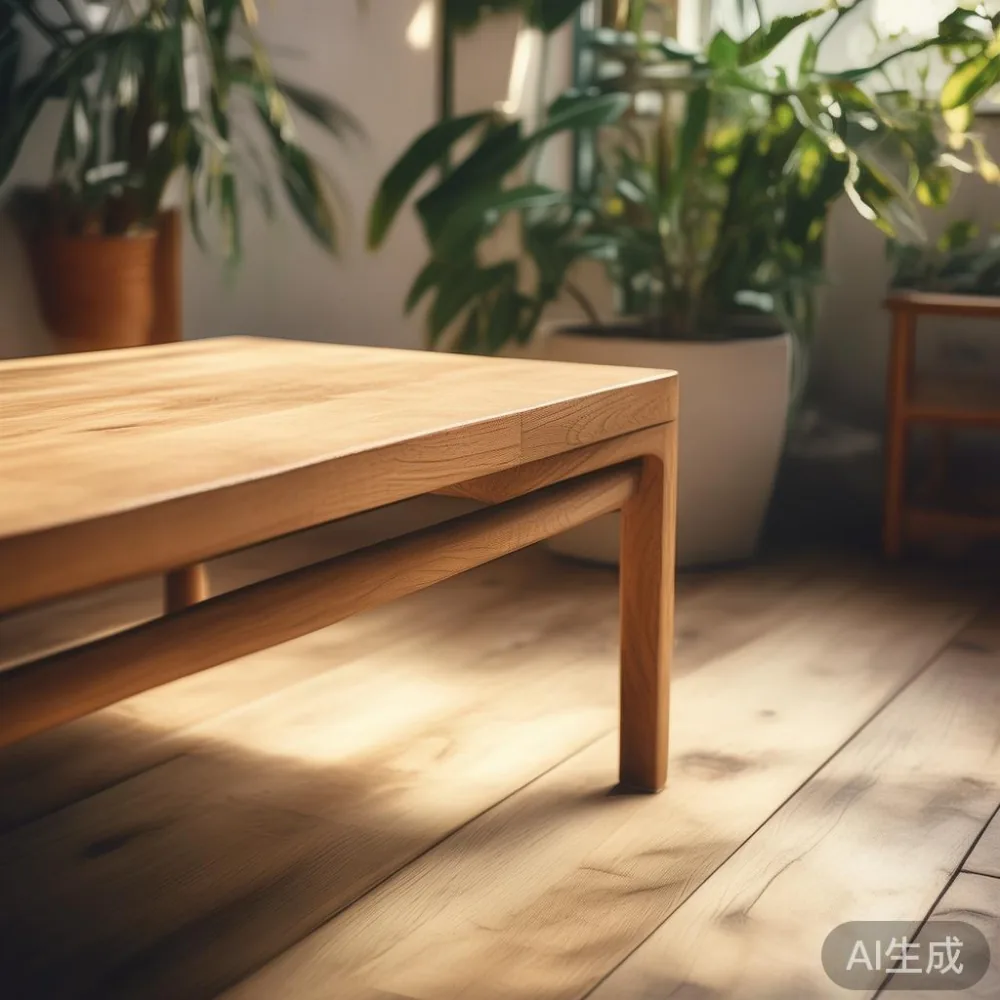
For this comparison, I used two representative 120 × 60 cm coffee tables: one faced with 18 mm MDF and 0.6 mm walnut veneer, and one made from 20 mm solid rubberwood with a clear-coat finish. I estimated a Singapore purchase price of S$260 for the veneer table and S$690 for the solid-wood table. Their estimated weights are 18 kg and 24 kg respectively. The figures include a normal fitted coffee table rather than a full storage unit, which keeps the comparison focused on surface construction.
This matters in places such as Tampines, Bedok and Punggol. A compact HDB living room may need a 90 × 50 cm model, while a condo could accommodate 120 × 60 cm or 130 × 70 cm. A narrower lift, a corridor with a 90 cm turning space, or a staircase without room for two people carrying furniture can all alter delivery and installation costs. GST also needs to be treated carefully: Singapore GST is currently 9%, although the final tax treatment depends on the seller and the transaction.
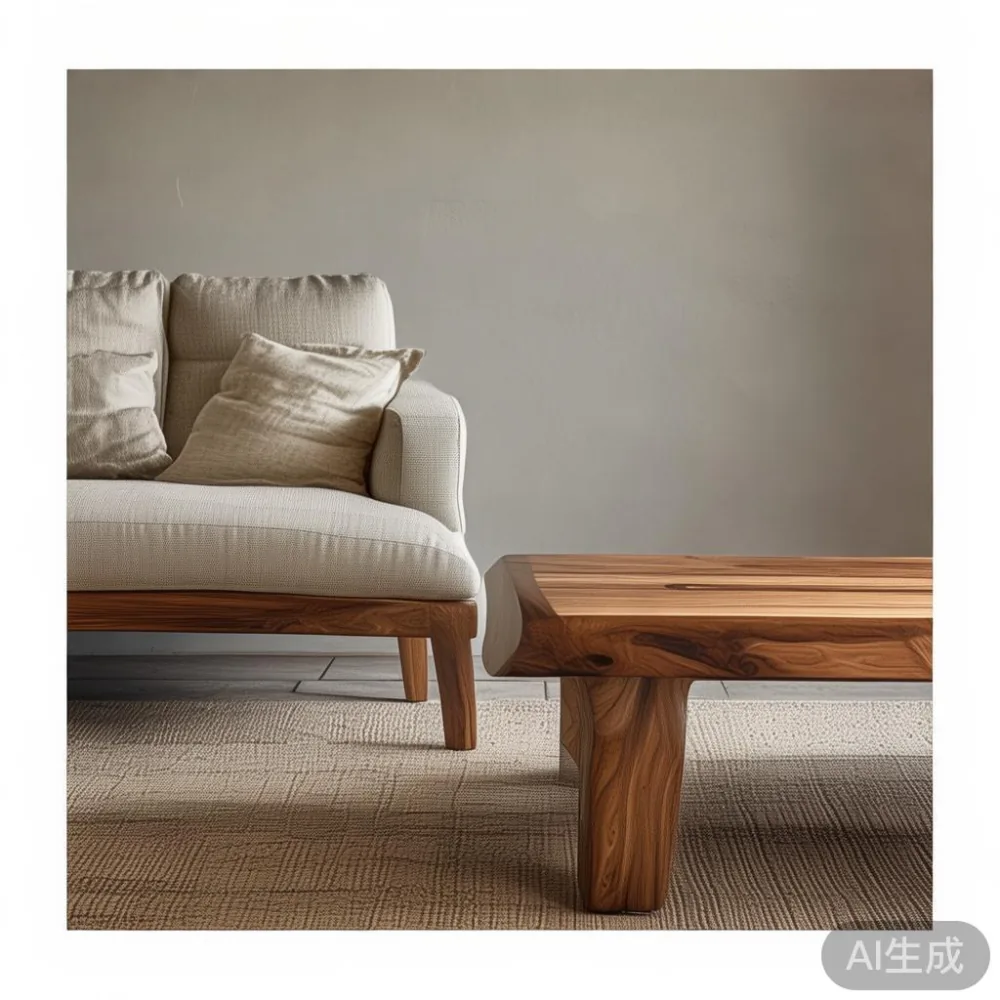
What is the real difference between veneer and solid wood over 5 years?
The short answer depends on whether you count only the purchase invoice or include care, repair and eventual replacement. My working model starts with a veneer coffee table at S$260 before GST and a solid-wood coffee table at S$690 before GST. After 9% GST, those become approximately S$283.40 and S$752.10. Over 60 months, that is a simple S$4.72 and S$12.54 per month respectively.
That spread of S$468.70 does not disappear automatically if the solid-wood table is kept for 5 years. A low-cost veneer table may need replacement sooner, but low-cost replacements are not always realistic. Singapore households often prefer matching pieces, so a damaged table may be replaced with a similar veneer model, while a solid table can be refinished. MIDHILL offers lifetime refinishing on qualifying solid-wood furniture, making the long-term calculation more concrete.
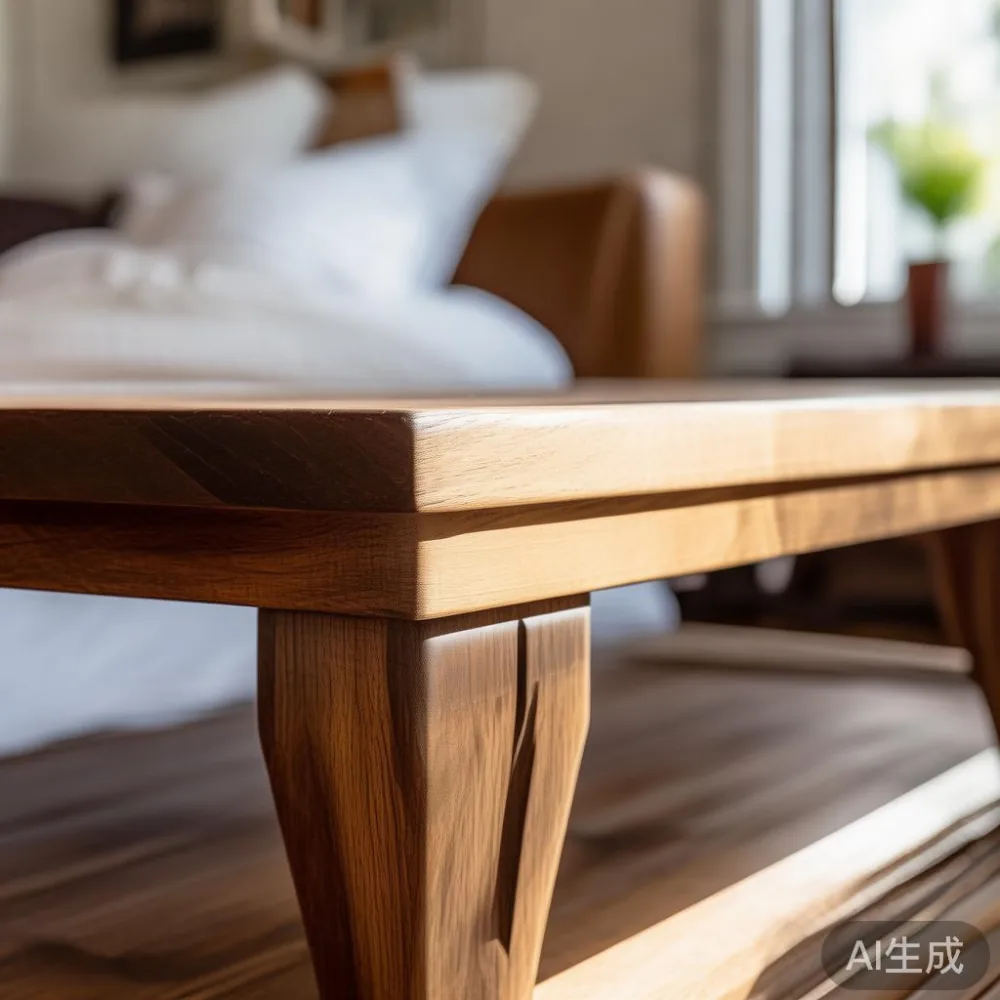
Veneer has real advantages. It can provide a consistent decorative grain, often costs less per square centimetre and may weigh less than a thick solid-wood construction. European oak veneer and walnut veneer can also imitate expensive timber convincingly. Its weakness is that the decorative layer is only 0.6 mm in my example. Once that paper-thin surface is deeply scratched, peeled or exposed to moisture, a complete reskin may cost more than many buyers expect.
Solid wood behaves differently. The 20 mm rubberwood board in my example has material that can be sanded and restored rather than resurfaced. Its grain and small movements may become more noticeable, and a heavy tabletop can be harder to carry, but the structure can tolerate a longer useful life if it is treated sensibly. The warranty offered by MIDHILL is 10 years for structural issues, compared with the much shorter practical life I would assign to an unsupported veneer panel after repeated chipping.
How much will each coffee table cost during normal Singapore use?
I calculated a modest care allowance of S$150 over 5 years for the veneer table and S$80 for the solid-wood table. The veneer allowance covers one probable repair kit, polish and a small replacement of felt pads. The solid-wood allowance covers an oiling session, replacement pads and one minor scuff repair. Neither allowance includes a complete replacement after water damage, severe impact or an accidental fire.
For daily coffee-table use, the veneer table could incur about S$30 per year in consumables. The solid-wood table could average S$16 per year. These are planning figures rather than quotations. Singapore humidity commonly ranges around 65–85% through the year, so owners should keep tables away from air-conditioning vents and persistent dampness even when the material is well finished.
Delivery is another variable that can erase part of the initial saving. A 120 × 60 cm table weighing 18 kg is manageable, but a 24 kg solid-wood table requires two people for stairs and lifts. I estimate S$45 for a straightforward local delivery of the veneer model and S$75 for the solid-wood model. A difficult HDB move involving a lift renovation, a narrow corridor or more than 15 flights of stairs could add S$60–S$180. Mid-year festive and renovation demand can also affect scheduling, with a delivery lead time of 7–14 days being sensible to plan.
Assembly is relatively minor. Flat-pack hardware and a 30-minute setup might bring the veneer table to S$313 before GST. The solid-wood table, with two people and 45 minutes of assembly, could bring the installed figure to S$827. Over 5 years, those estimated totals are S$1,083 and S$1,607 respectively, before optional refinishing. The difference is S$524 in the example, or about S$8.73 per month.
Those numbers show why material choice should be judged by use, not prestige alone. A family using the table for mugs, laptops and snacks may accept light scratches on veneer. A household that resells HDB flats, hosts guests frequently or intends to keep a console table for a decade may gain more from a repairable solid-wood structure. When comparing options for sale Modern furniture listings, look for the exact board thickness, core material, warranty terms and refinishing service rather than relying on the word “wood” alone.
Which option wins when replacement and resale value are included?
If the veneer table needs one replacement after year 4, and a comparable replacement costs S$300 including GST and delivery, the 5-year veneer total becomes approximately S$1,383. The solid-wood table remains around S$1,607 unless refinishing is required. In this scenario, the veneer route is still lower by S$224, although the margin is much smaller than the initial S$469 material difference suggested.
That replacement scenario is plausible if a child spills water, a castor punctures the board or the thin veneer lifts along an edge. It is not automatically guaranteed. Many veneer tables survive 5 years with cosmetic wear. The more important distinction is flexibility: a solid table can often be restored after damage; a veneer table may need a new facing or a new table.
Resale value should be treated cautiously because no furniture brand can promise a fixed resale figure. Furniture that is clean, structurally sound and stylistically adaptable generally attracts more interest. A solid-wood coffee table in oiled oak, walnut or rubberwood can remain usable in French light luxury, American light luxury and post-modern light luxury interiors. Veneer can suit the same styles, but visible lifting, patchy colour or mismatched grain can reduce buyer confidence.
A 5-year holding period also makes “cost per usable year” useful. If the veneer table provides good service for 4 years, its estimated cost is S$270.75 per usable year before resale credit. If the solid table lasts 10 years, the estimate is S$160.70 per year. If the solid table remains for 15 years, it falls to about S$107.13 per year. The longer the ownership period, the more value repairability creates.
Can a solid-wood coffee table fit a small HDB or condo living room?
Yes, if size is matched to circulation rather than chosen from photographs alone. In an HDB living room with a 2.1 m sofa, a 90 × 50 cm table can leave roughly 50–60 cm between the seat front and table edge. A 120 × 60 cm table may still work in a 2.7–3.0 m room, but it should be checked against the sofa arm and the main walking route.
My test table measured 120 × 60 × 42 cm. Its 24 kg weight helped it feel stable, yet that same weight made two-person handling necessary. The 90 × 45 cm version would weigh roughly 15 kg and might suit a compact Bedok flat. For narrow condo corridors, check the packaged width before booking delivery: a 70 cm box can pass through many lift doors, but tight turns and mirrored surfaces still need inspection.
Choose a shape based on the room. A 100 × 55 cm oval or round top can preserve movement in a Punggol family room, while a rectangular 130 × 70 cm model suits a larger condo with a generous sofa arrangement. Clearances of 35–45 cm are practical around most coffee tables; 30 cm is possible in a compact room, although people may brush the edge when sitting.
One useful comparison is European sofa vs Mid-century modern sofa. A slim European sofa may support a clean rectangular table with straight lines, while a rounded Mid-century modern sofa often pairs well with softened edges. The same principles can inform how to style European light luxury bed in apartment layouts, although a bed frame needs different clearances from a coffee table. Italian light luxury for dining room ideas can also borrow the proportion logic: restrained shapes, warm grain and one controlled material palette usually work better than several competing finishes.
Height should be checked as carefully as width. A 40–45 cm coffee table suits most 42–45 cm sofa seats. Lower sofas may require a 35–38 cm table. For solid-wood sofa and bed frame shoppers, a low, broad design can visually connect the room without narrowing it. This is particularly relevant when looking for French for small living room solutions, where a 90 cm table, raised tray or nesting pair can preserve useful floor area.
How much does maintenance change the 5-year calculation?
Maintenance can be inexpensive if it is planned. Dust the top weekly with a soft cloth. Clean spills immediately rather than waiting for them to dry. Use coasters and avoid placing hot ceramic dishes directly on the surface; a 70°C cup can leave a mark on some clear-coat finishes. A silicone mat under a table lamp is sensible because repeated heat can amber a clear finish.
For veneer, keep the humidity in mind and never use a soaked cloth. A lightly damp cloth followed by a dry cloth is enough for routine cleaning. If the veneer lifts, do not glue it blindly from the visible side. The core may have separated, and a professional repair should be quoted. A replacement facing can cost S$120–S$350 depending on access, matching and the technician.
For solid wood, oil or manufacturer-approved care products may be needed every 12–24 months. Sanding should stay shallow: removing 0.5–1 mm during a careful refinishing job is usually safer than aggressive work. This is where MIDHILL’s lifetime refinishing policy has practical value for a table expected to remain in use beyond 5 years. A refinishing service can restore the surface without buying a new table, provided the customer follows the care and warranty conditions.
Minor assembly checks are also worthwhile. Tighten the bolts after the first week and again after 3 months, then once a year. Check that wall restraints are secure where children use the table. For a marble table, the comparison is different because marble adds weight, needs particular care around acids and may be vulnerable to chipping. A 120 × 60 cm marble slab can weigh 45–70 kg depending on thickness, so delivery can cost S$100–S$220. A solid-wood table generally gives a better balance of weight, warmth and repairability for the same footprint.
What should a Singapore buyer ask before ordering?
Ask whether the table is solid wood throughout or only partly solid, whether the surface is veneer, how thick the top is, and what the structural warranty covers. “Solid wood construction” can describe legs and frames while the top uses another material, so written specifications matter. Confirm whether the warranty covers warping, joint failure and delamination, and whether refinishing labour is included or charged separately.
Ask for the packaged dimensions and weight, especially in an HDB high-rise. Measure the lift door, cabin depth, landing and staircase turns. Confirm the delivery window, stair-carry fee and whether the assembly team will remove packaging. MIDHILL provides free shipping on orders over US$350, a 14-day return period and a 10-year structural warranty; these terms should be checked against the selected product, destination and current quotation.
Finally, compare cost per month rather than purchase price alone. At a S$752.10 GST-inclusive price, the solid-wood table in this example averages S$12.54 per month over 5 years before care and delivery. The veneer table averages S$4.72. The solid option costs more each month, but it may absorb scratches, movements and several tenancies better. The better choice is the one whose construction matches the room, the household’s handling habits and the length of time the table is expected to remain in use.
Is solid wood worth paying more for a coffee table in Singapore?
For a frequently used coffee table expected to stay for 5 years or longer, solid wood often offers the stronger long-term proposition. In this comparison, the estimated 5-year cost including modest care and delivery is about S$1,083 for veneer and S$1,607 for solid wood. The solid table costs approximately S$524 more, but it can be refinished rather than resurfaced and may remain useful for 10–15 years.
Veneer can still be the rational choice for a temporary home, a low-traffic sitting room or a buyer who prefers a lower starting outlay. The decision becomes clearer when every realistic cost is visible: GST at 9%, delivery to the block, stairs, care, expected repair and the resale year. In light-luxury interiors, solid wood’s tactile grain and repairability also support the look of a well-made solid wood sofa, dining table, wardrobe or nightstand. The right coffee table sg choice is therefore practical: measure the room, understand the core construction and buy for the years ahead, not only the handover day.