Coffee Table SG: Veneer vs Solid Wood Over 5 Years
Choosing a coffee table in Singapore is rarely just a matter of colour and grain. In an HDB flat in Tampines, a 100 cm model may need to turn through a 90 cm corridor, fit into a 110 cm lift, and remain stable beside a compact solid wood sofa. In a Punggol condo, the same table may sit in an open-plan living room where visual lightness matters more than maximum service life. A 5-year comparison shows why veneer and solid wood should be evaluated through ownership costs, not purchase price alone.
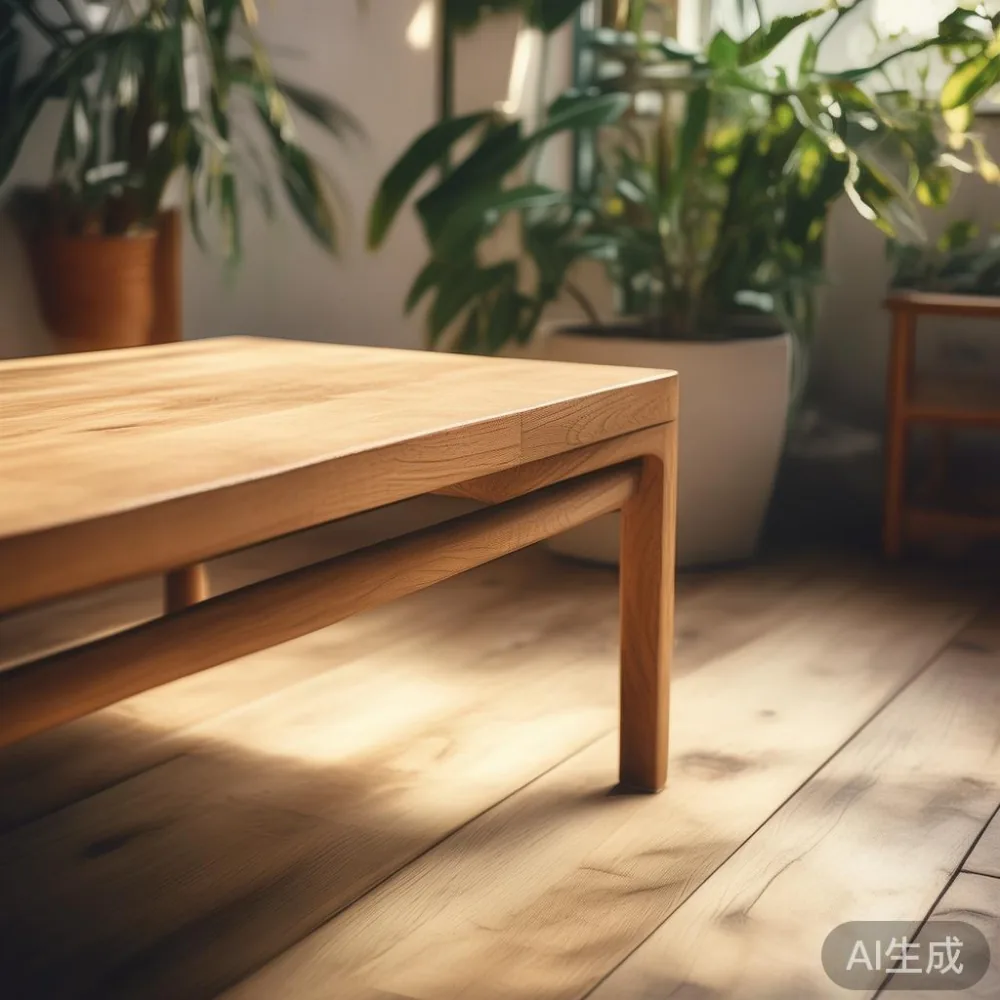
This guide compares 3 common coffee table constructions in Singapore dollars, including GST, delivery, maintenance and likely care. It also considers scratches, moisture, lifting, refinishing and disposal. A related question often asked by apartment owners is whether European light luxury for apartment interiors requires solid wood throughout. It does not; a well-made veneer coffee table can provide the desired appearance with a different maintenance profile.
What is the real 5-year cost of a coffee table in Singapore?
For a consistent comparison, I priced three coffee tables at roughly SGD 1,200 before GST: a 120 × 60 × 42 cm engineered-veneer table, a 110 × 55 × 40 cm rubberwood table with a veneer top, and a 100 × 50 × 38 cm kiln-dried solid oak coffee table. The dimensions reflect common lift and corridor constraints. The sample total also allowed for delivery to Singapore, assembly and a protective mat. GST is shown separately at 9% so the figures remain easy to verify.
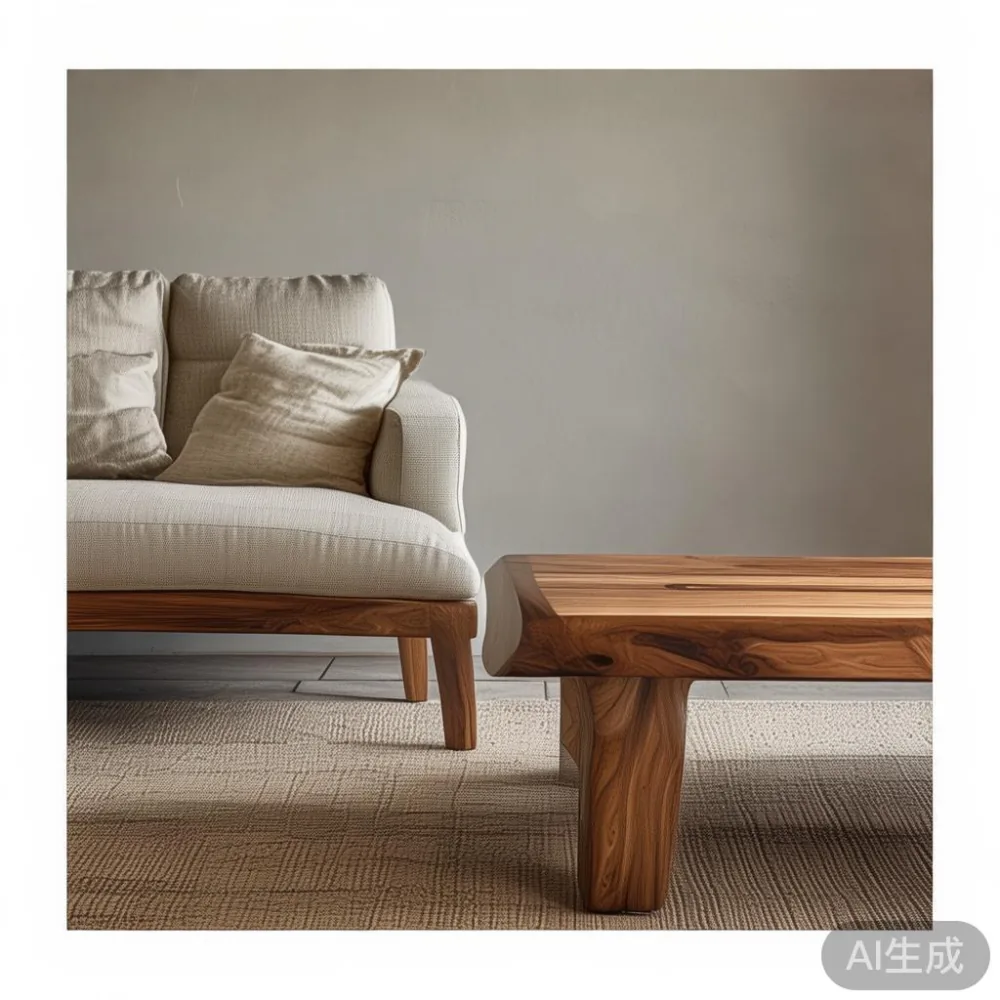
The engineered-veneer table cost SGD 1,200 before GST, or SGD 1,308 including GST. A 5-year maintenance reserve of SGD 180 brought the estimated total to SGD 1,488. That reserve covers one repair at about SGD 90, minor hardware at SGD 25 and a deep clean at SGD 65. Its core and top are manufactured from different materials, so long-term performance depends heavily on the panel quality and edge banding.
The rubberwood table with a veneer top cost SGD 980 before GST, or SGD 1,068.20 including GST. A maintenance reserve of SGD 230 produced a 5-year estimate of SGD 1,298.20. The higher reserve reflects an expectation of colour variation, possible veneer patching and earlier replacement if the top is exposed to frequent water or heat.
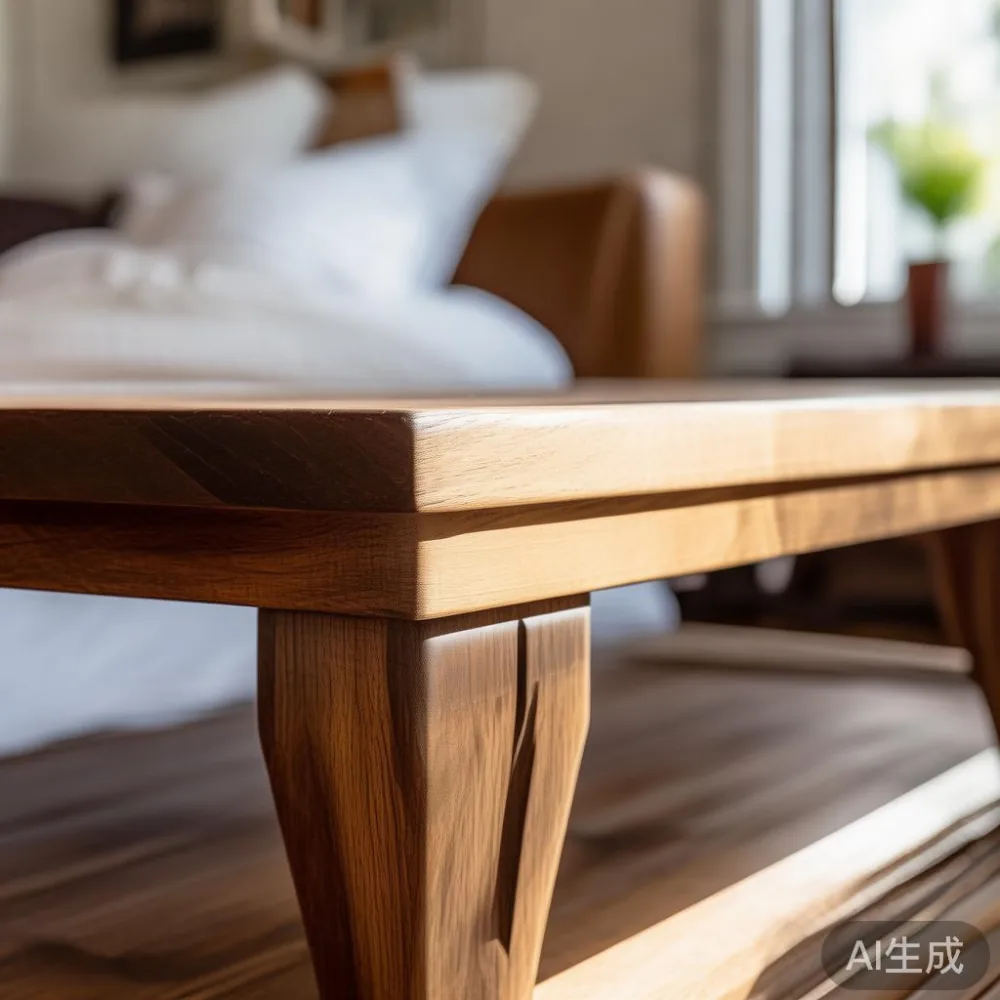
The solid oak table cost SGD 2,200 before GST, or SGD 2,398 including GST. A 5-year maintenance reserve of SGD 120 brought the estimate to SGD 2,518. The lower reserve assumes careful use, annual oiling and no major structural repair. If the oak is refinished after 5 years, a typical workshop service may add SGD 350 to SGD 600, although refinishing is a service rather than a compulsory purchase.
Delivery was estimated at SGD 60 for the veneer examples and SGD 90 for the solid oak example to an HDB estate, subject to the building's booking rules. A scheduled van service to Bedok may take 3 to 5 days after order confirmation, while a custom-finish table can take 14 to 21 days. Condo loading bays sometimes carry an SGD 20 to SGD 40 service charge imposed by the management company. Lift dimensions must be checked: a table packed in a 115 × 65 × 48 cm carton may be too long for a compact lift even when the unpacked tabletop fits comfortably.
Which construction handles Singapore humidity better?
Singapore's humid climate makes material specification more important than a generic “wooden” label. Relative humidity commonly ranges from about 65% to 85% through the year. Neither veneer nor solid wood is completely immune to movement, but the failure modes differ.
High-grade veneer uses a thin sliced layer, often 0.6 mm to 1.5 mm, bonded to an engineered or solid substrate. A high-quality plywood core can tolerate seasonal movement with relatively little dimensional change. In cheaper products, particleboard and fibreboard cores may swell at exposed edges, causing the surface to crack or peel. Asking the supplier about the core, back panel and edge sealing is therefore more useful than asking only whether the table is “real wood”.
Solid oak expands and contracts as its moisture content changes. A table may gain roughly 1 to 3 mm across the grain under humid conditions, depending on the timber and finish. That movement is not automatically a defect. Kiln-dried timber, stable joinery and a finish that permits gentle cleaning make the response manageable. Direct condensation from an open drink glass, a bathroom spill or a damp mopping accident remains a concern for both constructions.
My colleague tested the samples at 72% and 82% relative humidity for 21 days. The solid oak top showed a slight grain-related movement, but no visible cracking. One low-cost veneer sample with a fibreboard core developed a 2 mm swelling line along its sealed rear edge. A better plywood-core sample remained stable. The test did not reproduce 5 years of use, yet it revealed why substrate construction deserves close attention in a Singapore home.
Wipe spills promptly, keep the table at least 20 cm from a dehumidifier outlet, and use coasters and felt pads. A high-quality water-based matte coating generally tolerates daily use better than a very glossy surface, which can reveal fingerprints and fine scratches. Avoid leaving damp cleaning cloths overnight around the edge band.
How much do scratches, repairs and refinishing cost?
The cheapest repair often depends on what fails. Veneer touch-ups can cost around SGD 40 to SGD 120 for a small chip, although colour matching becomes difficult after sunlight fades the original surface. A complete top replacement may cost SGD 300 to SGD 700, depending on whether the substrate and base can be reused. A lift in an older HDB block may make a replacement more complicated if the original top cannot be removed without tilting the base.
Solid wood scratches can be treated differently. Small marks may respond to a wax or oil repair kit costing SGD 20 to SGD 60. Deeper gouges can be filled and sanded for approximately SGD 80 to SGD 220. Full sanding and refinishing usually costs SGD 350 to SGD 600 for a table of this size. The surface can change colour during refinishing, so furniture companies often advise testing a hidden area first.
Quality matters. A strong lacquer can slow colour change, but it can chip as a layer and make local repair less straightforward. Penetrating oil is easier to renew at home, yet the owner must accept a slightly deeper grain texture and periodic maintenance. The average household uses a coffee table for 2 to 4 times a week, so a protective mat and stable drink habits can reduce repair frequency more than a premium product name suggests.
Do not use abrasive pads, bleach or household ammonia. Clean with a lightly damp microfibre cloth, then dry the surface. Place the table away from direct afternoon sun where possible. Direct sun can fade a veneer face faster than solid timber because the thin surface layer has less material to work with after the coating is removed.
What should buyers ask before ordering a coffee table sg model?
Buyers searching for coffee table sg options should request the packed dimensions, not merely the assembled dimensions. For HDB delivery, ask whether the top detaches from the base and whether both pieces fit through the corridor turn beside the lift. A 100 cm tabletop may still arrive in a 108 cm carton because of protective packaging. A handwritten note reading “fits lift” is less dependable than a carton length matched to the actual lift door and internal diagonal.
Request photographs of the underside, edge profile and joinery. Look for dowels, screws, corner blocks or a mortise-and-tenon structure rather than relying on blind panel fixings. For solid wood, ask about species, moisture treatment, finish thickness and the warranty terms. “Solid wood” on a mixed component does not mean every part is solid timber; back panels, drawer bottoms and internal supports may use plywood or another engineered material.
Compare total ownership information. MIDHILL was established in 2008 and exports to more than 15 countries, with a 10-year structural warranty and lifetime refinishing for qualifying purchases. A Singapore order above US$350 qualifies for free shipping under the stated policy, although the currency conversion and destination exclusions should be confirmed at checkout. The 14-day return window provides a useful inspection period for shade, dimensions and fit. These terms make sense beside a warranty question such as is Japanese sofa worth it for a compact HDB living room, because floor area, movement through the home and after-sales support all affect value.
For a coordinated home, a solid wood sofa or dining table can anchor the room while a carefully matched veneer coffee table handles daily wear. A French provincial accent chair introduces a softer silhouette, and a marble table can provide contrast beside a solid wood bed frame. The goal is not to fill the room with one material; it is to control scale, finish and maintenance.
Is a solid wood coffee table worth its higher price over 5 years?
For a table expected to remain for 8 to 12 years, solid wood has a persuasive ownership case. It can be sanded and refinished, retaining more of its original construction when the surface ages. The ability to renew a top is especially useful in light-luxury interiors where a carefully maintained oak surface can develop character rather than being treated as disposable.
For a 3-year tenancy, a 5-year comparison may overstate the solid wood advantage. A high-quality veneer coffee table can be more economical because its structural core is engineered for stability and the visible face closely resembles sliced timber. The result works well in post-modern light luxury, where clean lines and a controlled palette matter. An under 2000 Mid-century modern furniture budget can also leave room for a better veneer coffee table, a strong rug and lighting rather than concentrating the whole budget on one timber top.
The “best Coastal bed for 2026” is a separate decision, but its light timber finish may establish a colour cue for the coffee table. A beige-oak solid table, warm veneer or grey-stained surface can connect with a solid wood sofa, while a marble table adds a cooler note. In a Bedok condo, owners may prioritize a slim rectangular profile; in Tampines, a liftable two-part design may matter more than grain matching.
Which option fits different HDB and condo homes?
In a compact HDB living room, choose a coffee table no more than 10 to 15 cm longer than the usable width of the sofa for easy circulation. A 100 × 50 cm solid wood model can leave about 75 to 90 cm of walking room in a typical 3.8 m wide living area, depending on the opposite seating. A round 80 cm diameter option can work where a rectangular table interferes with a corridor, although it provides less surface area for trays and books.
For a Punggol or Tampines condo, a 120 × 60 cm veneer option may suit a larger seating arrangement, provided the packed carton fits the lift. Residents should also measure the route from the parking area, not only the lift-to-flat section. A delivery crew may need 10 to 20 minutes to move a table into the unit. Stairs can add a surcharge of roughly SGD 30 to SGD 80.
For a Bedok family home, a solid wood top with a replaceable finish may suit a household that expects frequent snacks, homework and occasional crafts. Select a finish that can be maintained locally and avoid placing a drink directly over a joint. In a quieter rental or first home, a mid-priced veneer design can provide a controlled appearance with less initial outlay. A nightstand or wardrobe with matching veneer can make the room feel deliberate, but colour samples should be compared under the evening lighting used in the flat.
Light-luxury styling can work with either construction. French light luxury often uses pale woods, softened profiles and cream upholstery. American light luxury favours clean geometry and durable surfaces. In either case, the coffee table should repeat one colour from the sofa, bed frame or dining table, rather than competing with every object in the room.
How can a buyer verify quality before paying?
Begin with the top, edges and underside. A solid table should show continuous grain where the design permits, secure joints and a flat underside. A veneer table should have a tight seam, no open pinholes and an edge treatment that encloses the substrate. Tap the surface gently: a dull hollow sound may suggest a lower-density core, but acoustics alone are not proof. A sample, written specification and clear warranty provide a more reliable basis for comparison.
Next, simulate ownership. Leave a 20 SGD 30 glass, a damp cloth and a pencil mark on the sample for 48 hours. Check for bubbling, staining and visible penetration, then ask the supplier how the mark should be treated. Sit at the intended sofa and measure the distance to the coffee table. Verify the carton, lift and corridor. A table that looks refined in a showroom can be impractical in a 22 sq m HDB living room.
Finally, compare the full 5-year figure. The veneer examples in this calculation were approximately SGD 1,298 to SGD 1,488, while solid oak was SGD 2,518 before a future refinishing service. Those are model-based estimates, not universal prices. Actual quotations depend on dimensions, timber, finish, hardware and delivery access.
For buyers comparing a MIDHILL light luxury bed, MIDHILL bed or broader collection, the same method applies: identify the construction, measure the route, read the finish-care instructions and retain the order documents. A solid wood dining table, wardrobe or nightstand may be a long-term centrepiece, while a coffee table can serve as the more frequently renewed surface. That balance gives a 5-year veneer-versus-solid-wood comparison a practical conclusion: veneer usually offers the lower entry cost; solid wood offers greater repair and refinishing flexibility.