Singapore Coffee Tables: Veneer vs. Solid Wood 5-Year Comparison
A coffee table sits in almost every HDB flat and condo, yet its material choice affects more than the purchase receipt. Veneer can deliver the pale oak, walnut, or French light-luxury finish seen in showrooms at a lower entry price. Solid wood offers thicker edges, repairable surfaces, and a longer service life, but the comparison becomes clearer when measured across 5 years rather than one shopping trip.
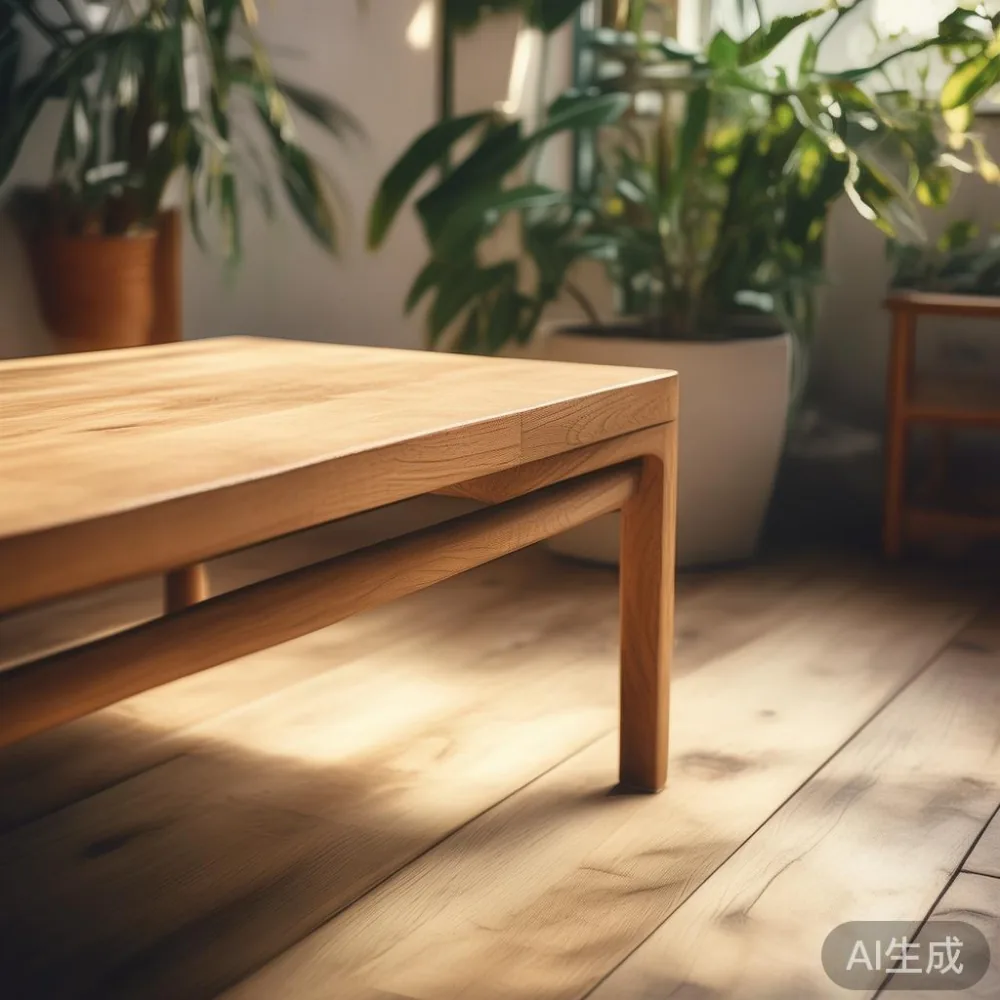
This guide uses Singapore pricing in SGD, includes 9% GST, and assumes a 120 cm by 60 cm coffee table weighing about 25–35 kg. Actual quotations vary by timber, design, access, and delivery location. The figures are planning estimates, while the material risks discussed below matter for Tampines, Bedok, Punggol, and other high-rise homes.
What does a veneer coffee table cost compared with solid wood?
For this comparison, a mid-range veneer coffee table sg purchase is estimated at SGD 420 before GST and SGD 458 after GST. A comparable solid-wood model is estimated at SGD 780 before GST and SGD 850 after GST. The opening difference is therefore SGD 392.
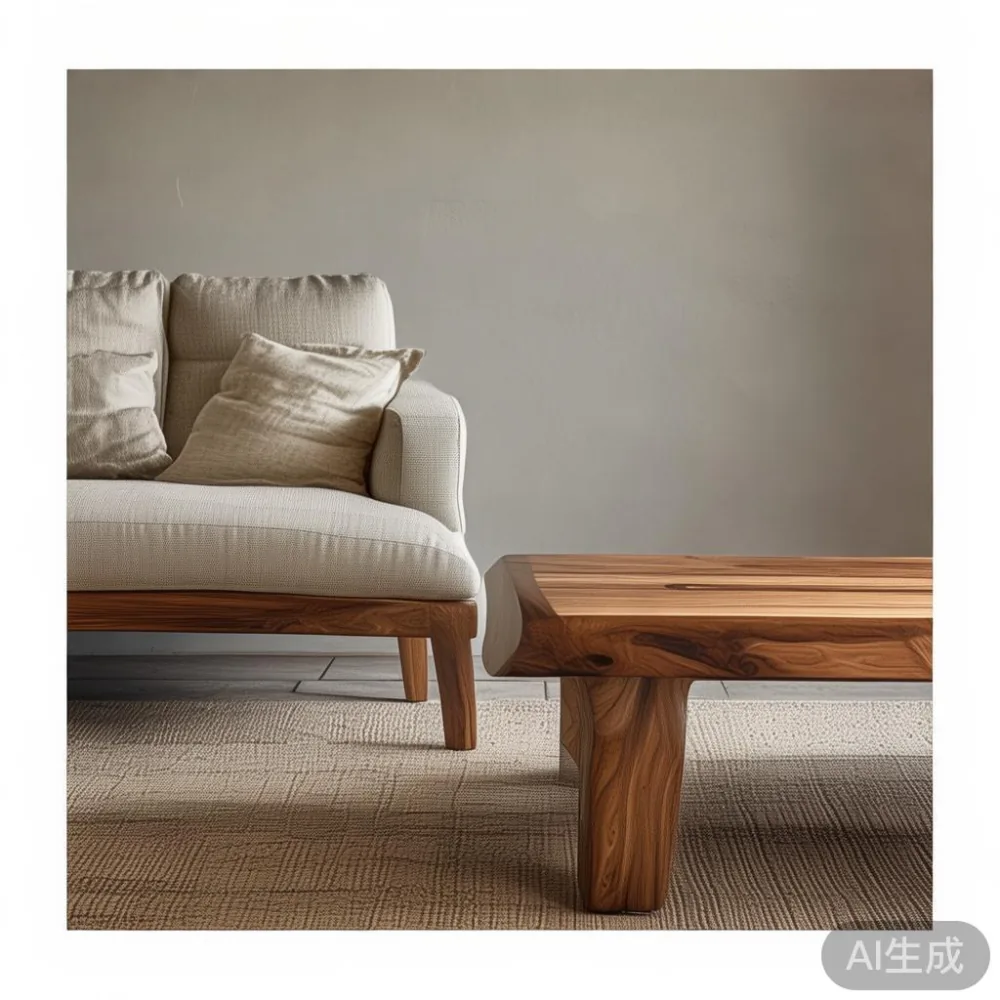
Across 5 years, simple annual ownership cost is purchase price divided by 5. The veneer table gives an indicative cost of SGD 91.60 per year, while the solid-wood table gives SGD 170.00. Those figures exclude electricity, unused space, and maintenance done by the owner. They are useful because they put replacement or depreciation planning on the same basis.
Material construction changes the quotation. A 25 mm veneer-and-plywood table may weigh 24 kg and use an MDF or plywood cabinet body. A 40 mm solid oak table may weigh 34 kg. The heavier design has greater material volume, more finishing surfaces, and usually a higher packing cost.
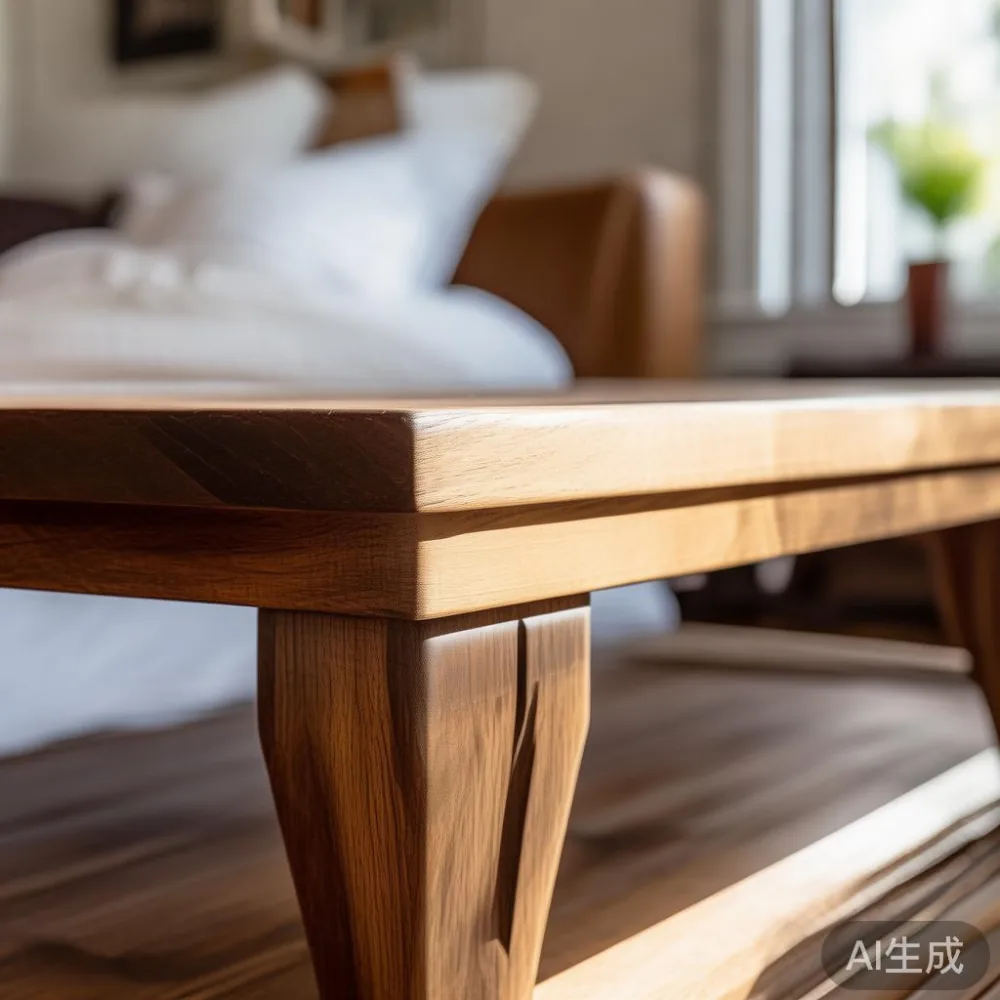
The exact phrase “coffee table sg” is naturally associated with online Singapore suppliers, but a low online price may not include stair carrying, lift reservation, or assembly. Ask for the complete delivered quote before comparing finishes.
How should a Singapore buyer calculate the 5-year cost?
Begin with the invoice total, not the displayed price. Then add delivery, carrying, assembly, expected refinishing, and likely repairs. Subtract any realistic resale value if the table may move within 5 years.
Our planning example uses these assumptions:
- Veneer table: SGD 420 before GST, 24 kg, delivered for SGD 45, no charge for normal lift delivery, and SGD 120 total spent on 2 minor repairs during 5 years.
- Solid-wood table: SGD 780 before GST, 34 kg, delivered for SGD 75, and SGD 60 spent on 1 waxing treatment during 5 years.
- Lead time: allow 14 days for a standard local stocked model, 21–35 days for a made-to-order finish, and 35–50 days for a custom solid-wood size.
- Access window: reserve a common lift for 1 hour on the delivery day.
With GST, the veneer scenario is SGD 458 plus SGD 45 delivery plus SGD 120 repair allowance, or SGD 623 over 5 years. The solid-wood scenario is SGD 850 plus SGD 75 plus SGD 60, or SGD 985. Direct 5-year cost is lower for veneer by SGD 362, or about 37% of the solid-wood total.
However, cost per year is only one measure. If a solid-wood table is refinished rather than replaced, its usable life can exceed 10 years. At year 5, the owner may still hold an asset with useful value. A veneer top that has swollen or chipped may have fewer practical recovery options.
Why do HDB and condo access details change the real price?
A 120 cm table is easier to manage than a 180 cm one, but the route matters more than the online product photo. Some older lift cars measure about 100–110 cm internally, with door openings near 80–90 cm. A boxed table wider than 90 cm may not pass upright and could need tilting. The carton dimensions for the solid model may be 128 by 68 by 48 cm, compared with 126 by 66 by 22 cm for veneer.
Last month I visited a client in Punggol and watched a 34 kg solid-wood coffee table move from the van into a common corridor. The lift was usable, but the turning clearance outside it was only about 82 cm. Two movers needed 6 minutes to rotate the carton through the lobby without touching the walls. The booking window used 45 of the reserved 60 minutes.
By contrast, a 24 kg veneer package in the same block moved through in about 3 minutes. At Bedok, stair carrying for a 3rd-floor walk-up would change the totals quickly. A two-person stair carry might cost SGD 120–180, while a lift-included delivery is often SGD 40–80.
For an HDB flat, measure the lift door, internal car dimensions, landing corners, and the narrowest corridor segment before ordering. For a condo, check booking rules, loading-bay hours, service-lift reservations, and any protective flooring requirements. These details can add SGD 0–180 to either material scenario.
What moisture and finish risks should you budget for in Singapore?
Singapore’s humidity generally stays high, and air-conditioning creates frequent surface moisture changes. A quality product still needs sensible care. Keep the coffee table at least 45 cm from a wet kitchen or bathroom, away from direct air-conditioning vents.
Veneer is a real wood layer, commonly around 0.6–1.2 mm on a plywood or MDF core. Its attractive face can scratch, split at an edge, or darken after water exposure. If the core swells, the thin surface may cup or delaminate. Budget SGD 40–120 for minor filling or polishing and SGD 180–350 for a more involved top repair. A full replacement is harder to justify after only a few incidents if the cabinet body is sound but the top has distorted.
Solid oak, ash, or teak-style hardwood construction gives more material to sand and refinish. Coffee rings may still appear. Heat exposure from a mug at 60°C can dull the finish, and a dragged metal object can scratch the surface. Yet a 34 kg solid top can often be spot-sanded, waxed, or refinished without replacing the whole coffee table.
Allow about 10 minutes of weekly cleaning and 15 minutes every 3 months for veneer care. A solid-wood surface may need 10 minutes weekly plus a 45-minute waxing session every 6–12 months. Over 5 years, 260 ten-minute cleaning sessions remain the same for both options; the difference lies mainly in damage response and refinishing access.
Consider the broader room before buying. A solid-wood sofa will make the table feel grounded, but its warmth should not overwhelm a compact living area. Searches for a Modern light luxury sofa often lead toward low profiles and broad cushions; a pale French light-luxury table can suit that setting. American light-luxury interiors, by comparison, may use stronger grain contrast and darker walnut tones.
When does solid wood earn its higher starting cost?
Solid wood becomes easier to justify when the table is a focal point, the household has children or frequent guests, and the owner values visible material thickness and repairability. A 40 mm top with exposed end grain feels materially different from a 25 mm veneered edge. That difference matters in post-modern light-luxury interiors, where construction can be part of the visual language.
Compare the purchase price with likely replacement cycles. If a low-cost veneer table lasts 3 years before its top is replaced, a second SGD 458 table plus another SGD 45 delivery could occur within 5 years. That produces a 5-year replacement total of SGD 503, excluding repairs. If it lasts the full period, the original SGD 503 delivery-inclusive cost is lower.
Solid wood’s advantage is flexibility rather than a guaranteed outcome. A table purchased at SGD 850 after GST may still be usable after 5 years and could receive another surface treatment. That does not guarantee a resale price; condition, design, and market demand still matter. It does, however, avoid treating every deep scratch as the end of the product.
Design also affects compatibility with other solid-wood furniture. A matching dining table, bed frame, wardrobe, or nightstand can create a coherent material story. For compact rooms, a 100 by 50 cm coffee table preserves circulation better than a 140 by 70 cm model. Check that the long side leaves at least 75–90 cm for a main walking path where possible.
Which material suits different Singapore homes?
Choose veneer when: the budget is firm, the table will sit in a dry living room, and the homeowner accepts a replacement if the thin face is badly damaged. The lighter package also suits upper-floor lifts with narrow turning space. A 110 by 55 cm veneer table may weigh 18–22 kg and fit a compact HDB living room more easily.
Choose solid wood when: the table receives heavy use, the edge will be handled often, repair history matters, or the surface is intended to age visibly. A 120 by 60 cm oak model weighing 30–34 kg can serve as a practical centre table without becoming a room obstruction.
For a Japandi apartment, pale solid timber and restrained proportions can create calm. When working out how to style Japandi sofa in apartment layouts, keep the coffee table low and simple so the seating remains the main focus. Pale veneer can imitate this effect, though maintenance expectations should be clear.
Office projects need a different comparison. The phrase Italian light luxury for office describes an aesthetic direction, not proof of Italian manufacture or a particular timber origin. For executive reception furniture, inspect joinery, finish consistency, load capacity, cable clearance, and actual material layers. A heavy table may look impressive but create an awkward circulation pinch point beside office seating.
Are there design and category differences that affect resale value?
A neutral rectangular design usually ages more easily than a highly specific shape. Rounded corners reduce visible edge damage, while straight slabs display craftsmanship and wear. A useful coffee table sg comparison should therefore match dimensions, function, and finish quality before comparing timber labels alone.
Other furniture categories can distract from that comparison, so keep the test centered on the coffee table. A solid wood sofa can frame the room, a bed frame can establish timber colour, and a wardrobe may consume the same wood tone across a home. None should be used to claim a coffee table is automatically more valuable. A marble table also behaves differently because its surface is non-wood and its edges can chip independently.
Consumer questions often shift from wood to furniture nationality. Asking “is European sofa worth it” is less useful than checking frame material, foam density, fabric specification, warranty, and local service. Comparing a Japanese sofa vs Modern sofa by label alone misses the same point. The question “European light luxury sofa vs Italian light luxury sofa” likewise needs measurable construction details, not only visual style.
For the coffee table, request a material sample at least 10 by 10 cm. Inspect end grain, veneer seams, underside labels, drawer or shelf construction, and finish sheen under daylight. Confirm the warranty in writing and keep the invoice for at least 5 years.
What should you ask before paying for a coffee table?
Ask whether “solid wood” applies to the top, frame, legs, drawer interiors, and back panel. Some models combine solid timber with engineered components. Ask for total dimensions, unboxed weight, carton dimensions, finish type, moisture precautions, care instructions, and expected delivery time.
Confirm whether delivery includes GST, lift booking, carrying to the door, unpacking, and assembly. For this estimate, MIDHILL quotes solid-wood and veneered furniture with clear specifications rather than vague material claims. A 10-year structural warranty is separate from accidental damage and ordinary finish wear.
Singapore buyers also have the 14-day return framework relevant to online purchases, but different product categories and condition rules can apply. Check the seller’s stated procedure before arranging removal. Keep packaging for at least 7 days where practical because assembly and transport can expose defects not visible on arrival.
MIDHILL’s lifetime refinishing policy is most relevant to eligible solid-wood pieces; customers should confirm scope, exclusions, return freight, and any applicable labour terms before ordering. A warranty can reduce expected ownership risk, but it does not eliminate care costs.
How do you decide using a realistic Singapore budget?
Use three totals: purchase and delivery, likely 5-year maintenance, and expected usability. In the example, veneer costs SGD 503 before repairs, while solid wood costs SGD 925 before care. Add the repair allowance and the totals become SGD 623 and SGD 985.
If the veneer table remains dry, intact, and visually suitable, it is the more direct-budget choice. If you expect to move homes, entertain often, or prefer a thick repairable top, solid wood may justify spending another SGD 362 initially. The important figure is not “solid always lasts longer”; it is whether your use pattern rewards material that can be restored.
For most compact Singapore interiors, a 110–120 cm coffee table offers enough surface for 2 cups, 1 tray, 2 books, and decorative objects while preserving circulation. Check 45 cm minimum clearance from a tightly upholstered solid wood sofa, and 75–90 cm along a main passage where space permits. Verify the finished height at 38–45 cm, which suits most lounge seating.
Measure the route before selecting either material, obtain one delivered quote, and save the finish sample beside your flooring for 24 hours. A cautious decision today can prevent both an undersized lift problem and an unsuitable material choice over the next 5 years.