Coffee Table Sizes for Singapore HDB and Condo Living Rooms
Choosing a coffee table for a Singapore flat is less about copying a showroom arrangement and more about measuring the room, the lift, and the daily route from the kitchen to the sofa. A table that looks balanced in a 60 m² HDB living room can still be wrong if it blocks a corridor, collides with a dining chair, or is too deep for a narrow Tampines or Punggol unit. The right dimensions should support a solid wood sofa without making the space feel compressed.
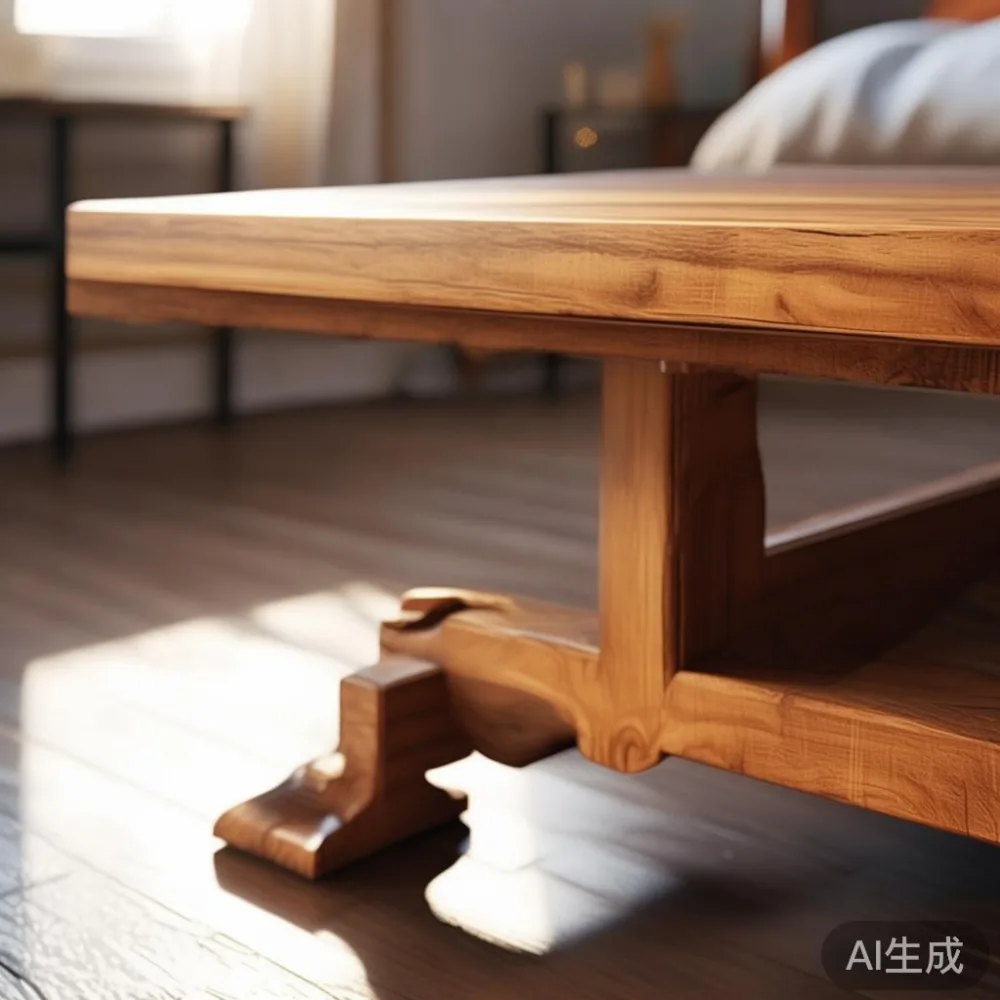
MIDHILL has made solid wood furniture since 2008 and exports to more than 15 countries, so practical sizing and material stability are recurring concerns in our design work. For Singapore customers, the table also needs to suit local conditions: high humidity, compact urban layouts, frequent moves, and HDB corridors where even a few centimetres can matter.
What size coffee table should fit my Singapore living room?
For most compact HDB living rooms, a coffee table measuring 100–120 cm long and 40–55 cm wide is a sensible starting point. A 90 cm table can suit a smaller 2-room or 3-room flat, while 120–130 cm works better with a 180–220 cm sofa. Depth matters too: keep the table roughly 35–45 cm away from the sofa, and leave at least 75–90 cm of walking space between the table and any opposite seat or TV console.
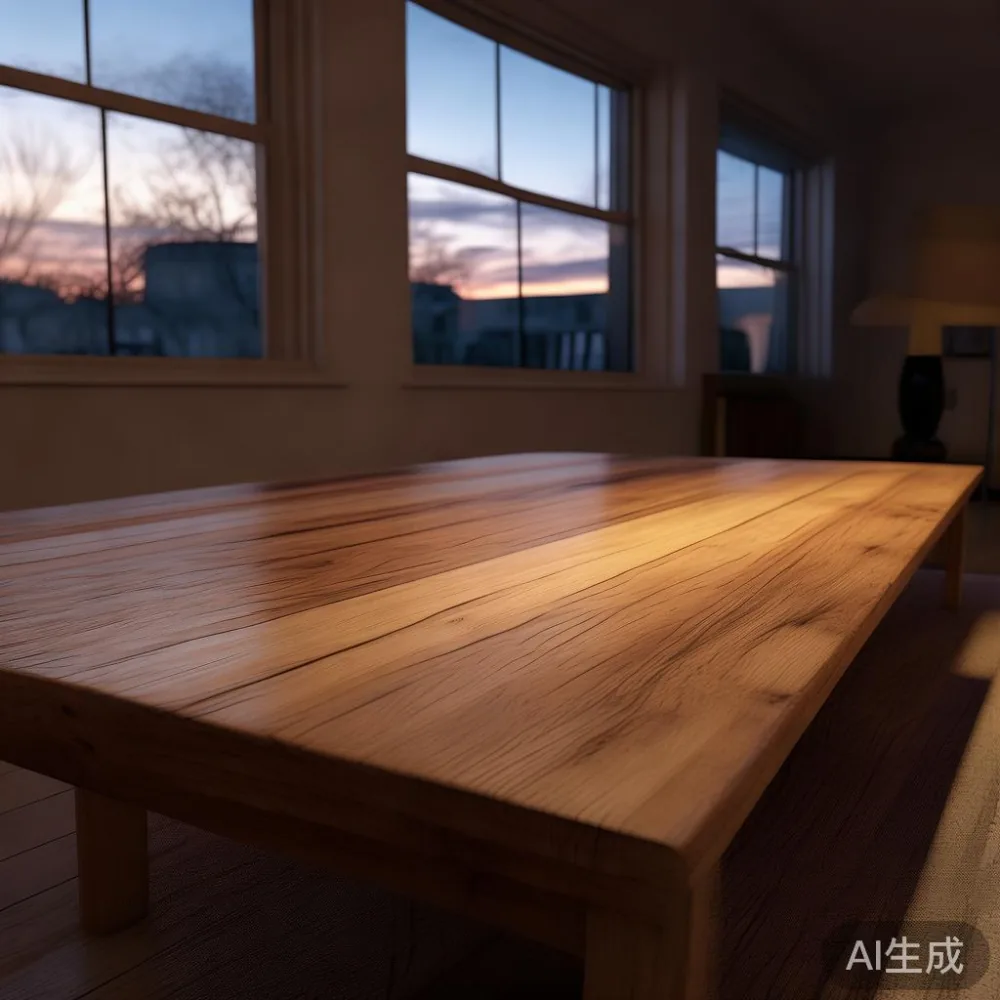
Rather than matching the table exactly to the sofa width, compare the visual proportions. A 200 cm sofa with a 100 cm table usually looks intentional. A 200 cm sofa with a 70 cm table may look undersized, while a 200 cm sofa with a 140 cm table can dominate a narrow HDB room. In open-plan units, the coffee table should also form a coherent group with the solid wood sofa and dining table rather than float between them as an isolated object.
Measure the usable floor area after fixed furniture is installed. Note the television console, side tables, dining chairs, and the route from the entrance to the kitchen. Do not measure only the open rectangle shown in a floor plan. If the table will sit opposite a dining table, preserve about 90 cm of circulation space. If it sits beside a dining chair, allow the chair to pull back by roughly 60 cm without touching the coffee table.
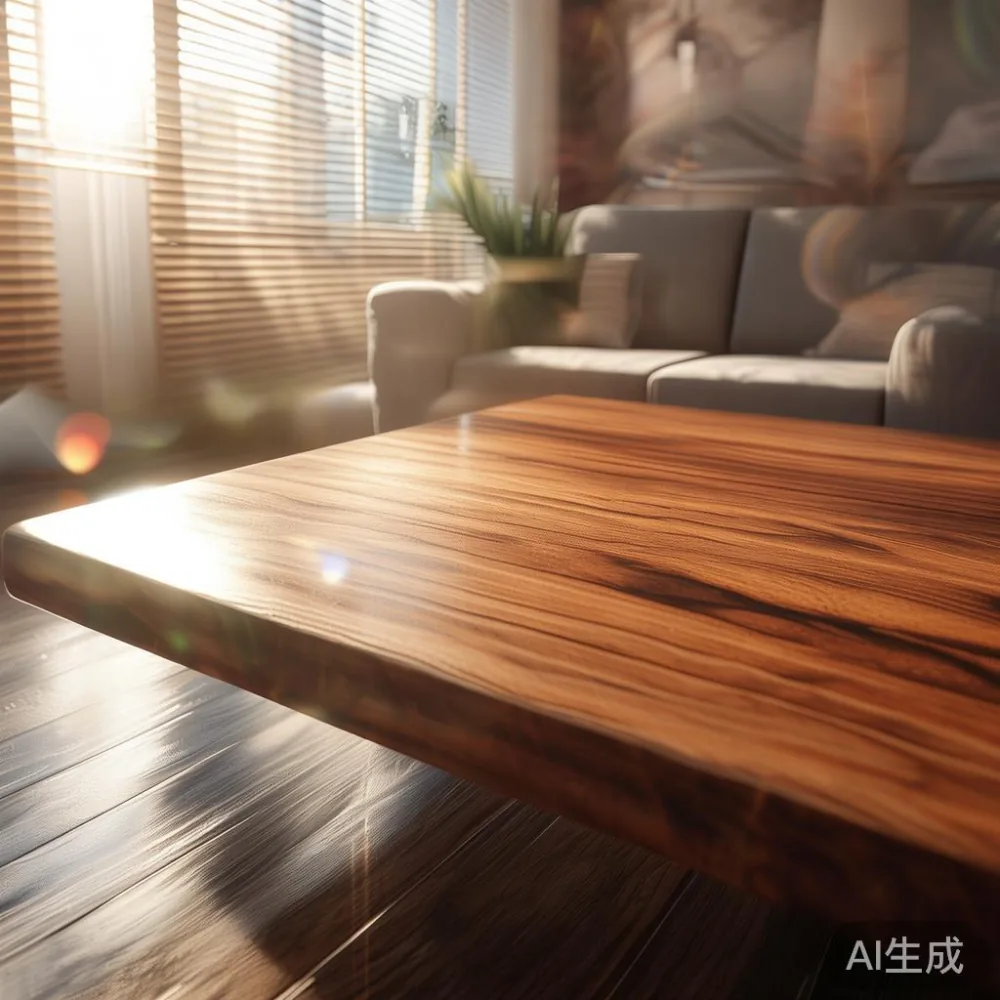
Height should match the seating. A standard coffee table is usually 38–45 cm high, which suits most sofas with seat heights of 40–45 cm. A lower table around 30–35 cm can work with a low-profile solid wood sofa, but it should still be reachable without leaning. Check whether the table will hold a tray, remote control, 2 cups, and a laptop before choosing a narrow top.
How do I measure the sofa and the actual clear space?
Use a tape measure rather than estimating from a photograph. Record the sofa's width, depth, arm height, seat height, and the distance from the sofa front to the coffee table. If the available opening is 90 cm wide, a table wider than 75 cm may leave too little room to walk around one end. If the opening is 120 cm, a table up to 95–100 cm wide can fit with reasonable circulation.
Leave enough space for feet and knees. Around 35–40 cm between the seat front and table edge is comfortable for a standard sofa. The exact gap can be adjusted according to your habits: 30 cm feels convenient for frequent use, while 45–50 cm suits a formal room where the table is mostly decorative. Avoid placing drinks directly over a seat where a leaning guest might brush the tabletop.
For irregular rooms, work with the narrowest point. In many HDB flats, the living room includes a projecting wall, a window ledge, or an air-conditioner box. A rectangular table is usually easier to position than a round one. A round table with a 70–90 cm diameter offers softer circulation around corners and works well beside a curved solid wood sofa, but its diagonal measurement must still fit the clear opening.
I measured a 3-room flat in Tampines last month for a client planning a new coffee table sg. The sofa measured 196 cm, but an angled balcony wall reduced the usable opening to 86 cm. The customer initially wanted a 120 cm table. After checking the route from the HDB corridor into the flat and the lift dimensions, we settled on a 96 × 52 cm solid oak design with rounded corners. It felt generous beside the sofa without obstructing the path to the dining area.
Will a 120 cm table fit through the lift and corridor?
A table may fit the living room but fail to reach it. HDB lift doors are commonly around 80–90 cm wide, with internal cars that vary by block and renovation year. Corridors and overhead void spaces also impose limits. Ask the seller for the table's longest and widest packaged dimensions, plus the weight of the package, before ordering.
For a flat-pack design, compare the assembled dimensions with the packaged dimensions. A 120 cm table that breaks down into two 65 cm sections may be easier to carry than a rigid 120 cm slab, but hardware and assembly still need space. A removable marble table top adds weight and handling risk; a solid wood top may be easier to move as a single manageable component if the weight is suitable.
Weight is especially important for carry-in stairs and older lifts. Keep the coffee table under about 25–30 kg if it must be carried by two people up multiple flights. A lighter table in the 12–18 kg range is easier for one person to manage with proper lifting, although installation can still add difficulty. Do not force a rigid table diagonally into a lift: measure the car depth, door width, and ceiling height first.
Corridor turning space should be checked at the point where the route narrows. In a typical HDB block, the route may include a 90–100 cm corridor, a fire door, and a staircase landing. Keep a margin of at least 5 cm where possible. For condos, ask the building management about delivery windows, lift booking, and protection of common areas. MIDHILL provides a 10-year structural warranty, and its export experience means packed dimensions are treated as part of the product specification rather than an afterthought.
Should I choose round, rectangular, or nested coffee tables?
A rectangular table is the most flexible option for straight HDB sofas and compact rooms. The 100 × 50 cm, 110 × 55 cm, and 120 × 55 cm sizes cover many common layouts. Choose a shallow profile with softened corners if children or elderly family members use the room. A 120 × 60 cm table offers more surface area but requires at least a 120–130 cm clear opening.
A round table works well in front of a curved sofa or where the room has a sharp corner. Diameters from 60 to 80 cm suit narrow spaces; 90 cm round tables look more generous but need more clearance. Round edges also reduce the chance of a sharp impact against furniture during a busy household. Keep the diameter roughly 40–50 cm greater than the local sofa width for a balanced arrangement.
Nested tables suit a smaller family because the smaller unit can slide beneath the larger one. Check the combined height and the width of the largest piece. A practical set might include a 55 × 40 cm top and a 42 × 32 cm top, with the smaller table at least 12–15 cm lower. Avoid sets with thin projecting frames if the area beside the sofa is already crowded.
The material affects both appearance and upkeep. A solid wood table can match a solid wood sofa, bed frame, dining table, wardrobe, or nightstand with a consistent grain direction. A marble table introduces a cool, polished surface, but it requires more careful handling and should not be dragged. For humid Singapore interiors, solid wood should be finished with an appropriate protective coating and maintained away from standing water.
What design direction suits an HDB living room?
Start with the room's architecture rather than a single trend. HDB flats often combine practical storage with a compact social zone. Simple legs, a restrained profile, and a warm wood finish can make the table feel lighter than a dark, bulky design. French light luxury is suitable if the room already has curved seating, pale upholstery, and refined metal details. A more relaxed American light luxury approach works with leather or linen and natural grain.
Post-modern light luxury can work when the table combines a clean rectangular top with an expressive base or mixed materials. The surrounding room should remain relatively quiet so the shape does not feel visually busy. In a compact space, one expressive element is usually enough: the coffee table, wall finish, or lighting can carry the personality.
Modern light luxury furniture is not defined by one colour. Warm oak and walnut can sit beside cream, stone, charcoal, or muted green. For a Japandi sofa in room arrangement, a pale, low-profile solid wood table reinforces the calm material palette. For European sofa vs Mid-century modern sofa comparisons, the coffee table should bridge their shapes: tapered legs complement angled arms, while a rounded top softens a more structured European frame.
There are related planning questions beyond the coffee table. If the bedroom is being reworked, the question of is European wardrobe worth it depends on the room's internal storage and access space. A search for how to style European light luxury bed in room may lead to wider furniture choices, but the coffee table should retain the same visual rhythm as the solid wood bed frame. For a home office, Mid-century modern for office ideas can use compact proportions and slim silhouettes to avoid crowding the desk area.
How should I calculate the delivery and return arrangement?
Before checkout, confirm the full cost in SGD. Singapore's 9% GST is included in displayed prices, but delivery charges, lift fees, and remote-area surcharges can still vary. MIDHILL offers free shipping over US$350 on qualifying international orders, while Singapore delivery terms should be confirmed directly for the specific address. A 14-day return policy gives you time to check proportions, but furniture should be inspected promptly for transit damage.
Allow approximately 7–14 business days for a standard solid wood coffee table sg order, subject to production and transport schedules. Custom dimensions, marble tops, and special finishes may require 4–6 weeks. These estimates should be separated from the promised delivery day, especially for HDB blocks where a loading bay or lift reservation may restrict the final 30-minute window.
Inspect the package at the door and photograph the corners, top, legs, and hardware before accepting it. Check that the colour and finish match the approved sample, and confirm that assembly instructions and spare fixings are included. Keep the packaging for at least 14 days if you intend to return the table, because protective foam and corner guards help prevent damage during a return move.
What should I order for a typical Tampines, Bedok, or Punggol flat?
For a compact 2-room flat with a 160–180 cm sofa, a coffee table around 90 × 45 cm or a 70–80 cm round model is usually practical. For a 3-room or 4-room flat with a 190–220 cm sofa, consider 100–120 × 50–55 cm. If the table also serves as a casual dining surface, test whether someone can sit comfortably with their legs beneath it; an occasional 45 cm-high table can handle light meals, while a standard 38–42 cm coffee table should not be overloaded with dinner plates.
In Bedok, where many residents use the living room for both relaxation and dining, leave a 90 cm route between the coffee table and dining chairs. In Punggol homes with young children, rounded corners, stable proportions, and a finish that can be wiped with a damp cloth are useful. In Tampines flats near a busy dining zone, a nested design can disappear under the larger table when extra surface space is not needed.
Final sizing should come from three numbers: the sofa width, the narrowest clear opening, and the lift-door width. Compare them with the ordered dimensions before payment. The table may be beautiful, but it must also allow someone carrying a box to enter the building, pass through the corridor, turn at the landing, and place the package without damaging the home. That measurement-first approach usually produces a coffee table that looks better and works harder every day.