How Southeast Asian Humidity Affects Solid Wood Furniture in Singapore
Singapore’s tropical climate can make indoor humidity feel constant. Outside readings often range from 70% to 90% during wet periods, while air-conditioned HDB flats and condominiums may drop to 50% or lower. That repeated movement matters for solid wood because timber expands, contracts, swells, and can develop mould if moisture is trapped against a floor or wall. The practical answer is not to fear wood, but to choose furniture with stable construction, sensible finishes, accurate care instructions, and dimensions that suit local homes.
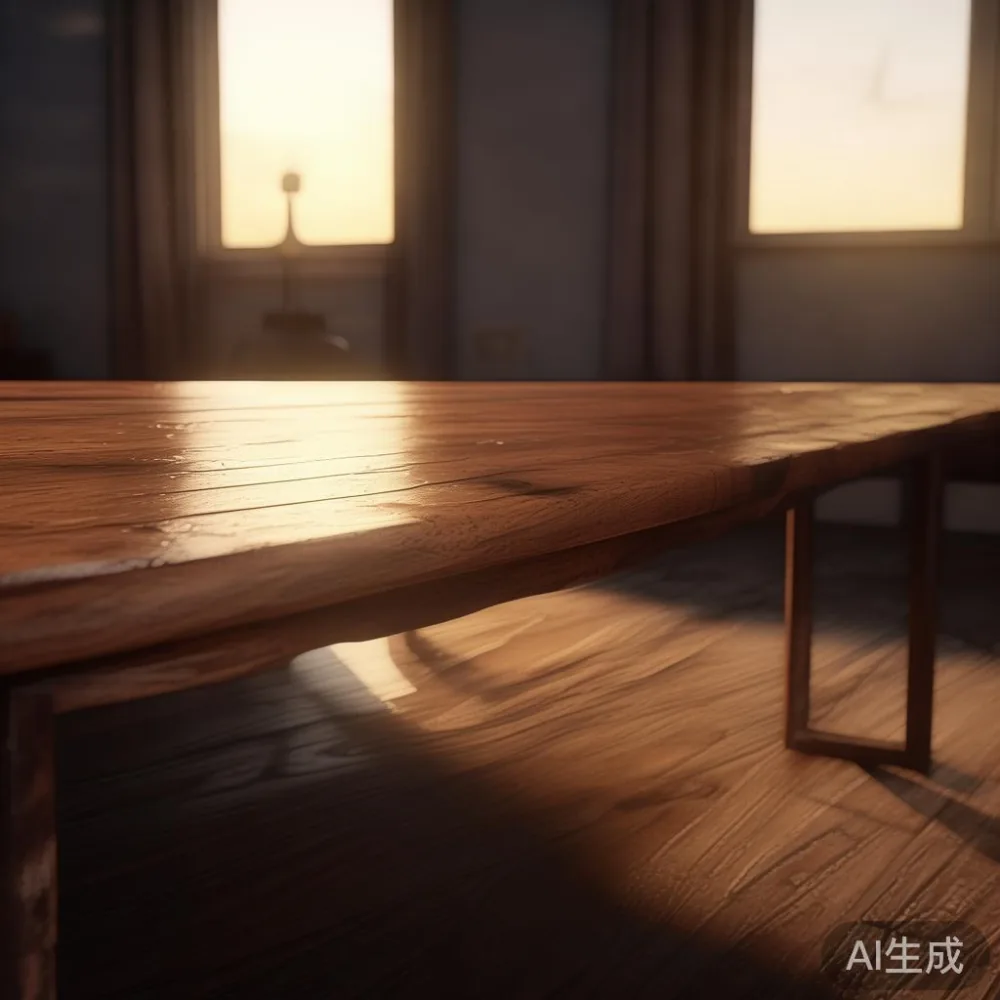
This guide focuses on the coffee table sg: choosing a solid-wood coffee table for humid Southeast Asian conditions, particularly for HDB flats and condominiums in Tampines, Bedok, and Punggol. A 120 cm by 60 cm model fits many three-room living rooms, while a 100 cm by 50 cm version can suit narrower rooms and common lift lobbies. Expect most responsibly made coffee tables to weigh between 18 kg and 45 kg, depending on timber, thickness, and frame construction.
Singapore shoppers should also account for GST, delivery access, and after-sales support. A coffee table priced at SGD 680 becomes SGD 738.80 after 9% GST. MIDHILL offers a 10-year structural warranty, lifetime refinishing, and free shipping on orders over US$350, with final delivery costs confirmed in SGD. Return requests can be made within 14 days under the stated policy.
Why does humidity change the size of solid wood?
Wood is hygroscopic, which means it absorbs moisture from the surrounding air. Its movement is measurable. In a stable indoor environment at 20–25°C and roughly 40–60% relative humidity, properly dried hardwood may expand or contract by about 1% to 3% across its grain over a full seasonal cycle. A 120 cm solid-wood top with a visible joint could therefore move around 1.2 cm to 3.6 cm across the grain if exposed to more severe conditions without acclimatisation.
That movement explains why a solid wood coffee table may feel different in a Bedok HDB flat in March and a Punggol condo in September. High humidity increases dimensional change, while very dry air from continuous air-conditioning can cause shrinkage. The danger is not one slightly muggy afternoon; it is a repeated cycle of moisture gain, drying, heat, and poor ventilation.
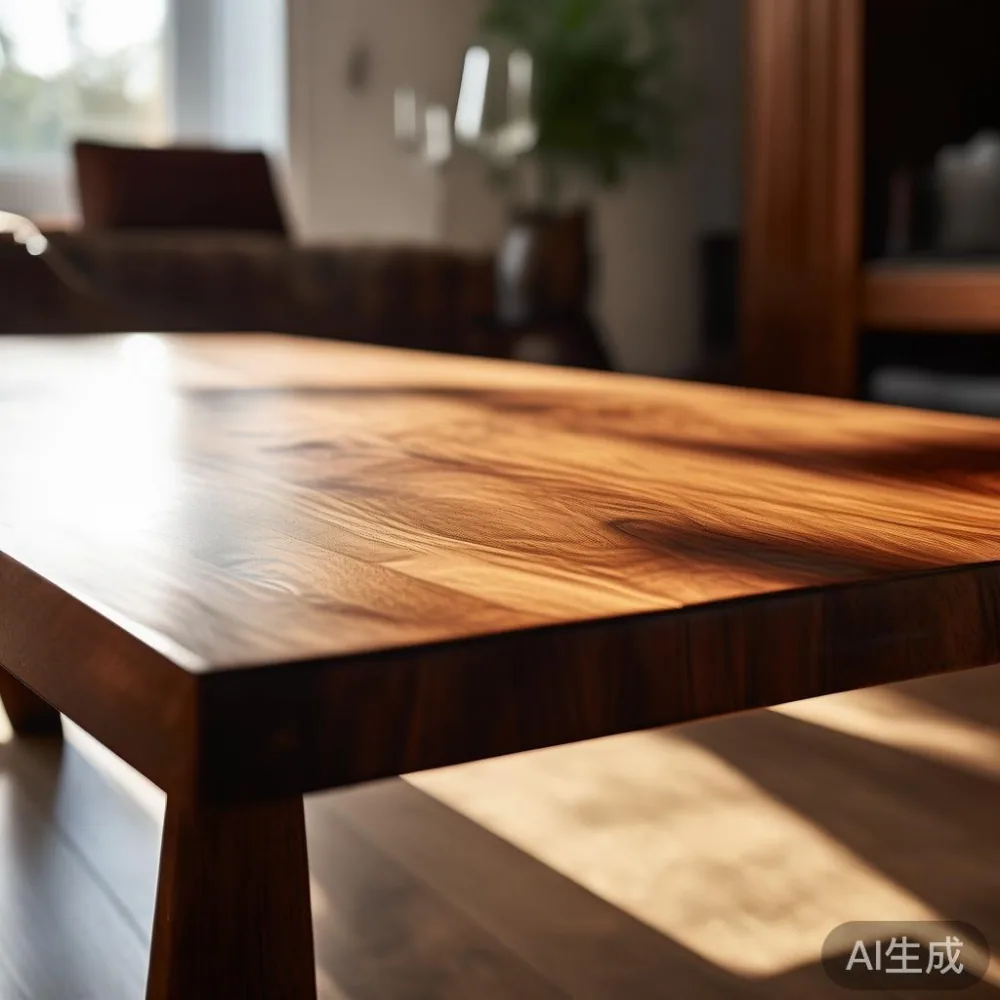
Solid wood furniture should normally be kept between 40% and 65% relative humidity. Below 30%, lacquer and oil finishes may check; above 70%, swelling can stress joints, drawer runners, and panel edges. Mould can begin when surfaces remain damp for long periods, especially where furniture is pressed against a skirting board, bathroom-adjacent wall, or exterior floor.
One practical measurement is to place a small hygrometer near the coffee table rather than relying on a phone app that may reflect the corridor rather than the living room. Check it at about 9 a.m. and again at 9 p.m. for 7 days. If readings swing by more than 15 percentage points or remain above 65% for several hours, improve airflow or move the table away from direct air-conditioning outlets.
Which solid-wood coffee table works best for Singapore humidity?
Look for a stable core, well-fitted joints, and a finish designed for interior furniture. For a coffee table sg search, favour solid rubberwood, oak, ash, or teak with a factory-applied matte finish. A frame-and-panel construction can tolerate seasonal movement better than a broad top made from several thin boards glued together, provided the panel is designed to move as a unit.
Check the underside. Ideally, the top should have breadboard ends, dowels, or another joinery method that allows controlled movement. Avoid particleboard or MDF cores hidden beneath a veneer if the table will sit in a persistently humid room. Veneered furniture can work, but its long-term performance depends heavily on edge sealing and adhesive quality.
Consider a rounded or gently bevelled edge. A 3 mm radius reduces the chance of chipping when a humid top expands slightly. Feet should lift the base about 8–12 cm above the floor, allowing air to circulate underneath. Felt pads are useful, but replace them when compressed and clean the floor beneath them every 3–4 weeks.
White oak suits many American for small living room schemes, while teak is familiar in regional interiors and handles humid conditions gracefully when properly finished. French light luxury often pairs a pale oak coffee table with cream upholstery and thin black metal. Post-modern light luxury may use a sculptural base, but the material should still be proportioned for a 120 cm wide living room rather than a showroom measuring 300 cm across.
MIDHILL’s coffee table range is relevant here because construction details, finish coverage, and warranty support matter more than a fashionable label. A well-made coffee table should arrive with clear specifications for timber, dimensions, weight, finish, and care. For local homes, a top around 3–4 cm thick, a load rating of at least 80 kg, and a frame height of 36–42 cm are sensible starting points.
How should you deliver a coffee table into an HDB flat or condo?
Access planning can prevent damage that has nothing to do with humidity. A standard HDB lift opening is often around 90 cm wide and 210 cm high, although older blocks and refurbished lift cabins vary. A corridor turn may require the package to be no more than 110 cm in its longest rigid dimension. For a 120 cm top, confirm whether it is delivered as a single top or as 2 detachable sections before choosing a lift day.
Measure these 5 points: lift door width, lift cabin depth, narrowest hallway, living-room doorway, and the route to the final position. Add 5 cm of working clearance rather than assuming a tight fit will succeed. If the corridor narrows below 85 cm, ask whether the table can be assembled in the room. A knocked-down frame may fit easily, while a one-piece slab can be impossible to turn safely.
Protection is equally important. Wrap the table in 4–6 layers of moving blanket, then use corner guards and 2 straps without overtightening them against the timber. Keep plastic film away from the finished surfaces during humid transport because trapped vapour can cause condensation. Professional delivery commonly takes 5–10 days after dispatch in Singapore, but peak renovation periods can extend this to 12–18 days.
For customers comparing furnishing packages, remember that a solid wood sofa may weigh 70–120 kg, a solid wood bed frame may weigh 50–100 kg, and a marble table can exceed 120 kg. Delivery planning for those pieces differs from a lighter coffee table, so room access should be checked separately rather than grouped into one delivery assumption.
What care routine protects wood near Singapore windows?
Wipe surfaces with a soft, slightly damp microfibre cloth and dry them immediately. Do not spray cleaner directly onto the tabletop; overspray can enter joints. Use pH-neutral wood cleaner at roughly 5–10 ml per 1 litre of water, apply it to the cloth, and test a 10 cm by 10 cm area first. Avoid bleach, ammonia, alcohol-heavy products, and abrasive pads.
Do not place a cold glass or metal vessel directly onto a warm wood surface after an air-conditioned room meets a humid afternoon. Condensation can form under the object and remain on the finish. Use a coaster with a base of at least 8 cm by 8 cm and a cork or rubber layer beneath it. Leave 12–15 cm between a floor-level coffee table and curtains that may brush against it.
Move the table away from windows with morning sun or persistent condensation. Direct ultraviolet exposure can fade the finish at rates of roughly 10% to 20% over several years, even if humidity is controlled. Curtains, blinds, or UV-filtering film provide a practical barrier. Allow 10–15 cm clearance from air-conditioning vents so the tabletop does not alternate rapidly between cold-dry and warm-humid air.
Inspect the finish twice each year. Look for a cloudy haze, lifting edges, tiny splits, or sticky patches. Light marks can often be addressed with the product’s approved refinishing process. MIDHILL provides lifetime refinishing, which makes periodic maintenance easier for owners who want to preserve the grain rather than replace the table after 8–10 years.
Is it light luxury wardrobe worth it for Singapore humidity?
The question is not merely about price but about internal construction. In a humid climate, a solid-wood or quality veneer wardrobe should have sealed edges, stable shelves, and hardware that permits adjustment. A 180 cm wardrobe commonly has compartments 50–60 cm wide, while a 210 cm unit may need a central divider. Keep the back 3–5 cm from a wall for airflow, and avoid direct contact with exterior walls that transfer condensation.
Interior humidity can still affect cabinet doors. Choose hinges with a 3-way adjustment range of about 3 mm, and check the gaps after a week of use. For anyone asking how to choose Japanese wardrobe, focus on ventilation, drawer or rail clearances, moisture-resistant finishes, and whether sliding panels are preferred to hinged doors in a compact HDB bedroom. Sliding doors reduce the space needed for opening, but their tracks require cleaning every 2–3 months.
A wardrobe priced at SGD 1,280 becomes SGD 1,395.20 with 9% GST. It is easier to justify that expense when the manufacturer supports long-term servicing. The same care applies to a solid wood bed frame and nightstand: keep them 5–8 cm from walls where possible, maintain airflow beneath, and avoid placing textiles against wood that has not fully dried after cleaning.
Is European bed worth it in a humid HDB bedroom?
A European-style platform bed can work well if it uses stable slats, durable joints, and a finish that tolerates seasonal movement. The frame should provide about 5–8 cm of clearance beneath for cleaning. For a queen mattress measuring 152 cm by 203 cm, allow 5 cm on each side for a 162 cm frame, or 8 cm each side for a 168 cm frame.
Humidity mostly threatens the mattress and textiles rather than the frame itself. Use a breathable protector, maintain bedroom humidity near 45–60%, and ventilate the room for 20–30 minutes after showering. Avoid an unventilated storage box pressed tightly beneath a solid wood bed frame because trapped moisture can encourage musty odours and mould.
For readers searching 2026 Modern light luxury furniture, note that light colours and clean profiles remain popular, but construction should lead the brief. A marble table needs sealing as well as careful handling; a dining table needs expansion allowances; and a coffee table needs enough clearance below. These are different moisture responses, even when the visual style is coordinated.
How do you measure and control humidity around a coffee table sg purchase?
Before ordering, spend 7 days measuring the intended location. Record the room temperature and relative humidity twice daily. Then measure the floor and wall closest to the future table position. A floor reading above 75% suggests that raising the table on 10–12 cm legs is sensible. A wall surface that feels cold or damp should be avoided even if the room’s central reading is acceptable.
Control the environment before treating the furniture. Use a dehumidifier rated for approximately 20–30 square metres when the room stays above 65%. Set the unit to maintain 55% humidity, empty its tank every 2–3 days, and leave 20 cm of clearance around the machine. A smaller 10–15 square metre unit may be enough for a dry bedroom, but it is less useful in an open living room during wet weather.
For the coffee table sg category, accurate product information is part of moisture protection. Ask for the average moisture content range used in finishing, whether the surface is lacquered, oiled, or waxed, and whether exposed end grain and undersides are sealed. Factory-finished pieces generally have more consistent coverage than pieces assembled from unfinished parts in a humid room.
Keep serving items off the centre for 24 hours if they have been in a refrigerator, and do not use the coffee table as a standing bar table unless its height is suitable. A standard coffee table is about 40–45 cm high, while a bar table is commonly 100–110 cm high. That difference affects both ergonomics and the stability required around children in a Tampines family flat.
What should a Singapore buyer compare when selecting solid-wood furniture?
Compare timber, joinery, finish, dimensions, weight, warranty, delivery terms, and returns—not only appearance. For a solid wood sofa, inspect frame joints and cushion platform construction. For a solid wood bed frame, check centre supports and slat spacing of no more than about 8–10 cm. For a dining table, ask how the top accommodates seasonal expansion. For a nightstand, confirm drawer clearance and whether the back is sealed. For a wardrobe, inspect edges and internal ventilation. A marble table should arrive with documented sealing and a lifting plan.
Mid-century modern for office projects require careful moisture planning as well. Place a desk at least 30 cm from a window or use blinds, and maintain 45–60% humidity. Solid timber desks can develop small movement around fasteners if climate and finish are unsuitable, so the installation method should allow controlled dimensional change.
For a coffee table, a 5–10 year structural warranty gives meaningful protection, while refinishing adds value after daily use. Singapore delivery should be quoted in SGD, with GST shown separately where required. A free-shipping threshold of US$350 can still leave local freight, lift booking, or extra-room delivery as payable services, so request the complete landed cost before confirming.
Last month I visited a Punggol condo with a newly delivered solid-wood coffee table and measured 72% humidity beside a west-facing window at 4 p.m. The owner had placed the 120 cm by 60 cm table directly on a thin rug against the glass. A hygrometer placed on the tabletop read 68%. After the table was moved 45 cm away, the curtain was closed, and a dehumidifier set the room to 55%, the same area measured 57% within 2 hours. The table had already developed a damp-looking mark beneath a chilled drink. A coaster and a dry surface resolved the immediate issue, but the location would have continued causing stress.
The lesson was simple: humidity protection begins with placement, not a stronger chemical finish. Solid wood furniture can remain attractive for decades when the owner controls moisture, preserves airflow, wipes spills promptly, and arranges delivery according to the actual dimensions of the home. For a coffee table sg purchase, that combination of local measurements and long-term care is more dependable than any broad claim that one timber is immune to Singapore’s climate.