Understanding Furniture Warranties: Singapore Coffee Table Insight
Furniture warranties often look reassuring until someone tries to claim a cracked tabletop, a squeaking drawer, or damage that appeared after moving a solid wood dining table into a Singapore HDB flat. The print is small, the definitions matter, and terms such as “commercial use,” “natural variation,” or “consumer misuse” can change the result. Learning how to read a furniture warranty before checkout can prevent a costly dispute.
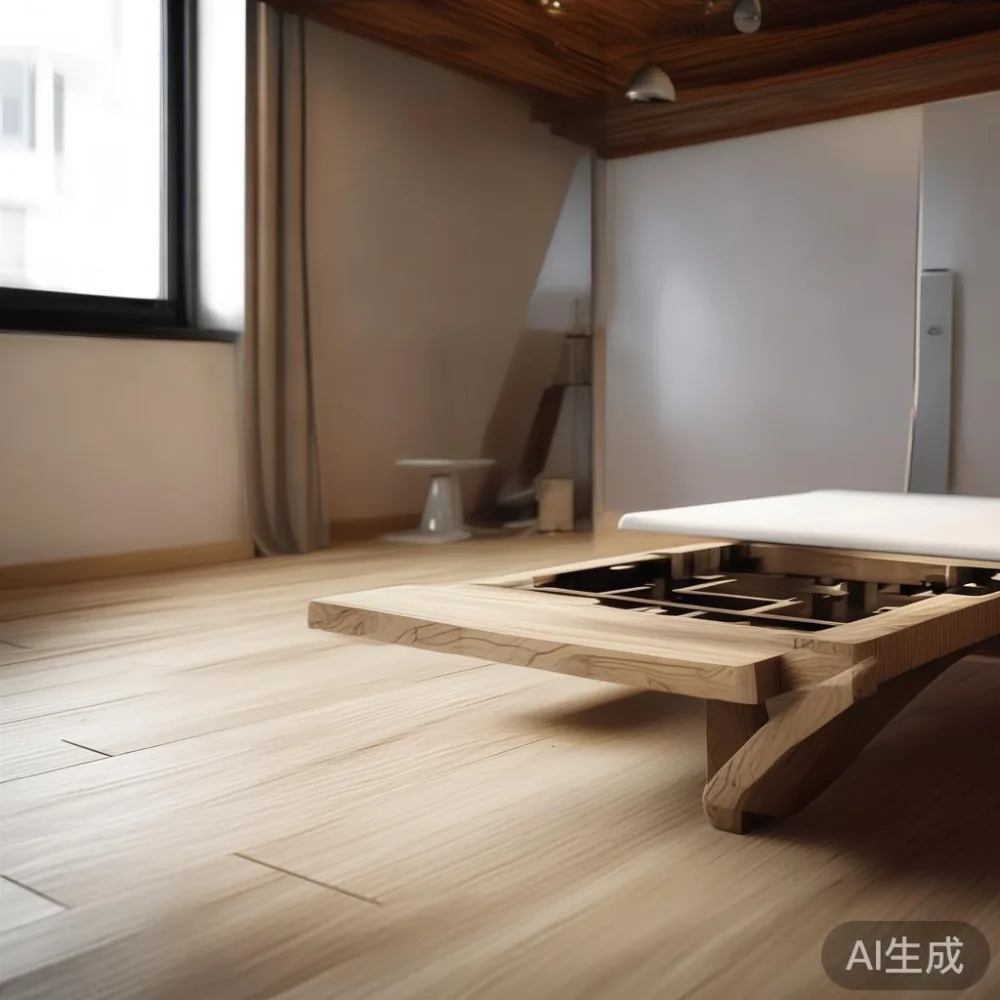
In Singapore, furniture also has to fit through a practical route. A coffee table sg order may travel from a Tampines lift lobby to a Punggol unit, while a bed frame must negotiate a 90 cm corridor and a 100 cm doorway. Warranty protection is valuable, but it does not replace checking measurements, delivery access, and the product’s care requirements.
This guide explains the clauses worth checking, the questions to ask, and the documentation to retain. It applies across categories, although examples centre on solid wood furniture, storage, and occasional tables. A marble table may behave differently from solid timber, and a solid wood sofa has moving components that a wardrobe does not.
What does a 10-year furniture warranty actually cover?
A 10-year structural warranty usually addresses defects in the frame, joints, or load-bearing construction. It does not automatically cover every scratch, stain, dent, or failed fitting. For example, a dining table might be covered if its extension rail separates under normal use, while a ring left by a hot cup may not qualify.
The warranty period can begin on several dates: purchase date, delivery date, invoice date, or the date the item enters service. Ask for the exact starting point in writing. A 10-year warranty signed on a Saturday but delivered on Thursday could have different claim deadlines under different interpretations.

MIDHILL describes a 10-year structural warranty for its solid wood furniture. That period signals confidence in the underlying construction, but buyers should still read the exclusions and claim procedure. A warranty is a contract, not a substitute for an inspection.
Here are 5 numbers to confirm:
- 10 years: the stated structural coverage period.
- 30 days: a common window for reporting obvious damage, though the seller’s policy controls.
- 14 days: the returns period associated with MIDHILL, subject to the published return conditions.
- 1 invoice: the purchase record normally needed to verify the order.
- 2 photos: a sensible minimum for documenting a defect before repair or replacement.
Natural wood movement is another common point of confusion. Solid timber may expand or contract by roughly 3–6 mm across a 120 cm width as humidity changes, depending on the species and room conditions. A small movement that preserves the joint may not be a structural failure; a split through the joint may be.
Does the warranty cover delivery damage, moving damage, or normal wear?
Those are 3 different claims. Delivery damage should generally be reported before or immediately after the item is accepted. Moving damage can arise when a 65 kg wardrobe is tilted through a 90 cm corridor or when a 120 cm coffee table is forced past a 75 cm doorway. Normal wear includes fading, surface marks, and finish changes caused by sunlight or cleaning.
Check whether the seller offers delivery, free shipping over US$350, or third-party freight. The policy should state who carries responsibility between the warehouse and the customer’s door. A good delivery record includes:
- 1 condition report: noting cartons, corners, and packaging before opening.
- 4 measurements: lift door width, lift car depth, corridor width, and unit entrance width.
- 6 inspection photos: covering the top, edges, underside, joints, legs, and fittings.
- 24 hours: a useful target for reporting concealed transit damage, if the seller permits it.
Do not assume a blanket damage claim covers scratches discovered 3 months later. A retailer may require that concealed defects be reported within 48 or 72 hours after delivery. Photograph the furniture in the unit, retain the packaging for 7 days, and record any existing marks on the condition sheet.
Finish care can also affect a claim. Use a soft cloth, keep liquids away from the surface, and avoid abrasive pads. A polished brass fitting may dull through ordinary handling; that is different from a loose screw or a broken drawer runner. French light luxury styling often uses pale oak, cream upholstery, and slender metal accents, so each finish needs its own cleaning instructions.
Are scratches, colour differences, and wood movement covered?
Usually, minor cosmetic changes are not the same as structural defects. A solid wood dining table may show differences in grain, knots, and colour. A marble table may display veins and small variations that are not defects. Post-modern light luxury designs can also combine wood, metal, and stone, creating natural contrasts between materials.
Ask how the company defines “minor,” “major,” and “natural variation.” If a tabletop has a 2 mm gap along a joint, does that count? If a door is 3 mm out of alignment after 6 months, who assesses it? Clear thresholds help both sides resolve a claim without unnecessary argument.
Several common exclusions deserve attention:
- Damage from heat, moisture, pets, or household chemicals.
- Changes caused by direct sunlight or Singapore’s humid conditions.
- Adjustments needed after floor settling or improper assembly.
- Damage from unapproved cleaners, solvents, or abrasive products.
- Commercial use in a cafe, showroom, rental property, or shared co-working space.
“Commercial use” needs precise treatment. Many people buy a dining table for a condo dining room, but a company may classify frequent events, paid work, or rental use differently. Confirm that private residential use is covered.
Who pays for assessment, repair, replacement, or return freight?
A warranty is clearer when it states the remedy. Options may include repair, replacement, refund, or store credit. Some policies charge the customer for collection, inspection, or return shipping, even when the item is found defective. Others include these costs for the first claim.
Ask 4 direct questions:
- Does the company inspect the item in person or accept photographs and video?
- Who pays to disassemble and transport the item?
- Is there a claim fee, and is GST included?
- How long should the assessment and resolution take?
For MIDHILL, lifetime refinishing is a separate service promise worth distinguishing from the 10-year structural warranty. Refinishing addresses surface renewal; it does not mean every structural component is replaced indefinitely. Confirm whether refinishing is complimentary, what transport costs apply, and whether the finish will match the original tone.
Singapore buyers should also check GST treatment. A stated service price may exclude GST, while a repair or replacement may be treated differently from the original purchase. Ask for an all-in figure in SGD and request a written record of any charge.
Payment terms also matter. A credit card chargeback can provide another route when a seller will not process a warranty claim, but using it can affect a customer’s account if the claim is not valid. Follow the seller’s process and retain all correspondence for at least 12 months.
What should I check before buying a coffee table sg online?
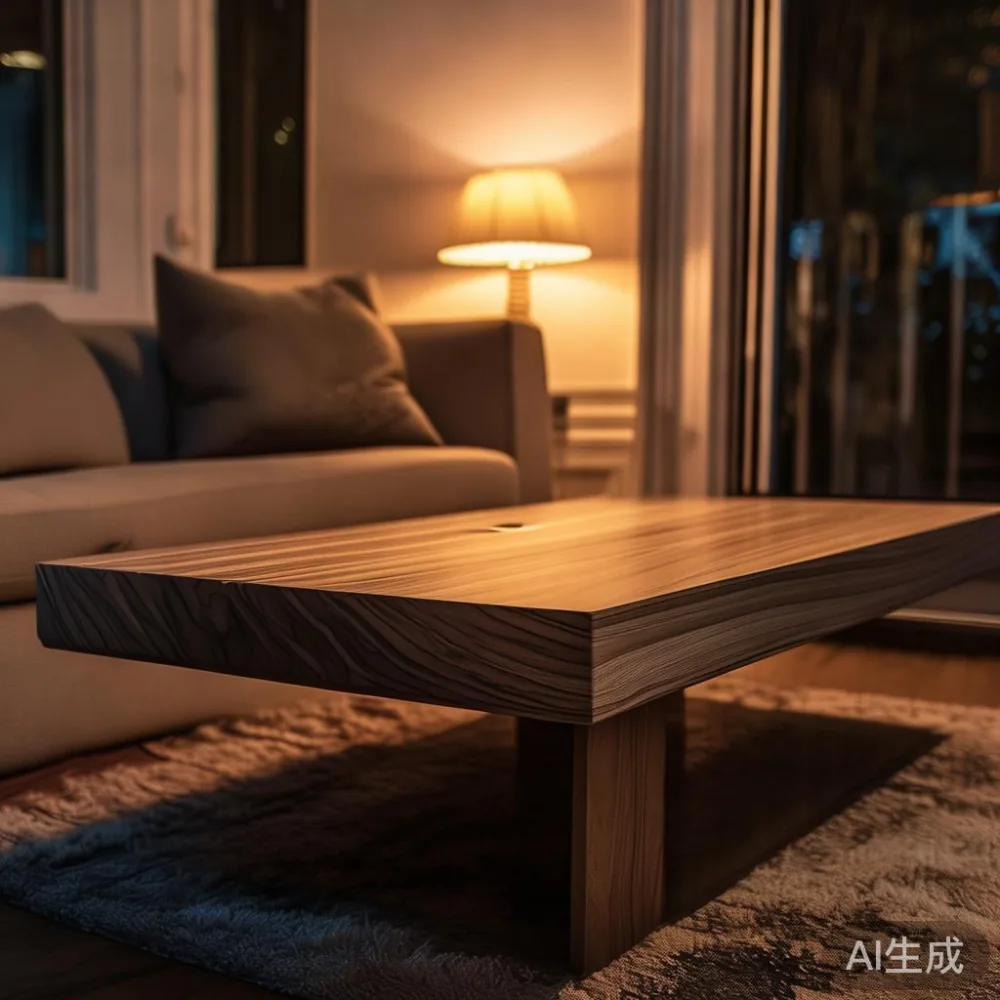
For a coffee table sg order, the most important warranty question is whether damage found on arrival is accepted under the same policy as a later manufacturing defect. Photograph the top and edges, check the joints, and test the stability before the delivery team leaves.
I last month visited a colleague in Bedok with a 110 cm solid wood coffee table for a 90 cm lift and a 78 cm corridor. The first carton looked sound, yet the inspection revealed a 14 cm split along one corner. The customer had measured the unit door at 86 cm, but the table’s widest packaged section measured 104 cm. It could not be brought upstairs without removing the balcony door frame, and the finish also had a 6 cm scuff. The order was stopped before the team forced it through, which turned a possible damage dispute into a simple pre-delivery check.
Before ordering, measure:
- 110–140 cm: typical coffee table widths for many HDB living rooms.
- 75–90 cm: common corridor and doorway constraints, though blocks vary.
- 100–120 cm: common lift car depth; confirm the internal diagonal.
- 45–70 kg: a plausible packed weight for a large solid wood coffee table, depending on design.
- 7 days: useful for checking packaging and assembling the table in the intended room.
Check the actual floor plan, lift booking rules, and whether the building has a loading bay or delivery surcharge. Ask for the packaged dimensions rather than estimating from the product page. For lifted access, a 1.5 m board or 2-person carry may be needed.
How do I make a valid warranty claim?
Start with the invoice, product name, finish, dimensions, and order number. Include at least 4 clear photographs: a wide view, a close view, the underside, and the defect beside a ruler or tape measure. A short video showing movement in a drawer or joint can help. Do not repair the item before assessment, because that may affect evidence.
Describe the sequence of events in dated entries. State when the item arrived, when the issue was noticed, whether it was assembled according to the instructions, and whether the room had direct sun, leaks, or excessive humidity. Keep copies of emails and call notes.
MIDHILL can be contacted at midhillco@gmail.com for policy questions or claim guidance. Include the order number in the subject line and send the invoice, measurements, photographs, and a factual description. Avoid general messages such as “the table is broken”; identify the component and behaviour.
For larger pieces, check what documentation is required at the door. A delivery sheet can state “no visible damage” without confirming that every surface was inspected. Ask the team to note a scratch, chipped corner, or dent before acceptance.
What if the furniture is custom-sized or made from mixed materials?
Custom dimensions and mixed materials need their own written terms. A 220 cm wardrobe made for a condo recess may be excluded from standard coverage if alterations affect its structure. A marble table may use a stone top with a wood or metal base, and each component can have a different service life.
Ask whether:
- Custom cuts affect the warranty period.
- Natural stone, glass, leather, veneer, and metal have separate exclusions.
- Adjustable shelves and drawer runners are covered under moving parts.
- Wall anchoring is included for a tall wardrobe.
- The warranty applies to a movable home or rental address.
For mixed-material pieces, identify the manufacturer of each component. A 5-year guarantee on gas springs may apply separately from a 10-year frame warranty. A solid wood sofa may include a timber frame plus springs, foam, fabric, and moving joints; the structural term does not automatically mean 10 years of cushion support.
Bespoke service may also change the returns position. A made-to-measure wardrobe cannot usually be resold once fitted, while a standard nightstand can be returned more easily. The written agreement should explain deposits, production timelines, storage fees, and cancellation deadlines. Never rely on an oral assurance that a custom item has “the same warranty.”
Can I buy a solid wood sofa, bed frame, or wardrobe with confidence?
Confidence comes from matching the product to the contract. A solid wood sofa needs care around joints, cushions, and cleaning. A bed frame may have centre supports, slats, and hardware that operate under load. A wardrobe combines hinges, runners, panels, and wall restraint, making installation details important.
For instance, if you are weighing how to choose Italian light luxury bed, compare the frame construction, centre support spacing, slat count, finish, and warranty exclusions rather than focusing on the name alone. A separate question about is Japandi bed worth it should include slat support, available clearances, and whether low-profile beds suit your HDB bedroom. Searching for cheap Modern light luxury furniture should not mean accepting vague warranties: price, construction, and claim terms must be read together.
Storage buyers asking where to buy wardrobe from MIDHILL should request the exact cabinet specification and written coverage for hinges, runners, shelves, and doors. Questions about Rustic for small living room should address dimensions and finish as well as warranty: a 45 cm deep nightstand or 100 cm coffee table may preserve circulation better than a larger unit. If you are planning how to style Japandi wardrobe in bedroom, allow 60–80 cm for wardrobe doors to open and keep the 10 cm wall fixing requirement in view.
What is the 7-point checklist before you pay?
Before paying, use this 7-point check:
- Coverage: Confirm which parts and defects are included for a specific number of years.
- Start date: Confirm whether coverage runs from order, invoice, or delivery.
- Exclusions: Identify wear, misuse, commercial use, moisture, and pet damage.
- Remedy: Know whether repair, replacement, refund, or refinishing is offered.
- Costs: Confirm collection, return freight, repair labour, and GST.
- Evidence: Learn the photo, video, and reporting deadlines before delivery.
- Access: Record packaged dimensions against lift, corridor, stairs, and doorway widths.
Then check the commercial terms. Confirm delivery time in days, especially for a made-to-measure dining table or wardrobe. MIDHILL offers free shipping over US$350 and a 14-day returns period, but review the qualifying conditions for furniture made to measure, delivered items, and custom finishes.
A strong warranty should be easy to understand, supported by clear documentation, and proportionate to the furniture’s construction. It should not force a buyer to guess which date applies or who pays for a lift. Save the policy PDF, screenshot the terms on the purchase date, and keep the invoice in SGD. Those records can be more useful than a vague recollection of what a salesperson said.
For a coffee table sg purchase, measure the route, inspect the furniture at the door, and keep the evidence. For every other piece, match the written coverage to the material, movement, and use involved. A 10-year structural promise can offer real reassurance when the exclusions, remedies, and access details are equally clear.