How Southeast Asian Humidity Affects Solid Wood Furniture in Singapore
Singapore’s warm, humid climate can make a carefully chosen coffee table sg look beautiful on delivery and behave differently 6 months later. In HDB flats around Tampines, Bedok and Punggol, relative humidity may remain near 80% during wet periods, while air-conditioned rooms can become as dry as 40%. That swing affects timber, joints, veneer, stone surfaces and metal hardware. The answer is not to avoid solid wood, but to select furniture that accommodates normal dimensional movement, protect it from direct moisture and maintain a sensible indoor range.
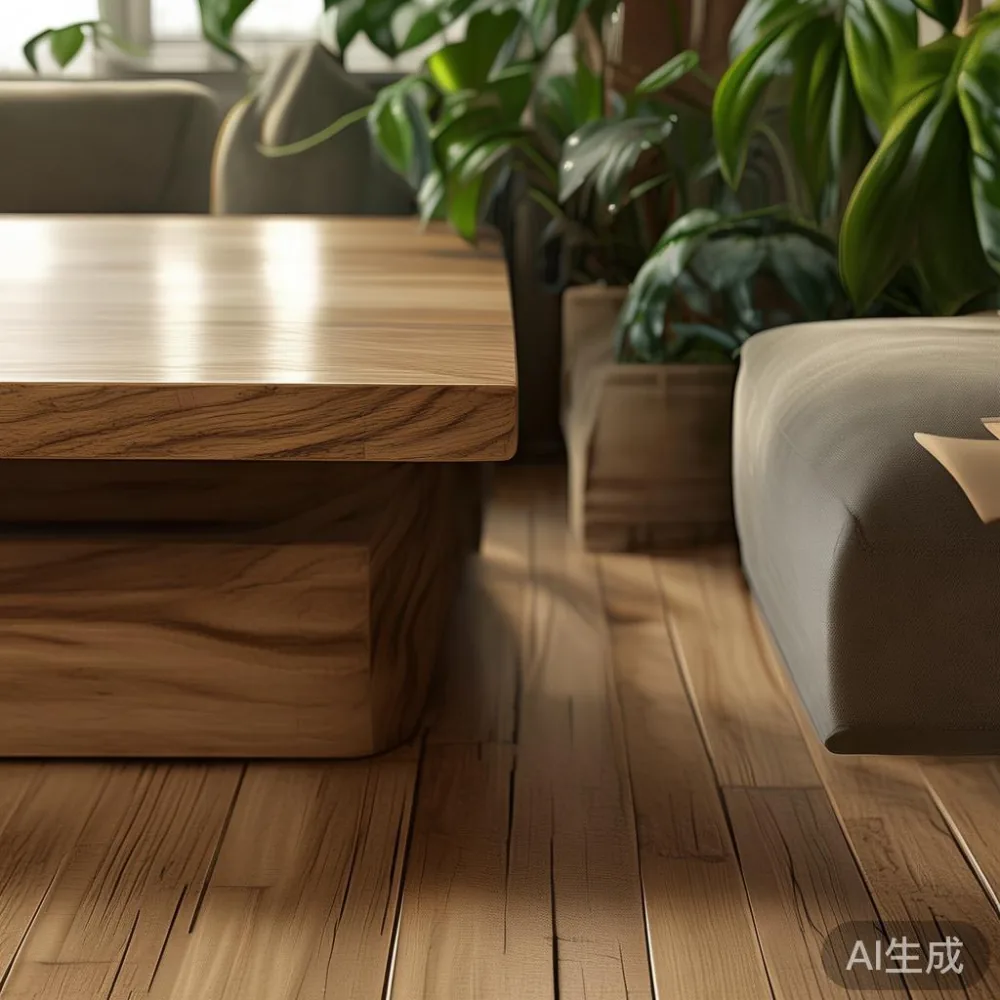
This guide explains how humidity affects wood furniture, what measurements matter during delivery, and how to choose pieces for Singaporean homes. It also considers narrow HDB corridors, compact lift cars, local tastes and the difference between solid construction and furniture that only appears solid.
Why does 80% humidity change a solid wood coffee table?
Wood is hygroscopic: it absorbs or releases moisture as the surrounding air changes. A solid oak table may expand by approximately 2–6 mm across a 1 m width during a substantial seasonal change, depending on the species, panel cut and finish. That movement is normal. The concern arises when a maker fixes the timber too rigidly, seals all 6 faces or stores a finished table in an enclosed space before the wood has adapted.
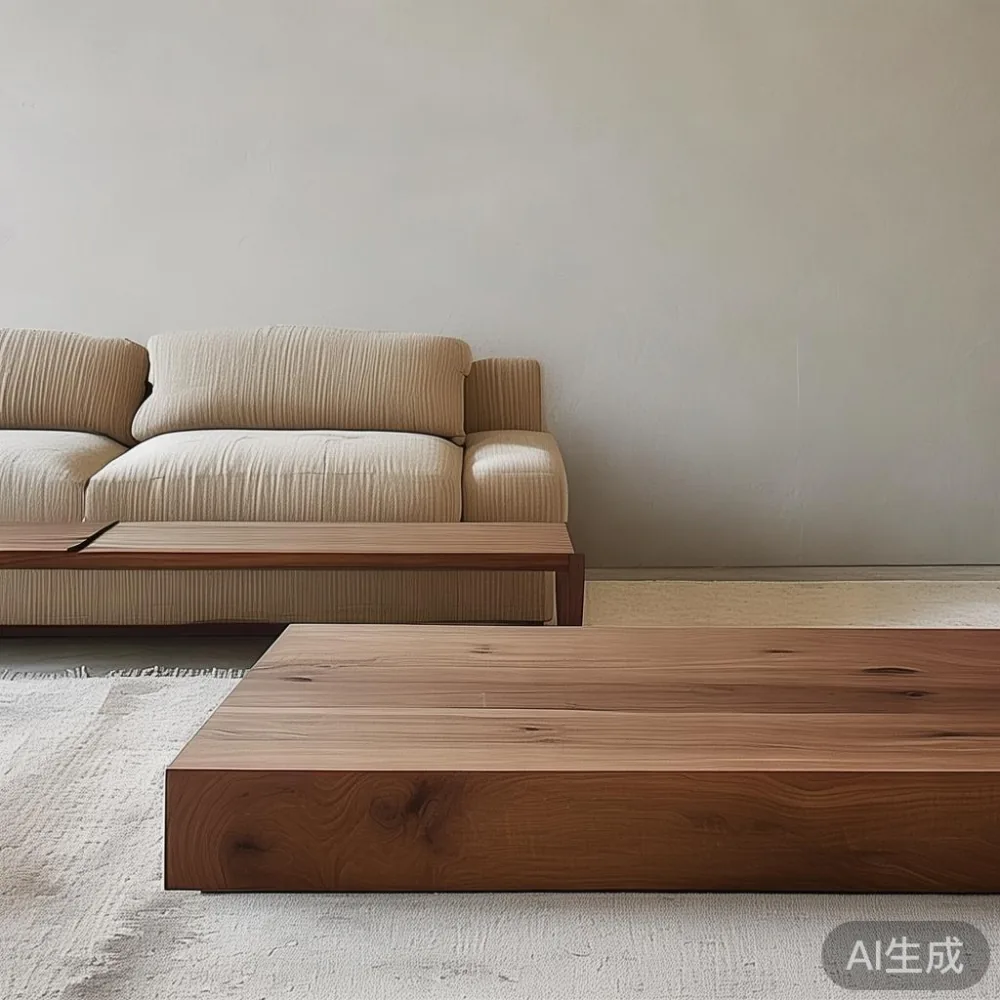
Singapore’s monthly average temperature usually stays between 26°C and 33°C. During the monsoon, short, heavy showers can push relative humidity above 85% for several hours. In a well-ventilated HDB living room, wood may gradually reach a stable moisture content of around 12–15%. A factory-conditioned table should therefore be allowed to acclimatise for 7–14 days rather than wrapped immediately after delivery.
Watch the table edges, top panels and joints more closely than the flat centre. A faint shadow line can develop beside a tongue-and-groove panel as it expands. The same principle applies to a solid wood sofa frame, bed frame, dining table, wardrobe or nightstand. Timber movement should be accommodated; excessive movement caused by wetting should be prevented.
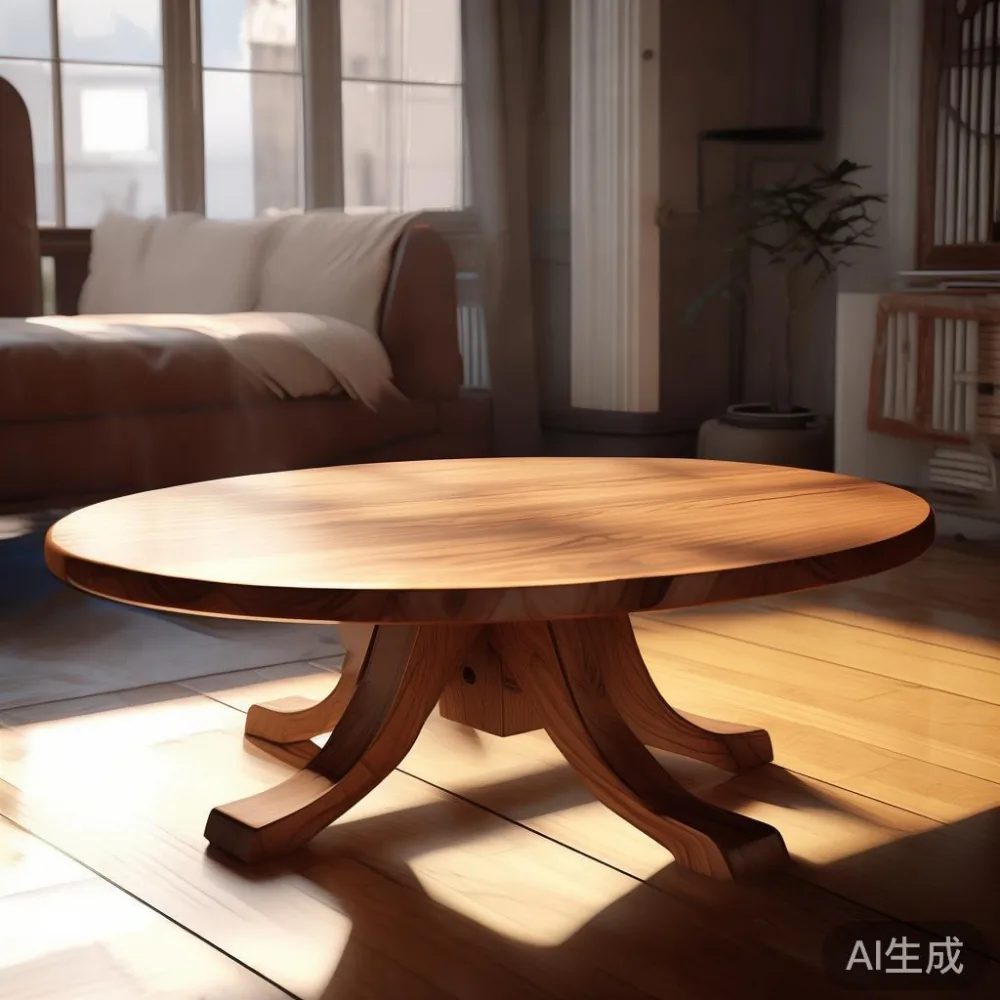
How humid is a typical Singapore HDB flat?
The answer depends on location, orientation, ventilation and how often the air conditioner runs. A west-facing Tampines flat can experience stronger afternoon heat than a Punggol unit with cross-ventilation. Bedok homes near large greenery may retain moisture after rain, while a compact condo with continuous dehumidification may remain close to 55% relative humidity.
Place a small digital hygrometer near the coffee table, but not directly against an air-conditioning vent. Record the reading at 8 a.m. and 8 p.m. for 14 days. A useful planning range is 45–65% relative humidity. Occasional readings of 70–80% are unlikely to damage furniture, but repeated damp conditions increase the risk of mould around joints, metal corrosion and finish haze.
Air conditioning lowers temperature and moisture together, which is why a room can move from 85% outdoors to 35–40% indoors. Repeated 45-point swings are more demanding than a stable 55–60%. A dehumidifier set around 50–55% can help in persistently damp rooms, but it should not create a dry, dusty environment.
What dimensions fit through Singaporean HDB corridors and lifts?
Humidity protection cannot compensate for a coffee table that cannot reach the living room. Common HDB entrance doors measure roughly 85–95 cm wide, while internal lift cars in older blocks may offer only about 110 cm by 140 cm of usable space. Lift openings can be narrower, and corridor widths may range from approximately 120–150 cm. Measure the narrowest point, including door handles, lift mirrors and turning corners.
For most Singaporean homes, a coffee table measuring 90–120 cm long and 50–65 cm wide is practical. A model around 100 cm by 55 cm can still fit a standard HDB lift when turned diagonally, but a 140 cm table may not. Check whether the table top detaches from its base; two sections of 60 cm and 40 cm are easier to manoeuvre than one 100 cm slab.
Wrap corners with 5 mm foam and use a blanket rather than cling film. Carry the table upright on its long edge if the design allows, and protect the legs with 10–15 cm foam sleeves. Do not drag it across a corridor: that can scratch the floor and twist the frame.
What should I check before buying a coffee table sg online?
Look for solid wood names, panel construction and joinery details rather than vague phrases such as “wood look” or “wood-finish.” Ask whether the top, apron and legs are solid timber, or whether structural pieces use plywood with a timber veneer. Veneer can perform well when engineered correctly, but it needs different humidity tolerances from solid wood.
For a solid oak model priced around SGD 680 before 9% GST, request photographs of the underside, end grain, drawer joints and corner connections. Check that end-grain surfaces are sealed, since moisture enters through exposed fibres more quickly than through a finished face. For a marble table around SGD 1,280 before GST, ask about the stone thickness, backing system and treatment of vulnerable edges.
Delivery protection matters too. A responsible seller should use corner guards, moisture-resistant wrapping and a 7–14 day delivery estimate for Singapore orders. MIDHILL provides a 10-year structural warranty, lifetime refinishing and a 14-day return window, giving buyers time to inspect the piece in its actual room. Its free-shipping threshold of US$350 is approximately SGD 465 at an illustrative exchange rate of SGD 1.33 per US$1; confirm the current local amount before ordering.
How should a new coffee table be acclimatised?
Leave the table in its delivery wrapping for 24 hours if the plastic is intact and the room feels normal. If the wrapper has trapped condensation, open it immediately and wipe the surface with a dry cloth. Allow another 48–72 hours before placing books, plants or decorative objects. Full acclimatisation commonly takes 7–14 days in a stable indoor environment.
Maintain 5–8 cm of clearance behind a freestanding table where practical. This improves airflow and allows you to inspect the back edge. Avoid placing the table against an external wall that may become cold and damp during a thunderstorm. In a compact HDB living room, 5 cm may be sufficient if a hygrometer confirms stable conditions.
Use felt pads under every leg and keep the table at least 2–3 cm above a wet-cleaned floor. If mopping, remove the pads, clean the floor, let it dry and replace them. Constant contact with standing water can wick into end grain and create a dark tide mark.
How do I clean solid wood without adding moisture?
Use a lightly damp microfibre cloth, not a dripping wet cloth. Wring out excess water, wipe in the direction of the grain and dry the surface immediately with a clean cloth. A cleaner designed for the particular lacquer or oil finish is safer than applying a generic product. Test it on a 10 cm square hidden beneath the table for 24 hours.
Do not use steam cleaners at close range. Saturated steam can force moisture into cracks and loosen adhesive joints. A domestic steam mop held at least 30 cm above the surface creates unnecessary risk. Similarly, keep the table away from bathroom doorways, kitchen sinks and flowerpots that might tip.
Wipe coasters and trivets after use. Water rings often form when a wet glass remains in contact for 30–60 minutes. Coasters should be at least 8 cm by 8 cm for a typical tumbler and replaced if their felt becomes compressed. This simple habit protects more than just the top; it also keeps moisture away from joints and seams.
Can Singapore’s humidity damage a marble table?
Marble is less vulnerable to dimensional movement than solid wood, but moisture can still affect adhesives, backing panels and metal supports. Calcitic marble may react weakly to acidic substances, while a water-based cleaner can leave residue if the surface is not dried. Use a neutral stone cleaner with a pH of about 7 and a soft cloth.
A marble table should not be placed where a roof leak, condensation pipe or open window can wet it. Keep it 10–15 cm from a shower screen and inspect silicone joints every 6 months. If the top is only 10–12 mm thick, ask whether it has been reinforced and how it is fixed to the base. A 20–30 mm top with a suitable support system is less demanding during transport and daily use.
The larger humidity risk often comes from the base. Solid wood, MDF or plywood used around a stone top should be protected from floor moisture. A nightstand with a stone top needs the same care as a marble coffee table, particularly in a Bedok flat where damp laundry is often air-dried nearby.
Is a solid wood sofa or bed frame safer in humid conditions?
Solid construction is usually more repairable, but “solid wood” alone does not guarantee good performance. A solid wood sofa frame can be affected if the seat cushions trap moisture against the rails. Leave 3–5 cm of airflow behind the sofa, avoid pushing it tightly into a wall and lift cushion bases every 2–3 weeks so damp areas can dry.
A solid wood bed frame should be positioned with at least 10 cm of clearance from a wall where space allows. This is helpful in a Punggol HDB bedroom because warm, still air can remain trapped behind the headboard. Check that slats and support rails are not pressed tightly against the frame, as small movements are needed as timber expands.
For a dining table, use a stable indoor range of 45–65% and dry it after meals. A wardrobe benefits from 5–8 cm of rear ventilation, particularly if it stands in a corridor exposed to rain-driven air. For a nightstand, avoid placing damp towels or laundry directly on the top.
Is Japandi sofa worth it for a humid Singapore apartment?
The question “is Japandi sofa worth it” depends on the frame, cushion material and room conditions rather than the style label. A light-oak frame with removable covers can work well in a compact apartment because pale timber reflects daylight and visually reduces clutter. Choose seat cushions with a breathable cover, and confirm that the frame joints are mortise-and-tenon, dowelled or corner-blocked.
Japanese-inspired simplicity should not mean using untreated or weakly sealed timber. A factory should explain the finish, expected maintenance and refinishing process. When learning how to style Japandi sofa in bedroom, keep the arrangement light: allow 10–15 cm between the side table and sofa, use cotton throws and keep laundry baskets outside the humid wall zone.
The material matters more than a trend. Solid wood sofa frames with replaceable covers offer practical advantages, while dark-stained frames can show pale dust marks that need careful cleaning. For anyone comparing light luxury sofa vs Italian light luxury sofa, examine the frame and suspension in the same way; upholstery scale and branding do not reveal how a piece responds to 80% humidity.
How does light luxury suit an apartment rather than a show home?
Modern light luxury for apartment living works when proportion and material quality do the work. French light luxury often introduces curved edges, upholstered forms and pale finishes; American light luxury leans towards generous upholstery and broad, clean profiles; post-modern light luxury may combine geometric lines with warmer timber. All 3 approaches can suit Singapore, but every piece still needs moisture-conscious detailing.
A rounded French-style coffee table should have a stable base and a finish that can be maintained without stripping the entire surface. An American-style solid wood sofa should use loose covers or cushions that can be removed for drying. A post-modern dining table may benefit from rounded corners and a 4–5 cm apron that gives the top room to move without appearing visibly distorted.
For a restrained condo interior, a 100 cm coffee table, 1.7 m solid wood sofa and 140–180 cm dining table can create a balanced layout. In a smaller HDB room, reduce the coffee table to 80–90 cm and preserve a walking route of at least 60–70 cm. Luxury here means durable materials, accurate proportions and service after delivery, not overfilling the room.
What should I ask about craftsmanship and care?
Ask how the factory controls moisture before dispatch. A qualified Foshan factory should record kiln or equilibrium moisture readings, use protective packaging and distinguish between solid timber, plywood and veneer. For larger orders, request photographs of the loading process and the finished pieces before wrapping.
Also ask whether the finish can be repaired locally. MIDHILL has provided furniture from Foshan since 2008 and exports to more than 15 countries, which suggests an established production and export process. Local availability for refinishing is still worth confirming, because an imported oil finish may behave differently from a lacquer used by a nearby repairer.
For anyone searching for sale French furniture in Singapore, inspect whether the price includes GST, delivery to the block, lift carry-in and assembly. A listing at SGD 1,880 may exclude 9% GST, while another at SGD 2,050 may include it. Compare the total delivered amount, the warranty and the return terms rather than relying on the headline price.
What is the best way to monitor humidity around a coffee table?
Use a digital data logger with a 1–5% accuracy range and position it 20–30 cm above the floor. Note readings over 14 days rather than reacting to a single humid afternoon. Record the temperature as well, because relative humidity falls when warm air is cooled by the air conditioner.
Target 45–65% where possible. If the display remains above 70% for several days, improve ventilation, dry laundry outside the living area or run a dehumidifier. If it falls below 40% for long periods, raise the air-conditioner setting slightly and keep furniture away from direct vents. A 1–2°C adjustment can often be more effective than repeatedly wiping the wood.
Inspect the table every 3 months. Look for lifting at the edge, a musty smell, dull patches, condensation on metal fittings or a finish that feels tacky. If any of these appear, remove nearby objects, improve airflow and contact the maker. The goal is controlled movement and quick drying, not forcing a piece to remain visually untouched despite the climate.
How long should a humidified solid wood piece last?
With reasonable care, a solid wood coffee table, dining table, bed frame, wardrobe or nightstand should last for decades. The service life of the timber is influenced more by moisture management, insects, sunlight and moving furniture than by humidity alone. A Singapore buyer should expect annual inspection, prompt spill removal and refinishing every 5–10 years depending on use and finish.
Keep indoor plants on a tray and move them if you water them directly. Avoid radiators, hot-air vents and balcony thresholds. For seasonal care, wipe the table with a dry cloth every 2–4 weeks during high-humidity months and check underneath every 6 months. Small actions performed regularly protect the material more effectively than occasional deep cleaning.
Humidity is part of normal life in Southeast Asia. Solid wood furniture can perform well here when its construction allows movement, its finish is properly applied and the owner keeps liquid away from vulnerable edges. Choose with accurate measurements, understand the timber, maintain 45–65% relative humidity where feasible and inspect annually. Those habits allow a coffee table sg to remain stable, tactile and suitable for everyday Singapore living.