The Silent Enemy: How Singapore's Humidity Affects Your Wood Coffee Table
Living in Singapore, a city of perpetual warmth and high humidity, presents a unique set of challenges for homeowners, especially for furnishing their living spaces. The air in our HDB flats and condos, from the corridors of Tampines to the modern layouts of Punggol, is thick with moisture. This constant dampness, while pleasant to the skin, can be a silent enemy to natural wood furniture. For a piece as central to a living room as the coffee table, understanding this relationship is not just a matter of maintenance; it's about preserving the beauty, integrity, and longevity of a significant investment. A coffee table sg is more than just a place to rest a mug; it's the anchor of your seating area, and its condition reflects on the entire room.
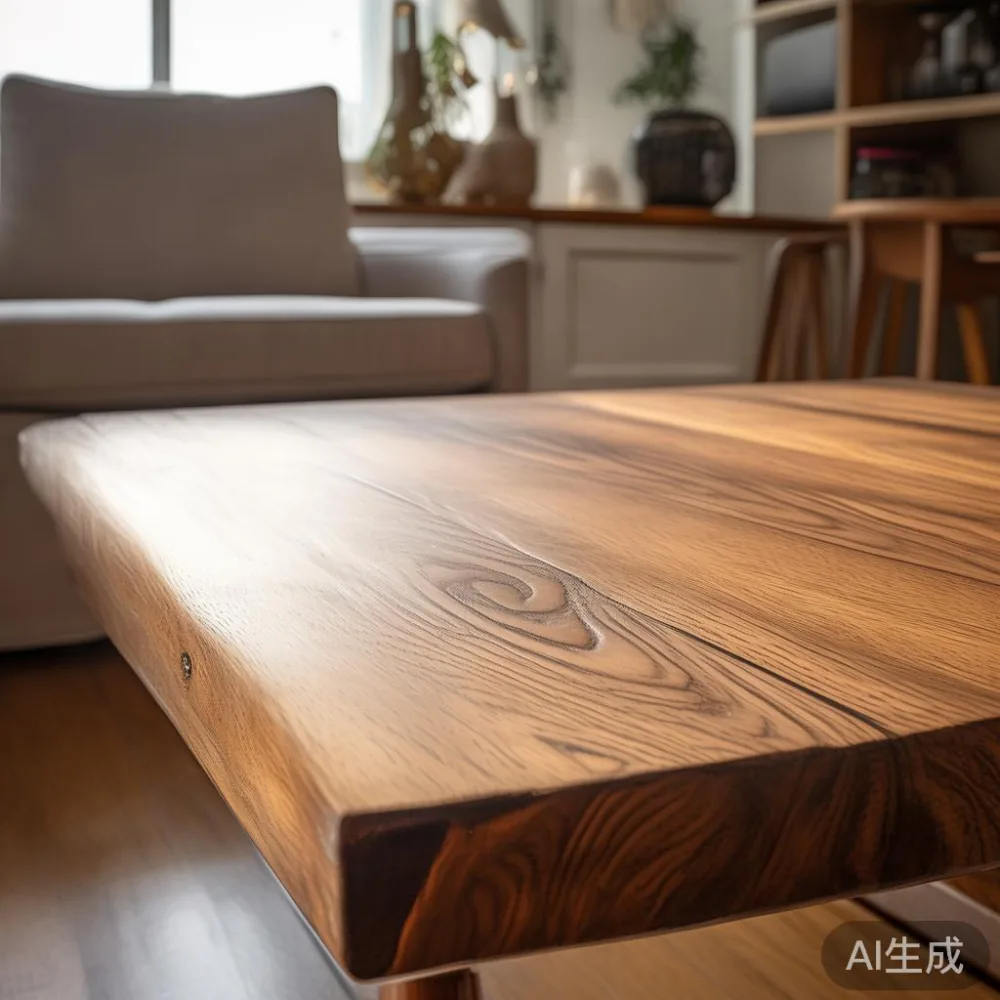
Understanding the Science: Wood and Water in the Tropics
Wood is a hygroscopic material, which is a scientific way of saying it absorbs and releases moisture from the air. In a temperate climate with distinct seasons, wood expands slightly in the humid summer months and contracts in the dry winter. This natural cycle is manageable. However, in Singapore, the average relative humidity hovers between 70% and 90% year-round, creating a state of perpetual expansion. Think of wood fibers like tiny sponges. When they are saturated with moisture, they swell. For a solid wood coffee table, this constant, relentless swelling puts immense stress on the wood's structure.
When a piece of furniture, like a solid wood sofa or a dining table, is crafted, the wood is kiln-dried to a specific moisture content, typically around 8-12%. This process stabilizes the wood, preparing it for the environment it will live in. But once it arrives in Singapore, the battle begins. The wood begins to absorb ambient moisture, causing it to swell. This movement is most pronounced across the grain of the wood, leading to a phenomenon known as 'cupping,' where the edges of a tabletop rise higher than the center. In severe cases, the wood can 'crowng,' forming a convex shape, or the joints can loosen as the expanding wood pushes against them. This is why a well-made coffee table sg must be designed from the outset to accommodate these tropical conditions.
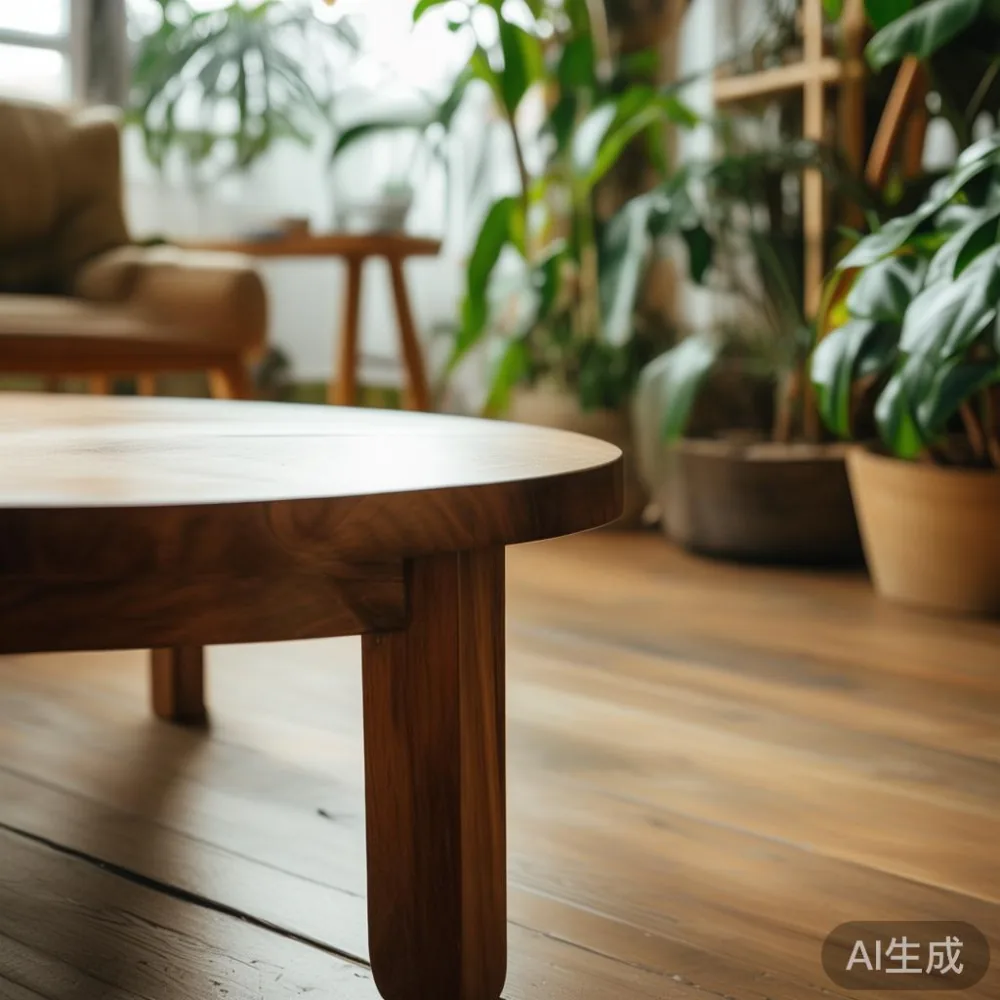
Visible Signs of Humidity Damage on Your Coffee Table
The effects of Singapore's humidity aren't always immediately obvious, but they manifest in several distinct ways over time. Recognizing these signs early can help you take corrective action before the damage becomes irreversible. The first and most common sign is a sticky or tacky surface. As the wood fibers swell, they can release resins that were previously locked within the grain, creating a film that feels unpleasant to the touch. This is particularly common with tropical hardwoods like teak or rubberwood.
Next, observe the finish. A high-quality lacquer or oil finish is designed to be a protective barrier, but constant humidity can compromise it. You might notice white, cloudy spots, known as 'blushing,' or a hazy film over the wood's surface. This occurs when moisture gets trapped between the wood and the finish. More seriously, the finish itself can begin to crack or peel as the wood expands and contracts underneath it, losing its protective properties. Another tell-tale sign is in the joints. A coffee table with dovetail or mortise-and-tenon joints that were once tight may now show small gaps. As the wood expands, it pushes against these joints, forcing them apart. For a larger piece like a wardrobe, this can lead to doors that no longer close properly, but on a coffee table, it often manifests as a wobbly leg or a top that feels slightly unsecured.
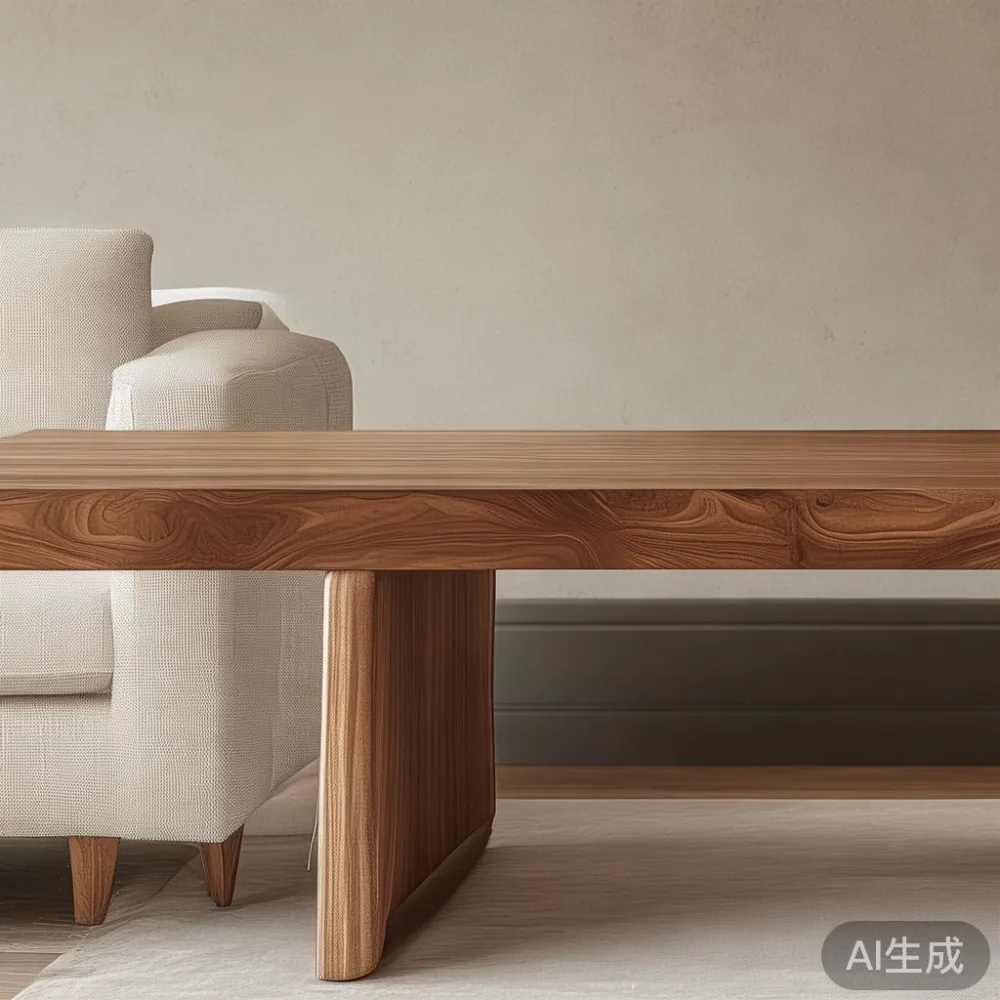
How to Choose a Humidity-Resistant Coffee Table in Singapore
Choosing the right coffee table sg for your Singapore home requires a shift in perspective. You're not just buying a piece of furniture; you're investing in a product engineered for a specific climate. The first and most important factor is the wood species. Not all woods are created equal for humidity resistance. Hardwoods like teak, white oak, and maple are denser and have a more stable cellular structure, making them far less prone to warping than softer woods like pine or rubberwood. Ask your supplier about the origin and properties of the wood. A reputable manufacturer will be transparent about this.
The construction method is equally critical. Look for tables made with 'solid wood' construction, not veneers. Veneers are thin slices of wood glued onto a composite core, and when the core expands or contracts, the veneer is almost certain to crack or peel. The joinery is the next checkpoint. Dovetail joints, mortise-and-tenon joints, and dowel joints are all signs of superior craftsmanship. These mechanical interlocks are much stronger and more durable than simple screws or staples, which can easily pull out as the wood moves. The finish is your final line of defense. A multi-layered lacquer finish provides a thick, waterproof seal that protects the wood from moisture ingress. For a more natural look, a high-quality hard wax oil finish can also be effective, though it may require more frequent maintenance. When considering a coffee table, these features are non-negotiable for longevity in our climate.
How to Style French Bed in Room and Maintain Your Coffee Table
Maintaining the beauty of your coffee table sg is an ongoing process, but it's a manageable one with a simple routine. The goal is to control the micro-environment immediately around the furniture. First, place your coffee table away from direct sources of moisture. This means keeping it at least 50 cm away from air-conditioning units, as the cold condensation can drip onto the wood. It also means avoiding placing potted plants directly on the tabletop; the saucer beneath the pot can trap water, leading to a ring of water damage. Use coasters under all drinks, not just hot ones, to prevent condensation from cold glasses from seeping into the wood.
Cleaning should be done with a soft, dry or slightly damp cloth. Never spray cleaner directly onto the table; instead, apply it to the cloth first. After wiping, immediately buff the surface with a clean, dry microfiber cloth to remove any residual moisture. For those who appreciate a specific aesthetic, the principles of maintenance apply regardless of style. For instance, a homeowner who enjoys the elegance of a French provincial furniture look will find that caring for their ornate coffee table requires the same diligence as caring for a minimalist modern piece. The material, not the style, dictates the care routine. A colleague of mine recently visited a client in Bedok whose stunning light luxury coffee table had suffered from years of neglect. The surface was dull and sticky, and the finish was beginning to fail. We spent an afternoon cleaning and re-oiling it, and the transformation was remarkable. It was a powerful reminder that consistent, simple care can restore a piece to its original glory.
Is a Marble Top Coffee Table a Better Choice for Singapore's Climate?
This is a question we hear often from clients in Singapore's high-rise condos. The allure of a marble table is undeniable; its cool, sleek surface and unique veining create an instant sense of luxury. But is it a practical alternative to solid wood in our humid climate? The answer is complex. Marble is, of course, completely impervious to humidity. It will not swell, warp, or be affected by moisture in the air. In this specific regard, it is superior to wood. However, this advantage comes with its own set of considerations that are particularly relevant to Singaporean living spaces.
First, weight is a significant factor. A solid marble coffee table can weigh between 40 kg and 80 kg, depending on its size and thickness. This makes it incredibly difficult to move for cleaning or rearranging furniture. In a typical HDB or condo, where lift widths are often just 80 cm and corridor turns are tight, maneuvering a heavy marble piece can be a challenge. A solid wood coffee table, by contrast, weighs a fraction of that, usually between 15 kg and 30 kg, making it far more practical. Second, marble is a porous stone. While it won't swell, it can absorb liquids like wine, coffee, or oil, leading to permanent stains. It requires sealing and immediate attention to spills. Finally, the 'feel' is different. Marble is cold and hard, which can be jarring in a cozy living room. Wood, on the other hand, is warm and tactile, adding a sense of organic comfort to a space. The choice between a marble table and a solid wood coffee table sg often comes down to a trade-off between climate-proof practicality and the warmth, weight, and maintenance demands of the material itself.
Why a 10-Year Structural Warranty Matters for Wood Furniture in Singapore
Given the challenges our climate presents, the warranty on a piece of furniture becomes one of its most important features. A standard 1-year warranty is insufficient to cover the slow, creeping damage that humidity can inflict over several years. This is where a long-term commitment from a manufacturer becomes a mark of confidence in their product. A 10-year structural warranty, for example, is a powerful statement. It tells the customer that the company stands behind the quality of its joinery, the stability of its wood, and the durability of its construction.
When a company offers such an extensive warranty, it implies they have done their homework. They have selected wood species known for their stability in humid environments, they have employed skilled craftsmen to create joints that can withstand expansion and contraction, and they have applied a finish that will protect the wood for a decade. For a consumer investing in a solid wood sofa or a dining table that will anchor their home for years, this peace of mind is invaluable. It shifts the purchase from a simple transaction to a long-term partnership. Knowing that if a joint were to fail or the tabletop were to warp within a 10-year period, the repair or replacement would be covered, provides a level of security that no amount of self-care can match. It’s a proof of the engineering and quality control that goes into a piece designed to last in a demanding climate like Singapore's.