Sofa Selection Guide: What to Consider for Unusable Sofas
A sofa is usually bought for two reasons: appearance and sitting. Yet in a compact Singapore home, a beautiful frame can still be the wrong sofa if it blocks the walkway, overwhelms the living room, or arrives without the comfort promised by the photographs. That is why the central question is simple: what should you check before buying a sofa you cannot actually sit on?
The answer starts with scale, access, comfort, construction, and after-sales care. These points matter in HDB flats and condos across Tampines, Bedok, and Punggol, where lift cars, corridor turns, air-con outlets, and dining areas can all affect the final decision. Prices below are shown in Singapore dollars, and measurements use cm.
MIDHILL makes solid wood furniture for practical interiors, including solid wood sofa frames, bed frames, dining tables, wardrobes, nightstands, and selected marble tables. A solid wood sofa does not automatically mean a soft sofa, but it gives you a dependable structure to assess. Since the company was established in 2008 and exports to more than 15 countries, its product language is international while its delivery advice needs to remain local.
What should you check before ordering a sofa for a Singapore home?
Start with the sofa’s full dimensions, not the width printed on the product page. A 220 cm sofa may fit along one HDB living-room wall, while the same model with a 95 cm depth may leave only 65 cm of circulation space in a 160 cm-wide room. That can make a compact flat feel crowded even before a person sits down.
Use masking tape on the floor to mark the sofa’s length, depth, and corner positions. Leave at least 80 cm for a main walking route where possible, 70 cm near a sofa used for conversation, and 90 cm around a dining chair that needs to be pulled back. These are useful targets, not building rules. In a smaller room, a 180–200 cm loveseat or modular sofa may be more manageable than a 240–260 cm three-seater.
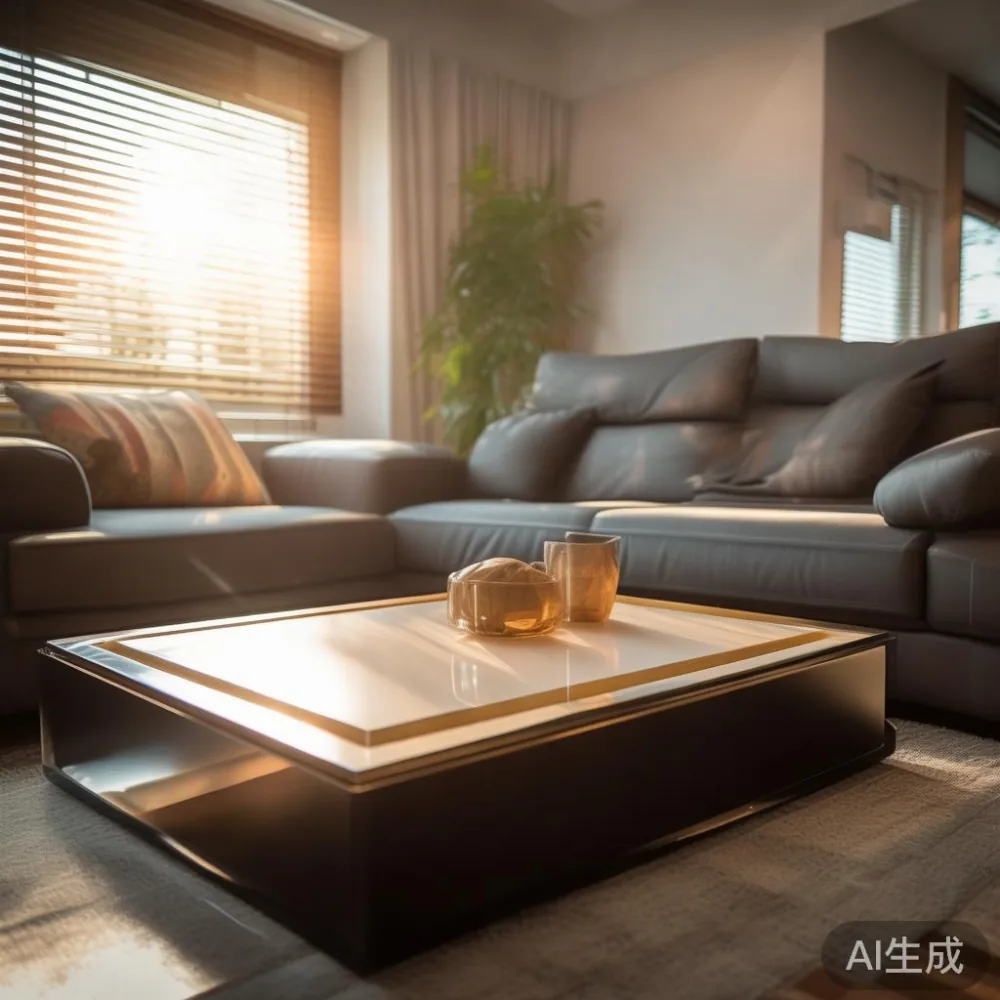
Measure the room from the sofa position to the TV console, coffee table sg, balcony door, and opposite wall. A 100 cm coffee table sg sounds modest, but a sofa at 95 cm depth plus a 100 cm table can consume nearly 2 m of room length. Consider a 90 cm table, or one with rounded corners, if the sitting zone is tight.
Will the sofa fit through the lift and corridor?
Before paying a deposit, ask the retailer for the packed dimensions and the sofa’s approximate weight. A showroom sofa may measure 210 cm wide, 88 cm deep, and 82 cm high, but the packaging can add 4–10 cm around each side. A removable back or legs may solve one access problem, while fixed packaging may not.
For an HDB block, check the lift door opening, lift car dimensions, landing turns, and corridor width. A common lift car may offer around 90 cm depth and 140 cm width, but older blocks and newer upgraded lifts vary. The sofa must fit through the tightest turning point, not merely enter the lift on a straight line. Photograph the route with a tape measure in hand and record any narrow section.
Measure the sofa’s diagonal as well. A 205 cm-long model can have a diagonal close to 220 cm depending on its height and turning angle. If the lift route is uncertain, select a sofa with detachable legs, removable cushions, or separate modules. Two or more rigid pieces may make a move easier, but ask whether the pieces can be carried by one person or require two.
In Punggol and Bedok condos, a private lift may make transport easier, but the route from the loading area to the front door still matters. Leave 10–15 cm of clearance at door handles, intercoms, and thresholds. If the sofa weighs 75 kg or more, arrange at least two people and protect the corridor walls. The delivery team should not have to force a frame through a doorway.
How do you test comfort before the sofa arrives?
You cannot judge a sofa by sitting on it for 30 seconds. Ask to sit in it for at least 10 minutes, preferably 20–30 minutes, in a position that resembles your normal posture. Check the seat height against your knee angle. A seat around 40–43 cm from the floor suits many adults, while a 36 cm seat can feel low for someone with limited knee mobility.
Test the seat depth too. A 55–60 cm internal seat depth allows the back and knees to align, while a deeper 65–70 cm seat may suit a roomy setting but leave shorter users sliding forward. Press down on the seat cushion with your palm. The cushion should return to shape within a few seconds, without permanent collapse. If it sinks and stays flat, ask about foam density, fill material, and the warranty terms.
Check the backrest and armrests, not only the centre seat. A sofa that feels comfortable for one person may be cramped for a family of three. Look for a back angle between roughly 100 and 115 degrees for relaxed sitting, depending on your preference. For upright TV viewing, a firmer lumbar area may be more suitable than a very soft, slouching cushion.
Also test the arms. A useful arm height may be around 58–65 cm above the seat, allowing a person to rise without straining. If the arms are broad, leave enough side clearance for a person to sit down and stand up. A narrow hallway may make a high arm look attractive in the showroom but awkward beside a dining table.
Is the frame strong enough for daily family use?
A sofa should be checked as a piece of furniture that will be used daily, not only as a decorative object. Ask what supports the seat: solid wood, plywood, metal springs, webbing, or a combination. A solid wood sofa can provide stable rails and legs, but the joints and suspension still determine how the frame behaves after years of use.
Look for straight rails, tight joints, and a level base. Sit near the front edge, in the middle, and at the corners. A good frame should not twist, rock, or make a creaking sound. The front rail should not bend visibly when someone leans forward. Check that the sofa stands evenly on its legs; 1–2 cm of leg adjustment can help on an uneven floor, but large gaps may indicate poor construction.
Ask for the expected service life and the terms of the structural warranty. MIDHILL offers a 10-year structural warranty, which is a meaningful point when comparing a sofa that will be used by children, guests, and pets. Still, the warranty should be understood: confirm whether it covers frame joints, legs, and structural failure, and how claims are handled in Singapore.
Weight is another clue. A sofa under 35 kg may be easy to move but could use thinner components if designed for occasional use. A 65–90 kg sofa may feel more stable, although weight alone does not prove quality. Lift one side only when the seller instructs you to do so, and never test a frame by standing on it.
What materials and finishes should you inspect?
For a solid wood sofa, ask which parts are solid wood and which are engineered wood. Veneered plywood or MDF may be appropriate in hidden panels, while exposed rails, legs, and arms should have clear material information. Tap a sample gently and inspect the grain, joints, and surface finish. Small variations in colour are normal, but large cracks, splits, or glue marks deserve discussion.
Fabric selection matters in Singapore’s humid conditions. A tightly woven fabric with a high rub count may resist daily wear better than a loose weave, although test samples do not tell the whole story. Ask whether the upholstery is removable and washable. If a white or cream fabric is placed near a dining table in Bedok, protection against spills matters more than a delicate showroom appearance.
For households with pets, check seam strength and the fabric’s resistance to hair and abrasion. A sofa with tightly stitched seams can tolerate more than a loosely gathered model. Request the cleaning instructions in writing, and find out whether spot cleaning, professional cleaning, or replacement of a cushion cover is covered.
Colour also changes with lighting. A beige sofa that appears warm in a Tampines flat can look grey beside a cool air-conditioner wall. View samples in daylight and at night. Keep curtains and screens in mind, because strong sunlight can fade fabric over time.
Which design style suits a compact living room?
The style should follow the room, the existing furniture, and how you live. A French light luxury sofa often uses pale upholstery, curved arms, and refined details. Those qualities can suit a larger condo living room, but they may make a compact HDB flat feel visually busy if the sofa is heavily tufted or has oversized arms.
American light luxury tends to favour generous proportions, soft cushions, and relaxed comfort. A 220 cm sofa in this style may work in a new Punggol condo, provided the room allows enough circulation. Post-modern light luxury is more flexible: clean lines, balanced proportions, and a restrained mix of textures can work with both modern and older interiors.
When comparing European sofa vs Mid-century modern sofa, compare scale and function rather than labels alone. European forms may create a formal sitting zone, while a mid-century profile often has a slimmer footprint and visually lighter legs. Ask to see the sofa from 3 m away and from the doorway. The silhouette should not block a TV console or make the room feel divided into two unrelated areas.
A practical design question is how to style American sofa in room when a dining table shares the open-plan area. Use one repeated colour, such as warm wood or black metal, to connect the zones. A 200 cm dining table, a 210 cm sofa, and a 90 cm coffee table sg should not compete through unrelated finishes.
How should you plan the surrounding furniture?
The coffee table sg is a major part of the sofa decision because it determines legroom. The distance from the sofa’s front edge to the table should usually be 35–45 cm for comfortable reach. Leave at least 30 cm if the room is tight, but do not place the table so close that people cannot walk behind it.
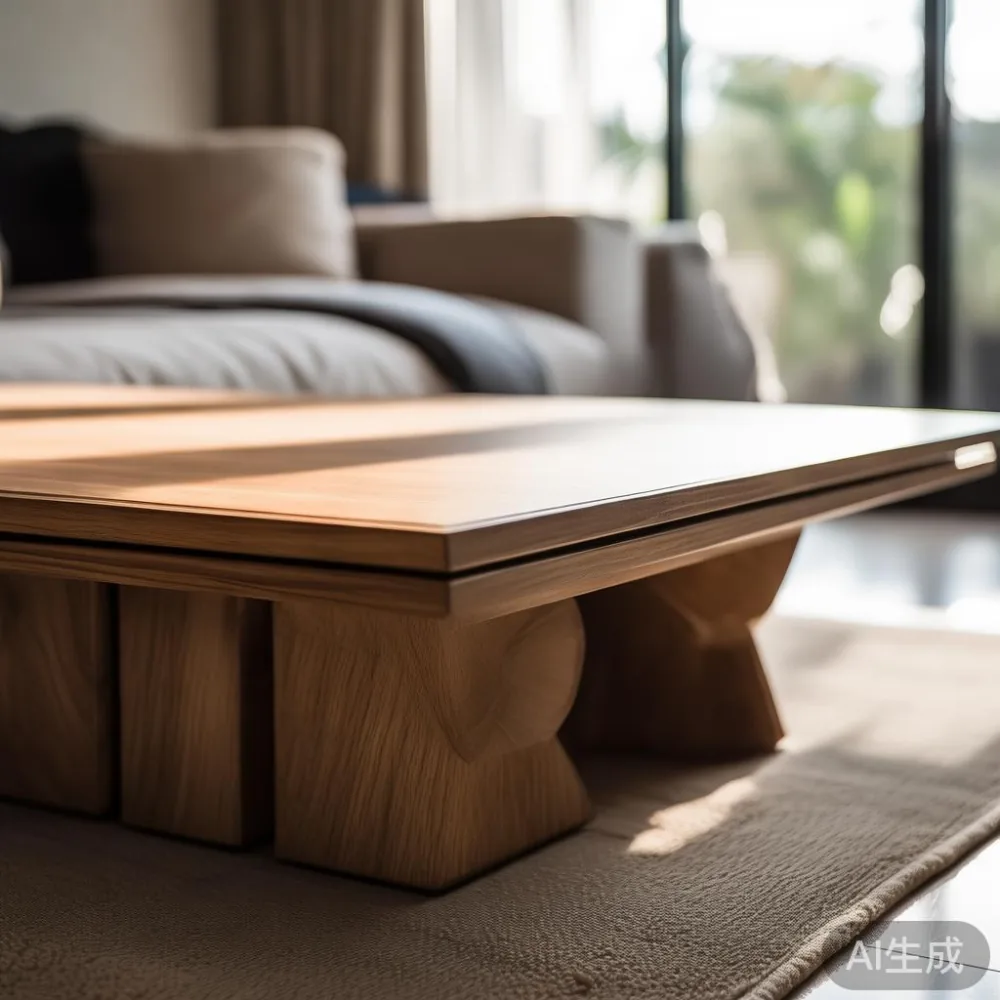
A rectangular coffee table sg with rounded corners is often easier to position than a large square piece. A marble table may look light against a solid wood sofa, but its weight can make moving it difficult. Check whether the base has felt pads, whether the top can be carried by one person, and whether children can reach the edges. A 40–55 kg marble table should be delivered carefully and positioned before the sofa arrives.
The dining table should also be considered. If a sofa is near the dining zone, look for a 70 cm passage where possible. Chairs need space to slide back, and a person carrying a hot dish should not have to turn beside the sofa arm. A table with rounded corners may reduce bumps in a busy family route.
For a mixed shopping list, use compatible heights and finishes. A solid wood dining table and a solid wood sofa can share a honey-oak tone, while a white dining room pair can work with a darker frame. For storage, a TV console, bed frame, wardrobe, or nightstand should not block air vents or power outlets. If you are considering a MIDHILL TV console, measure the wall and the sofa first, then check cable paths before delivery.
What delivery, GST, and return details should you confirm?
Ask whether the displayed price includes Singapore GST. A sofa shown at SGD 2,280 before 9% GST would be SGD 2,485.20 after tax, subject to the seller’s final invoice. Confirm the exact delivery charge, installation charge, and any stair or lift surcharge. Free shipping over US$350 is useful when ordering from an international catalogue, but a local sofa purchase should still have its full landed cost written down.
Delivery time matters too. Standard Singapore delivery may take 7–14 delivery days, while made-to-order pieces may take 6–10 weeks. Ask whether the estimate counts from order confirmation, payment, or the arrival of fabric. For a condo, provide the access instructions, parking details, lift booking, and preferred delivery window.
Returns are particularly important for a sofa because comfort is subjective. MIDHILL provides a 14-day returns policy, but check the conditions for a made-to-order or custom-fabric sofa. Confirm whether the original packaging, floor protection, and return transport are required. If the sofa has been delivered to a HDB corridor or assembled in the living room, the cost of moving it back may be deducted.
Before signing, record the sofa’s condition with photographs. Check cushions, legs, frame edges, and fabric seams while the delivery team is present. Note scratches, dents, or missing pieces on the delivery form. Do not remove protective packaging until the sofa has been inspected.
How do you compare a made-to-order sofa with a showroom model?
A showroom model may be assembled quickly and delivered within 7–14 days, but its fabric and dimensions may be fixed. A made-to-order sofa offers more control over width, cushion firmness, and upholstery, though delivery may take 6–10 weeks. The right choice depends on your room and schedule.
Ask for a fabric swatch, a seat-density specification, a frame drawing, and a written measurement sheet. If the sofa is 210 cm wide, 92 cm deep, and 82 cm high, compare those figures with your doorway and planned layout. If a retailer cannot provide the packed size, treat that as a reason to pause.
Many buying guides ask whether an American bed is worth it and how to choose French provincial bed, but the same questions apply to a sofa. What are the materials? How long does the frame last? Can the surface be maintained? What happens if the cushion feels too soft? A style name cannot replace a specification.
What should you check on the day the sofa arrives?
Inspect the sofa before the delivery team leaves. Confirm that the model, fabric, dimensions, and colour match the order. Check each corner, the underside, the legs, the seat platform, and the back. Sit on every seat and lean on the arms gently. A sofa should feel stable and level.
Measure the placement again. Leave enough room to clean behind and beneath it, and make sure air-conditioning airflow is not blocked. If a coffee table sg is already in place, check the 35–45 cm reach and the walking route from the HDB entrance to the kitchen or bedroom.
Keep the care instructions, warranty document, invoice, and delivery record together. For a light-luxury room, useful finishing touches include one textile layer, a modest rug of at least 160 by 230 cm where space permits, and lighting with warm 2700–3000 Kelvin bulbs. A French provincial coffee table can soften a structured sofa, but its scale should still serve circulation rather than fill the gap between furniture.
The final purchase should make sense in two tests. First, imagine an adult sitting for 20 minutes, reaching for a cup, and standing without using the arm as a handhold. Second, walk from the door to the kitchen with a tray in your hands. If the sofa passes both tests, its style can be enjoyed safely. If it fails either one, choose a smaller or more flexible design before the sofa becomes furniture you cannot sit on properly.