Lacquered Coffee Table Care in the Tropics: A Practical Guide for Singapore Homes
I keep a small notebook of every piece I have brought back to a Singapore home over the past ten years, and the entries that age the worst are almost always lacquered surfaces. Last month I visited a 5-room HDB flat in Tampines where the owner had placed a pale ash coffee table near the window of the living room. Within eighteen months the lacquer had clouded into a milky haze that no amount of wiping seemed to fix. The culprit was not bad craftsmanship. It was Tampines in February, when the afternoon humidity hits 86% and the air-con is doing overtime against afternoon sun. The same week I stopped by a Punggol Waterway Terrace condo where a similar piece, kept two metres further from the window and wiped with a microfibre cloth every Saturday, looked almost new. Care is not a mystery. It is a series of small repeatable habits, and this guide walks through each one.
Why Singapore Humidity Is So Hard on Lacquered Furniture
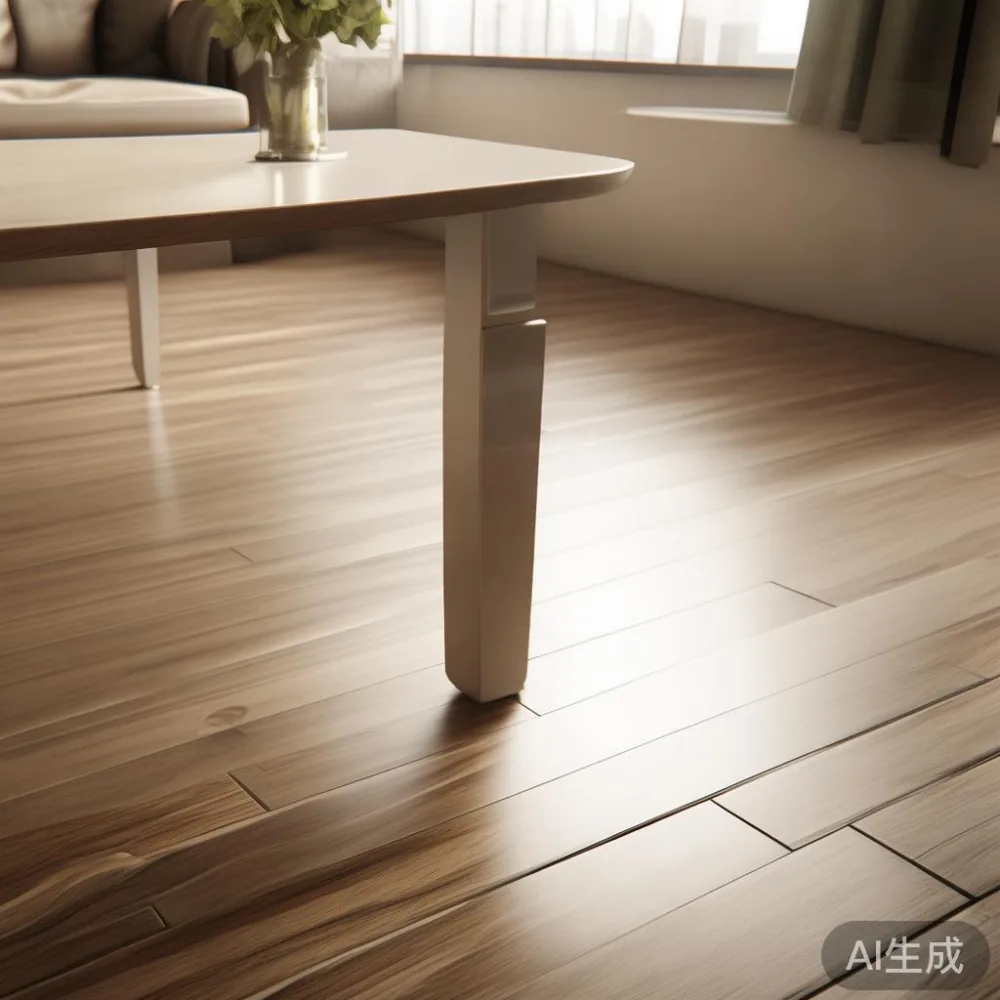
Singapore sits on the equator, and the climate reads like a permanent conditioner set. Annual relative humidity averages 78% to 82%, and daily peaks between 80% and 90% are normal from October through March. Lacquer is a sealed finish, often 5 to 9 layers of polyurethane or conversion varnish cured onto solid hardwood. Once cured, the film is waterproof on the surface but still breathes at the molecular level. When the surrounding humidity climbs, the wood substrate underneath the lacquer absorbs and releases water vapour every single day. The lacquer film, rigid and bonded to the substrate, flexes a fraction of a millimetre with every cycle. After 200 to 300 cycles, micro-cracks form at the molecular level and the once-glossy coat turns cloudy. That milky haze is trapped moisture and broken film, not dirt.
A second factor is the building itself. In most HDB blocks along Tampines Street 21, Bedok Reservoir Road, and Punggol Way, the lift car measures roughly 1.4 m wide by 1.8 m deep, with a door of about 0.9 m. A standard 1.2 m rectangular coffee table fits in only if the legs are unscrewed. Condo service lifts in some Treasure At Tampines or The Santorini blocks run a little deeper, around 1.6 m by 2.1 m. Knowing your lift clearances matters when a piece needs to be brought back to the workshop for refinishing, which is a service MIDHILL provides at no charge for the life of the piece, regardless of the original purchase year.
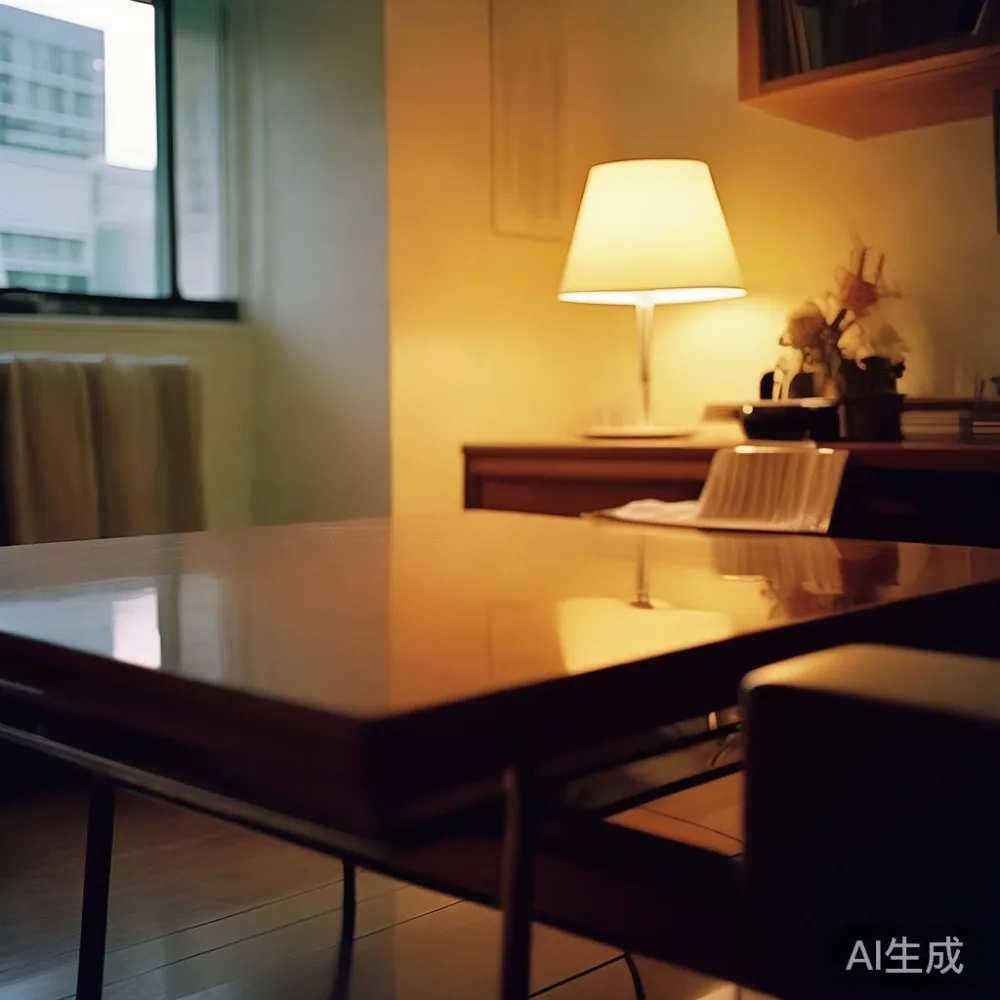
Salt is a third, quieter enemy. Condo windows near the coast in Sentosa Cove or Marine Parade get sprayed with fine salt mist during monsoon gusts. Salt crystals attract and hold moisture on the lacquer surface, so what looks like condensation is actually a salt-plus-water film that dulls the sheen within a season.
What daily habits actually protect a lacquered coffee table sg in the tropics?
The protective routine for a coffee table sg sits inside three concentric circles: control the room, control the surface, control the objects placed on it. Start with the room. Keep relative humidity between 45% and 60% using a small dehumidifier set on a hygrometer. A basic Xiaomi or De'Longhi unit draws 10 to 12 litres per day and costs about S$0.40 in electricity for a 24-hour run at 25 cents per kWh. Position the table at least 2 m from any window that receives direct afternoon sun, and 1 m from any air-con vent where the cold draft hits the surface every cycle.
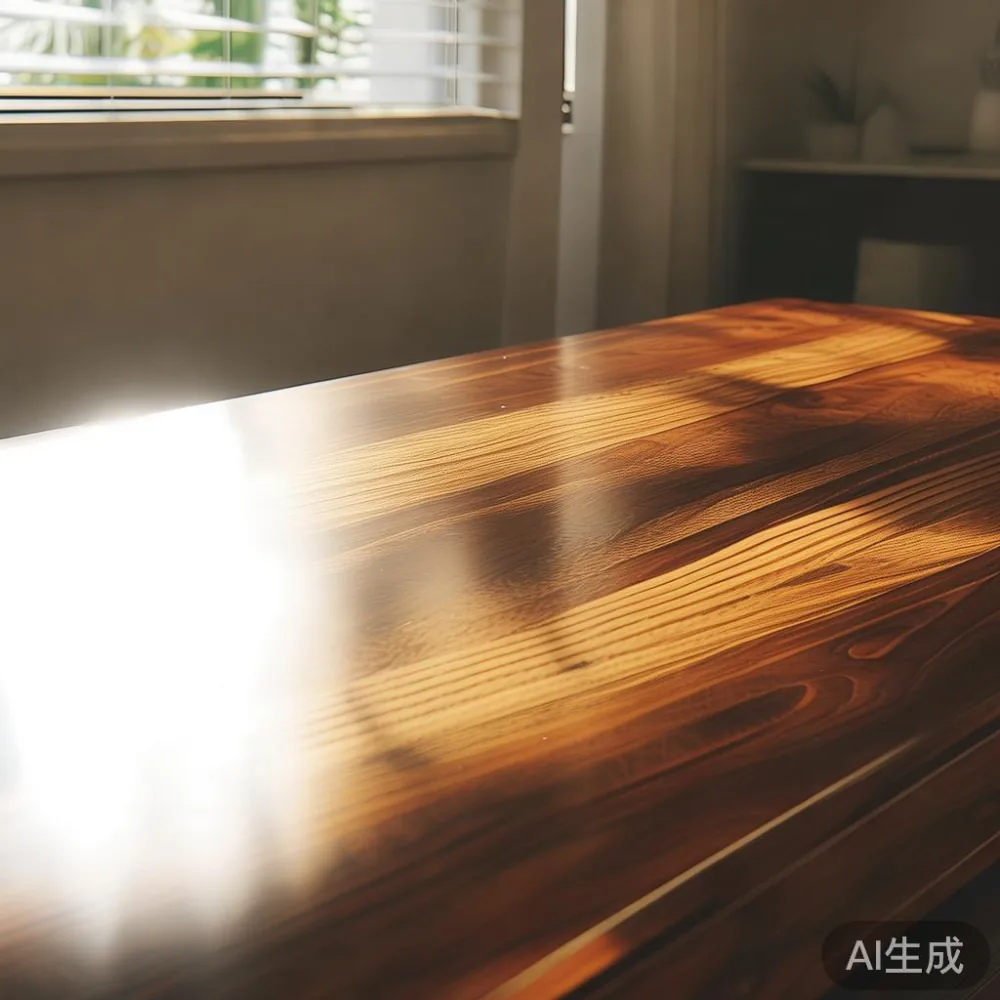
Wipe surface weekly using a clean microfibre cloth, dry or barely damp with distilled water. Distilled water matters because Singapore tap water contains 30 to 60 mg/L of dissolved minerals, and every wipe leaves a faint mineral residue that builds into a dull film over six to eight weeks. A 5-litre bottle of distilled water costs S$3.50 at any FairPrice Xtra and lasts a small household table about three months.
Control what touches the surface. Coasters for every glass, including cold ones. Trays under plants, because unglazed terracotta pots leach minerals. Felt pads under any ceramic or marble object, since a 1.5 kg marble bookend dragged once across lacquer leaves a scratch deep enough to catch a fingernail. This is where the investment in your room reflects interior design rather than furniture store display.
What cleaning products are safe on a lacquered finish?
Stick to three categories and ignore everything else. Plain distilled water for weekly dusting. A pH-neutral wood soap, diluted 1:20 with distilled water, for monthly cleaning. A dedicated lacquer polish, used no more than once a quarter, for occasional gloss restoration. The brands sold at departmental stores in Orchard Road or VivoCity all work, but the cheap ones often contain silicone, which builds up over twelve months and turns the finish cloudy under strong overhead light.
Avoid these entirely: vinegar, lemon juice, ammonia-based glass cleaners, bleach, furniture sprays containing silicone, magic erasers, baby wipes (the surfactants strip lacquer over time), and any oil-based polish marketed for antique wood. The lacquer film on a solid hardwood piece such as a coffee table, dining table, or nightstand is not the same as the penetrating oil finish on a teak garden bench. Treating one like the other is the fastest way to ruin a S$1,800 to S$4,000 investment.
For households that entertain often and see wine or coffee drips, keep a dedicated microfibre cloth and a small spray bottle of 1:20 wood soap within reach. Wipe the spill within 60 seconds and the finish will not mark. Leave it for 30 minutes and a faint ring will appear that requires professional buffing to remove.
Can I leave a lacquered coffee table near my window or air-con vent?
Distance is the cheapest insurance you can buy. A lacquered coffee table sg kept 2.5 m from a south-facing balcony window will outlast the same piece kept 0.5 m away by a factor of three, based on the warranty data MIDHILL has collected across their shipments into Singapore since 2014. UV radiation and heat load from a west-facing window degrade lacquer film by breaking the polymer chains at the surface, a process called photo-oxidation. It shows up first as yellowing on pale finishes and as micro-pitting on darker stains.
Air-con vents pose a different problem. A direct cold draft at 22 to 24°C blowing onto a lacquered surface that is also exposed to room air at 28 to 30°C creates a constant temperature gradient. The film expands and contracts at a different rate from the wood, and stress fractures begin at corners and edges within nine to fourteen months. If your sofa is positioned under the vent, the rain lands on the cushion, not the coffee table.
If you love natural light and want the room to feel open, install 3% to 5% UV-filtering film on the window glass. A standard HDB window costs about S$45 to S$80 to film, and the same treatment on a condo floor-to-ceiling panel runs S$180 to S$350 depending on panel count. The film reduces UV transmission by 90% to 95% and cuts visible glare by about a third, so the room still feels bright.
How to handle scratches, water rings, and the dreaded cloudy haze
Light surface scratches under 0.05 mm deep respond to a soft paste wax applied with a microfibre cloth, worked in circles, and buffed dry after ten minutes. Paste wax is sold in 200 g tins for about S$15 to S$25, and one tin treats a coffee table twelve to fifteen times.
White water rings from cold glasses usually sit in the wax and surface oils, not in the lacquer itself. Place a cotton cloth over the ring, press a warm iron at low heat for ten seconds, and lift. Repeat two or three times. The heat re-melts the wax and the cloth absorbs the trapped moisture. Dark water rings from hot mugs have already penetrated the lacquer and need professional refinishing. The piece needs to be transported back to the workshop, the old lacquer sanded off with 220 then 320 then 400 grit, and three fresh coats applied with 24-hour cure between each.
Cloudy haze across an entire surface means the lacquer film has failed at the molecular level. No household product will reverse it. This is where a lifetime refinishing service such as the one MIDHILL ships with every solid wood sofa, bed frame, dining table, wardrobe, and nightstand becomes worth real money. Send photos to the workshop on WhatsApp at +86 188 2788 2512 with the piece code, and the team arranges pickup and return within 14 working days for pieces under 80 kg. A coffee table refinish in 2026 costs S$180 to S$320 depending on size.
How does this apply to other lacquered pieces in the same home?
The same rules govern a lacquered dining table in a Punggol condo, a bedside nightstand in a Bedok HDB, and a marble-top side table in a Tampines walk-up. Wood movement responds to humidity, not to category. A solid wood dining table 1.8 m long expands and contracts about 2 to 3 mm across its width across a humid season, which is enough to stress the lacquer along the joints if humidity is uncontrolled.
If you are building a coordinated room around French light luxury or American light luxury pieces, plan the humidity control before the pieces arrive. Place a dehumidifier in the dining area, keep 3% UV film on the windows, and pick up a hygrometer for S$18 at any Challenger outlet. These three small purchases protect the entire set, which often runs S$8,000 to S$25,000 across a sofa, coffee table, and dining chairs.
The same logic applies to a post-modern light luxury bedroom suite, where a lacquered wardrobe, bed frame, and twin nightstands share one microclimate of climate and one set of habits. A wardrobe standing against an exterior wall in a Bedok corner unit will see more humidity swing than the bed frame on the interior wall, so position the wardrobe accordingly.
What is the best French bed for 2026 in a Singapore context?
The best French bed for 2026 is the one whose lacquer finish has been applied in a controlled-curing room, shipped in a sealed moisture barrier, and acclimatised in the bedroom for 72 hours before the first night. French light luxury bed frames tend to use a high-build conversion varnish cured at 50°C for four to eight hours, which produces a denser film than air-dry finishes. A solid hardwood frame from a maker with at least a 10-year structural warranty, kiln-dried to 8% to 10% moisture content, will move less in Singapore than a frame dried to 12% to 14%. Ask for the moisture content certificate before delivery. Reputable makers such as MIDHILL ship with that paper inside the crate.
For smaller HDB bedrooms in Punggol or Sengkang, a 1.5 m French bed leaves about 70 cm of useful left and right of the wardrobe for circulation and a 45 cm nightstand. For a 1.8 m king in the same room, the nightstand shrinks to 35 cm and the side table disappears. Plan the room layout before you pick the frame size, and the lacquer will outlast the bed springs.
Should I choose a marble table or a lacquered wood table for a tropical living room?
Both work, and the choice comes down to lifestyle. Marble is denser, holds a polish wipe, and it does not absorb humidity into a film. A marble coffee table sg kept in the same Tampines flat that hazed a lacquered piece would still look sharp, because marble breathes through the polished surface rather than a polymer film. The cost is weight. A 90 cm round marble table runs 45 to 70 kg, which matters when the lift in a 1970s HDB block in Bedok measures 1.2 m wide and the table must be carried through a 0.85 m corridor turn.
A lacquered wood table is lighter, around 18 to 28 kg for the same size, easier to move during spring cleaning, and warmer to the touch. The cost is the weekly care routine outlined above. If you entertain weekly and prefer a wipe-and-go surface, choose marble. If you read on the sofa every evening and want a warm surface for a teacup, choose lacquered wood with the care plan.
For a small living room in a 4-room HDB, a 90 cm round or a 100 cm by 60 cm rectangular piece leaves 70 to 90 cm of walking space to the sofa. Anything wider crowds the room and turns the table into an obstacle during weekend visits from the in-laws.
How to style European light luxury wardrobe in apartment layouts that change with the weather
Start with the room corners. In a HDB flat along Tampines Street 11 or Bedok North Avenue 3, wardrobes sit against interior walls to minimise humidity exposure from the external envelope. A European light luxury wardrobe in apartment settings works best when positioned 5 to 8 cm from the wall, never flush, so air circulates behind the panels. Add felt pads to the back corners to allow gentle movement as the wood breathes through monsoon shifts.
Inside the wardrobe, a small rechargeable dehumidifier box (S$25 to S$45) holds silica gel and runs for 30 to 60 days before needing a USB recharge. This keeps the interior between 50% and 60% RH, protecting both the wardrobe panels and any stored leather goods or linen. For modern European light luxury furniture across a whole flat, a single whole-home dehumidifier piped through ceiling vents in a new condo is a S$1,800 to S$3,200 install that protects every lacquered piece for ten to fifteen years.
What about Boho pieces and rustic small living room choices in the same household?
Boho and rustic pieces, often made from reclaimed teak or mango wood with a hand-rubbed oil finish rather than lacquer, behave differently. Oil finishes feed the wood rather than seal it, so a six-monthly re-oiling keeps the surface supple. Pieces marketed as for sale Boho furniture typically come pre-oiled with a hard wax oil that lasts 12 to 18 months in Singapore before needing a new application. The same humidity rules apply, but the recovery path is re-oil rather than refinish.
Rustic for small living room settings works because the rougher surface hides the small movements and small marks that would show on a high-gloss lacquer. A 90 cm round coffee table in reclaimed teak at 22 to 26 kg fits a 4-room HDB living room, pairs with a 2.4 m linen sofa, and tolerates children, pets, and the occasional monsoon window leak with grace that a French polished surface cannot match. If your lifestyle includes any of those three, rustic is the honest answer rather than a compromise.
Quick weekly checklist for a lacquered coffee table sg
Monday: check hygrometer, confirm RH between 45% and 60%. Wednesday: dry microfibre wipe of the surface, no product. Saturday: damp distilled water wipe with a fresh cloth, dry buff. Once a month: 1:20 wood soap wipe, dry buff. Once a quarter: paste wax on a high-use zone, buff after ten minutes. Once a year: inspect corners and edges for early haze, share photos with the maker if anything looks off. A coffee table sg under this routine keeps its gloss for the full ten-year structural warranty and beyond.
If you spot haze early, the maker refinishes the piece for a fraction of replacement cost. If you wait until the haze covers the entire surface, you still refinish, but you have lived with a dull piece for months. Catch it at month nine rather than month fifteen, and the room keeps its shine through every monsoon.
For households ordering their first lacquered piece, plan the room humidity before the delivery truck arrives. Lift dimensions, corridor widths, window film, dehumidifier, hygrometer, microfibre cloths, distilled water, coasters, felt pads. That list costs S$220 to S$400 depending on brand choices, and it protects a S$2,000 to S$6,000 piece of solid hardwood for the next decade. The room rewards the habit, and the lacquer rewards the room.