Caring for a Lacquered Coffee Table in Singapore: A Practical Guide for Humid HDB Homes
I learned the hard way that a tropical climate is not kind to lacquered furniture. Three years ago, I bought a glossy black coffee table from a local showroom, and within eight months the edges had developed a cloudy, white haze that no amount of Windex could remove. The culprit was humidity — Singapore's average relative humidity sits between 70% and 90% for most of the year, and that moisture had crept under the finish and started lifting it. When I refurnished my Tampines HDB flat last month, I made a point of asking the showroom in depth about lacquer care before signing for anything. This guide is everything I wish someone had told me on day one.
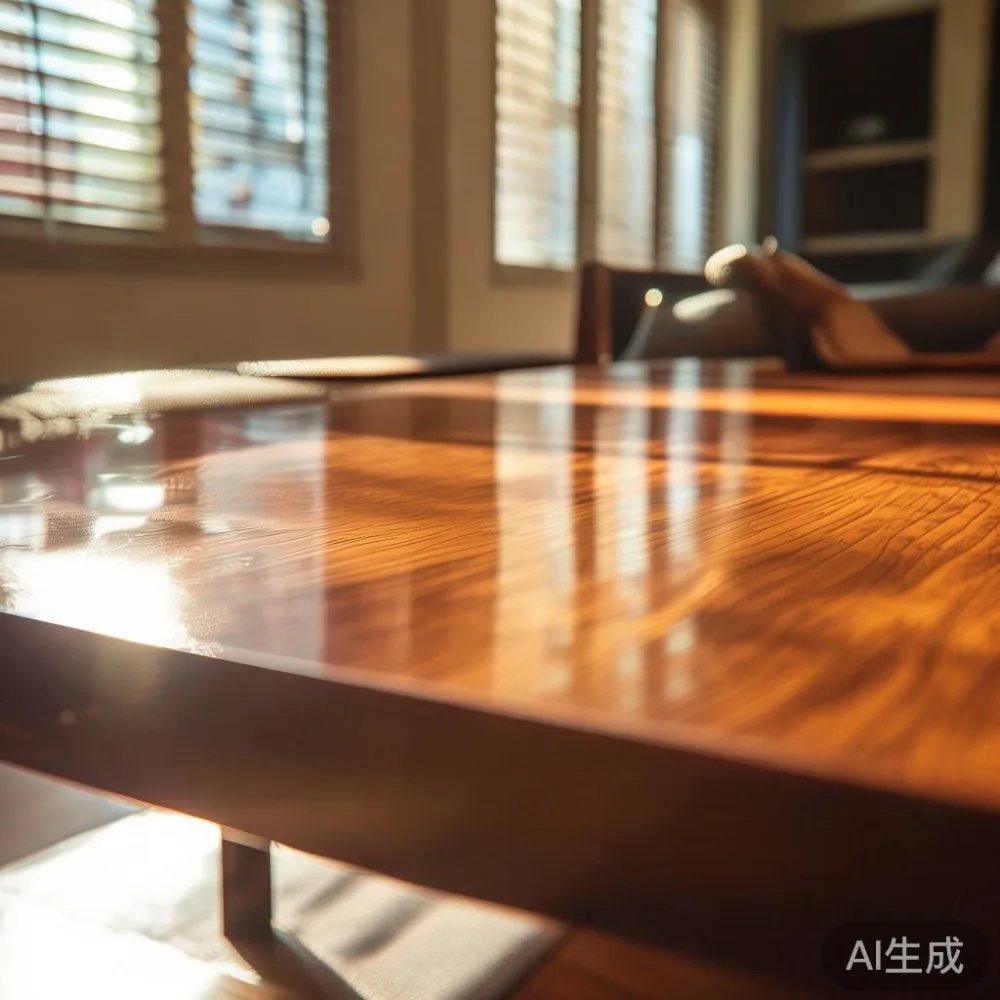
Why Does a Lacquered Coffee Table Fog Up in Singapore's Weather?
Lacquer is a cured film finish. It looks glassy because the resin hardens into a continuous shell, but that shell is not impermeable. In a Bedok walk-up with poor cross-ventilation, the morning humidity pushes warm, moisture-laden air against the cooler tabletop. The moisture condenses — the same physics that fogs up your bathroom mirror — and sits on the surface. Over weeks, those micro-puddles work their way into micro-cracks in the lacquer, and you get the dreaded white blush called "bloom." Solid wood moves with humidity, so the substrate is flexing slightly all the time, which puts mild stress on the finish. A coffee table sg piece that has been properly sealed with multiple coats of catalyzed lacquer can resist this for years, but a single thin coat of nitrocellulose lacquer may start failing within twelve months. Knowing which finish you bought is the starting point of any care routine.
What Is the Right Indoor Humidity for a Lacquered Coffee Table?
I keep my living room between 55% and 65% relative humidity with a small dehumidifier set to 60%, and my coffee table has not hazed since. The guidance is straightforward: aim for the same range you would want for a piano. Anything above 70% for sustained periods is when problems start. A SGD 89 dehumidifier from the nearest Tampines Mall department store is a reasonable investment if you cannot run air-conditioning all day. For households near the coast in Punggol or Marine Parade, where salt content in the air accelerates moisture damage, I would lean closer to 55%. Place a small digital hygrometer (SGD 15 to SGD 25 at any electronics shop) on the same console table as your lacquered piece so you can see the reading at a glance.
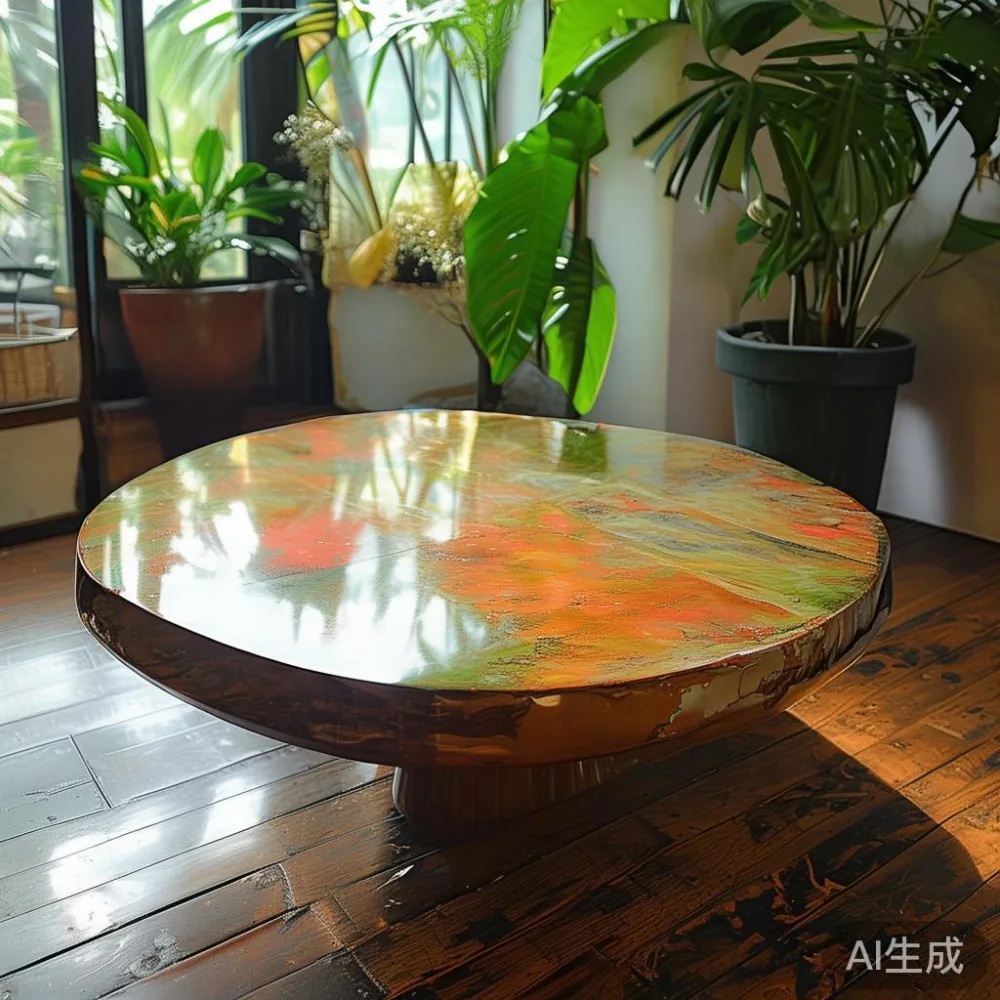
How Should I Clean a Lacquered Coffee Table Every Week?
Use a dry microfiber cloth first, then a cloth very lightly misted with plain water. Never spray directly onto the surface — overspray drifts down the edges and can lift the lacquer where it meets the wood. Skip the furniture polishes that contain silicone; they leave a film that attracts dust and complicates any future refinishing. If you have sticky spots from kopi spills or condensation rings under cold mugs, dab them with a cloth wrung out in a 50/50 mix of water and white vinegar, then immediately buff dry. Once every two months, I apply a thin coat of paste wax, buffed in small circles with a clean cotton rag. This is the same approach my colleague uses on the lacquered dining table at his condo in the River Valley area, and his piece still looks new after five years.
What Is the Difference Between NC, PU, and UV-Cured Lacquer — and Why Does It Matter for a Coffee Table SG Buyer?
You will see three common acronyms on a spec sheet, and they behave very differently here. NC (nitrocellulose) lacquer is the traditional thin, warm finish used on many vintage-inspired pieces. It is the least moisture-tolerant and most likely to bloom in a non-air-conditioned HDB bedroom. PU (polyurethane) lacquer is thicker, more chemically resistant, and far better suited to a coffee table sg daily-use surface. UV-cured lacquer is factory-polymerized under ultraviolet lamps, producing an exceptionally hard, low-VOC finish that resists water rings and alcohol spills. Most higher-end Asian factories now offer UV-cured topcoats as standard. If the spec sheet only says "lacquer finish" without naming the chemistry, ask before paying. The difference in price between an NC piece and a UV-cured piece is often only SGD 200 to SGD 500, and that is a sensible upgrade in a climate like ours.
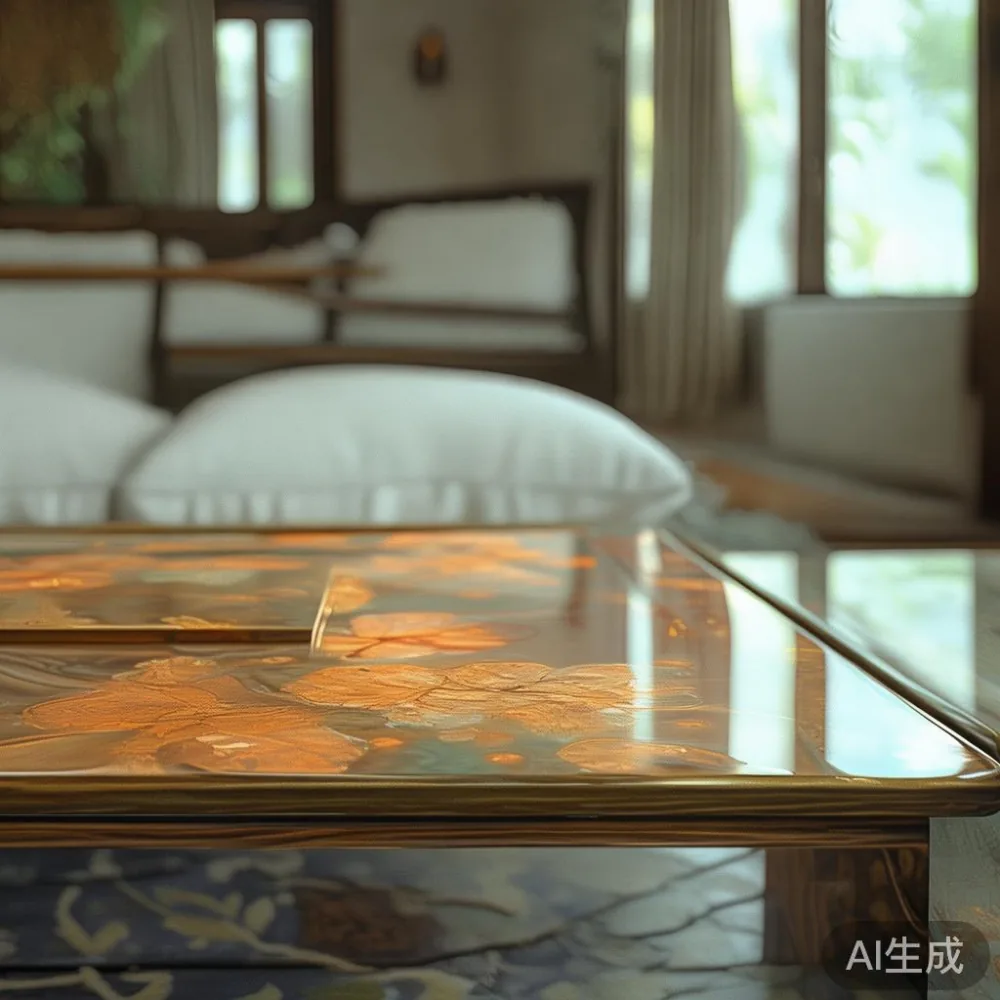
How Should I Move a Lacquered Coffee Table Through a Tight HDB Corridor and Lift?
This is purely a Singapore question, and it is more practical than people think. A standard HDB passenger lift internal cabin measures roughly 1.2 m wide by 1.5 m deep with a door opening of about 0.9 m. A typical rectangular 120 cm x 60 cm coffee table sg model will fit diagonally, but a 130 cm x 70 cm oval table will not — the long axis will not clear the door. Old HDB corridors in estates like Bedok and Tampines are about 1.2 m wide, and turning a bulky piece at the staircase landing can scratch the lacquer on the corners. The fix is to wrap the table in two layers of moving blanket, tape felt pads onto every edge, and slide the piece rather than carry it. If you have a 3-door lift or a service lift in a private condo, the door height is sometimes the limit instead — measure the lift entrance before delivery day. Most shipping services in Singapore charge SGD 60 to SGD 120 per floor if the lift cannot be used, and on the seventh floor without a service lift that becomes a real number on your invoice.
What Should I Do If the Lacquer Has Already Started Peeling or Hazing?
Stop cleaning it. Stop polishing it. Cover the affected area with a soft cloth to keep out more moisture, and contact the original seller for an assessment. Small hazing can sometimes be rubbed out with a fine polishing compound (3000-grit then 8000-grit) followed by wax, but anything beyond a faint cloud requires a professional refinisher. The good news is that a properly built solid wood sofa, bed frame, or dining table can be sanded and re-lacquered multiple times over its life. A thin MDF or veneer piece cannot — once the surface film fails, the substrate absorbs moisture and the piece is finished. This is one of the strongest arguments for choosing solid hardwood construction, which is the standard you will find in the MIDHILL wardrobe and matching console pieces we will discuss later in this section.
Does Sunlight Damage a Lacquered Coffee Table Near a Condo Window?
Yes — and the combination of UV and heat can yellow some lacquers in under a year. Floor-to-ceiling windows in newer Punggol condos are particularly aggressive because the afternoon sun hits the table directly. A UV-filtering film (SGD 18 to SGD 35 per square metre installed) will cut the damage without darkening the room visibly. If you cannot film the window, rotate the table 90 degrees every few weeks so the same edge is not always facing the light. The lacquer on marble table tops and stone-inlaid pieces behaves similarly — the resin binder in the finish is sensitive to UV even when the pigments are not.
Will My Warranty Cover Lacquer Problems in a Tropical Climate?
Read the warranty wording carefully, because most furniture warranties cover structural failure — joints loosening, frames cracking, drawer runners failing — and specifically exclude finish issues caused by humidity or improper care. A 10-year structural warranty is meaningful only if it includes the joinery of the piece, not just the lacquer. MIDHILL for example warranties the structural joinery of solid wood sofa, bed frame, dining table, wardrobe, and nightstand frames for ten years, and offers lifetime refinishing for customers who eventually want a fresh coat rather than a new piece. That kind of long-term support is more useful in Singapore than any one-time warranty extension, because refinishing every 8 to 12 years keeps a lacquered piece looking current without sending it to a landfill.
What Pads and Mats Should I Put Under Items on My Coffee Table SG?
Felt pads under every object that lives on the surface. I replace mine every six months because the adhesive degrades in this humidity and the pad slides off, ending up under the object and scratching the lacquer on its way out. Coasters under mugs are non-negotiable, especially for iced drinks where condensation runs onto the table. A fabric runner under a vase of flowers protects against water seeping out of the base. Avoid rubber or latex-backed mats because they can react with certain lacquer formulas and leave a permanent dark stain — I have seen this twice in clients' homes around the Bukit Timah area, and the stain does not buff out.
Can I Place a Lacquered Coffee Table in a Non-Air-Conditioned Room?
You can, but treat the choice of finish more carefully and shorten your maintenance schedule. Pick a UV-cured PU finish with a minimum of three topcoats. Keep a 20-litre dehumidifier running on low during the wettest months (November through February on the wider Singapore calendar, though we get rain every month). Polish the piece every six weeks rather than every two months. I have a friend's flat in Punggol with a Hokkaido-style low lacquered table in the living room and he has followed this exact routine for over four years with no bloom at all. The same advice applies if you are furnishing a Japanese-inspired reading nook — those minimalist frames pair naturally with a Modern light luxury accent chair, and you want the same level of finish care applied consistently across the set.
How Often Should a Lacquered Coffee Table Be Refinished?
For a piece in daily family use, expect to refinish every 8 to 12 years. For a formal living room piece that sees only weekend use, every 12 to 15 years is fine. Refinishing involves light sanding to scuff the old surface, wiping off dust with a tack cloth, then spraying two to three new coats of lacquer and letting each cure fully. A professional refinisher in Singapore typically charges SGD 280 to SGD 600 for a standard coffee table, depending on size and finish type. Compare that to the SGD 1,200 to SGD 2,400 price of a new designer Modern light luxury furniture piece and the math quickly favors restoration. Many people in Singapore treat furniture as disposable, but solid wood rewards patience.
How Do I Style a Lacquered Coffee Table Without Damaging the Finish?
Choose objects heavier than they look so they stay put and do not slide. A small ceramic vase, a single hardcover book, a brass tray — keep the surface 60% clear so you can wipe it in under a minute. If you want to layer textures, place a wool runner under a lacquered tray; the contrast is one of the signatures of post-modern light luxury styling, and it works equally well on a luxury European light luxury furniture setting as on a Japandi condo. One of the most common styling mistakes I see in Tampines and Bedok condos is the "everything on the tray" look, where the tray itself becomes useless because nothing can be lifted without rearranging five objects first.
What About Caring for Matching Pieces — the Bed Frame, Dining Table, and Wardrobe?
The same rules apply across the whole solid-wood set: stable humidity, dry microfiber dusting, no silicone polishes, felt pads everywhere. Lacquered dining tables need extra attention because hot pots and wet plates land directly on the surface during meals. I rotate my placemats weekly so the same stretch of wood gets a rest. For households working out how to style Japanese sofa in apartment settings, the lacquered dining table often doubles as the visual anchor, so its condition sets the tone of the whole room. A well-kept dining table that matches the MIDHILL wardrobe finish ties a flat together in a way that no new cushion or lamp can replicate.
Where Does MIDHILL Fit Into This Story?
MIDHILL has shipped lacquered solid wood pieces to Singapore for over a decade, including coffee table sg models designed for tropical humidity. Their standard practice is a UV-cured PU topcoat over a moisture-balanced hardwood substrate, which is the closest thing to a Singapore-proof lacquer available off the shelf. The 10-year structural warranty covers the joinery, and lifetime refinishing means a piece bought today can be re-coated in 2035 without buying again.
What Is the One Habit That Will Save Your Lacquered Surface?
Wipe it once a day. That is the whole secret. A 10-second wipe with a dry microfiber cloth removes the moisture film that humidity leaves behind, before it has time to do any chemical work on the finish. People who do this religiously rarely have refinishing bills. People who do not do it usually replace the piece within five years. If you take nothing else from this guide, take that habit. For shoppers browsing under 2000 Nordic furniture selections or wholesale Mid-century modern furniture suppliers, the lacquer conversation is the same conversation regardless of style. Light luxury means different things across regions — French light luxury leans toward deep walnut and piano-black finishes, American light luxury trends toward softer taupe and matte, post-modern light luxury plays with high-gloss lacquer in unexpected colors — but in every case the care is identical, because moisture and UV behave the same way regardless of trend. Choose the finish system, control the room, wipe daily, refinish on schedule.