How to Care for a Lacquered Coffee Table in a Tropical Singapore Home
A lacquered coffee table can make a compact HDB living room feel more composed, but Singapore’s heat, humidity, rain, and strong daylight can expose weak care habits quickly. The finish may look glass-smooth when new, yet moisture can swell the underlying timber, sunlight can fade pigments, and a damp ring left overnight can become a permanent mark. Good care is less about elaborate routines and more about controlling 4 everyday risks: water, heat, abrasion, and ultraviolet light.
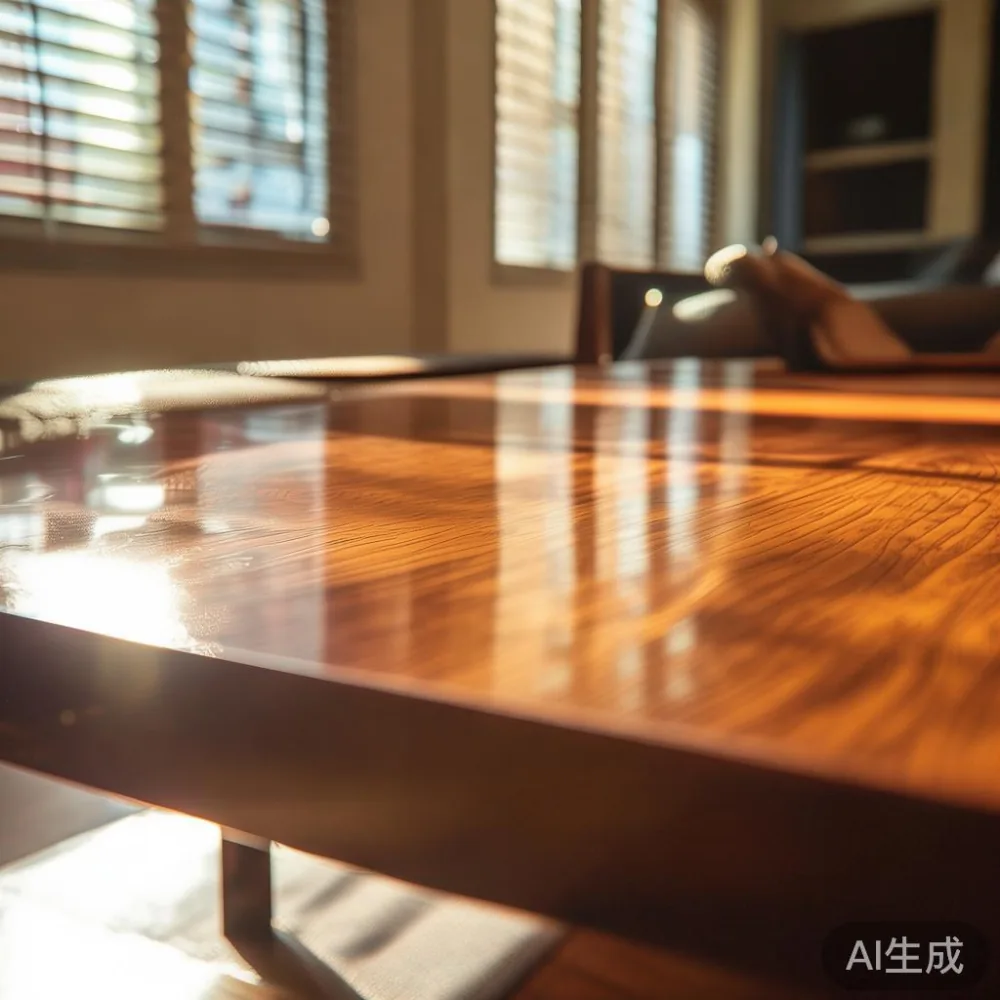
This guide applies specifically to lacquered solid wood coffee tables. It does not assume that every lacquer behaves the same way. Water-based and solvent-based lacquers, matte and gloss finishes, and factory-sealed versus site-finished surfaces can react differently. Check the maker’s care instructions before applying any product.
What makes lacquer vulnerable in Singapore’s climate?
Singapore’s outdoor air is warm and humid for much of the year. Relative humidity can move from around 60% on many afternoons to 85% or higher during rain, while a west-facing Tampines or Bedok unit may receive direct sun for 2 to 4 hours near sunset. Indoors, the issue is not just the weather but the combination of outdoor humidity, air-conditioning, and heat from appliances.
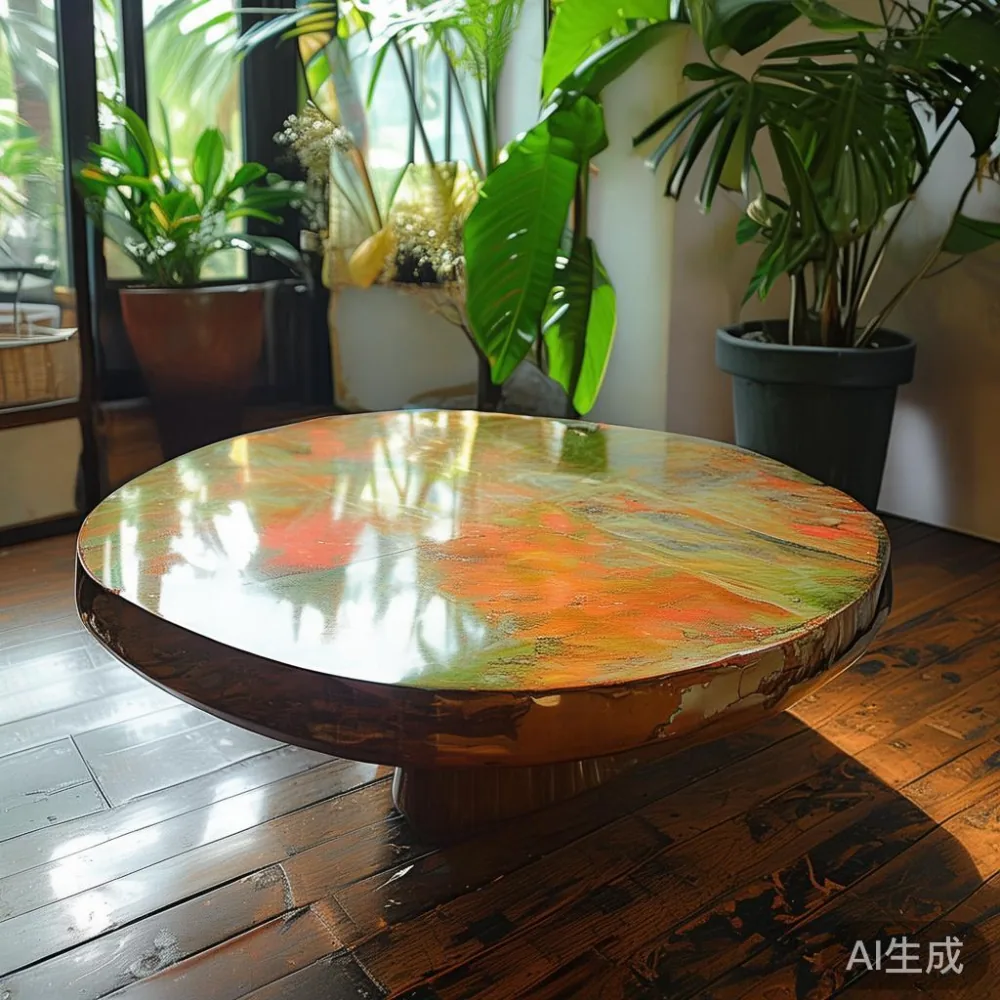
Wood naturally exchanges moisture with the surrounding air. Lacquer slows that exchange, but it does not make the table immune to changes in humidity or temperature. A lacquered top should generally be kept between 40% and 65% relative humidity if practical. That range limits expansion and contraction, especially around veneer joints, edges, and engineered components beneath the finish.
Heat is another concern. A surface can reach 60°C when placed near a sunny window, although a table surface generally experiences less heat than a dark metal rail. Sudden temperature shifts matter more than a stable warm temperature. Avoid sliding a cold drink or room-temperature vessel directly onto a hot section of lacquer. Use a coaster and let the table return to its normal temperature first.
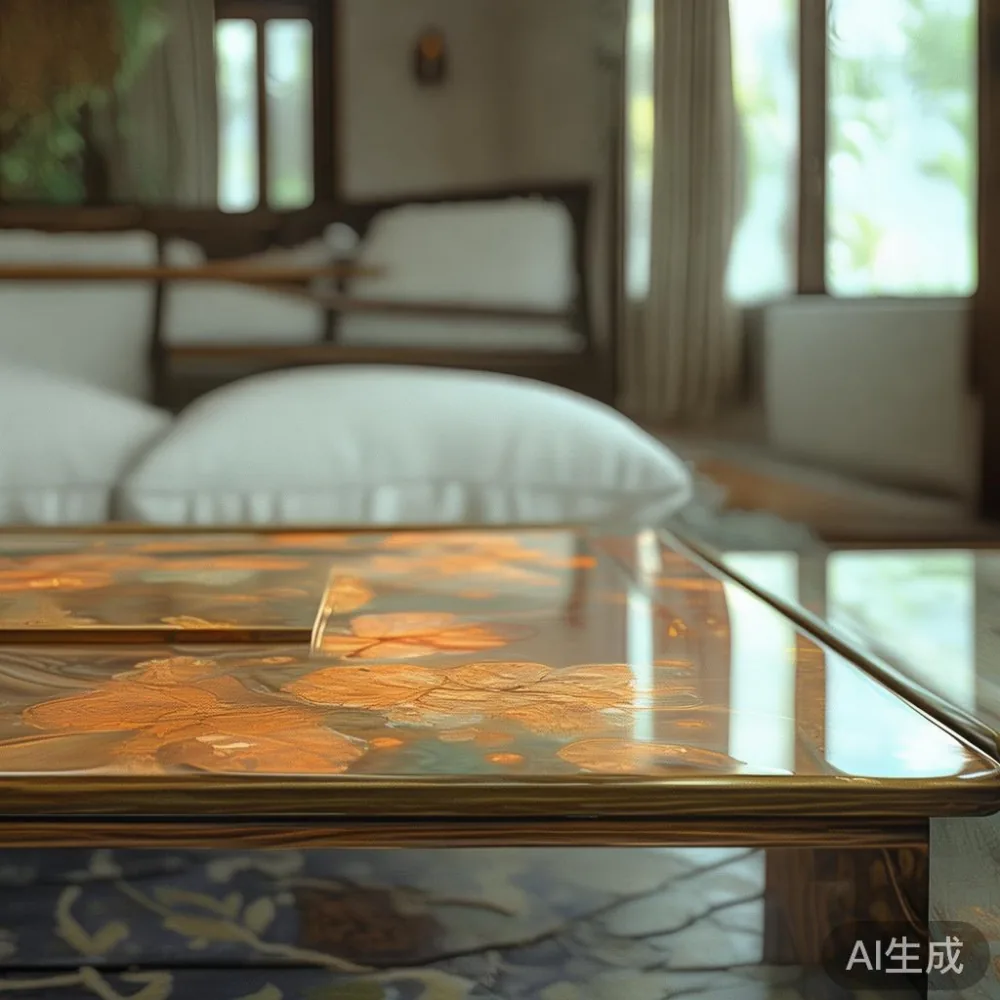
Daylight can also discolour both the lacquer and the timber beneath it. If a coffee table sg design sits in a west-facing HDB flat or a Punggol condo with full-height glazing, UV-filtering curtains or blinds provide practical protection. Keep the table at least 30 cm from the window where possible, and use curtains with a UV transmittance below 10% when they are available.
How should I clean a lacquered coffee table?
Start with the mildest method: a clean, dry microfibre cloth. Dust weekly with light pressure so grit does not drag across the surface. For marks, lightly dampen a second cloth with plain water, wring it until no water drips, and wipe the area. Follow immediately with a dry cloth. This two-cloth method leaves far less moisture on the lacquer than spraying cleaner directly onto the table.
Use pH-neutral soap diluted in water only after dust and water marks have been tested in a concealed area. A practical mixture is 5 ml of mild dishwashing liquid in 500 ml of lukewarm water. Apply it to the cloth rather than the tabletop, then remove residue with a clean damp cloth and dry the surface. Avoid abrasive pads, steel wool, household bleach, ammonia, alcohol-based glass cleaner, and furniture wax unless the finish manufacturer explicitly approves them.
Spills should be addressed within 5 minutes. Blot rather than rub, lift solids with a soft scraper or folded cloth, and clean the residue using the damp-cloth method. Do not place a wet vase, potted plant, or ice bucket on the lacquer. Even a base that appears dry can leave an oily ring around the contact zone.
Last month, I visited a customer in Tampines whose lacquered table had developed a cloudy patch after a chilled drink was left on it for about 30 minutes. The mark was not deep damage. The owner had treated it with abrasive cleaner, which had dulled the surrounding gloss. With the right lacquer-specific polish and several careful applications over 14 days, the patch became much less noticeable. The experience confirmed why an immediate blot and a product compatibility test are preferable to aggressive rubbing.
How do coasters, mats, and trays protect the finish?
Every drink should have a barrier. Felt or cork coasters should be at least 8 cm across for a standard cup, and larger for a 12 cm mug or wine glass. Replace a coaster when its edges become rough or curled. A placemat should not have a rubber backing that can trap moisture or leave a chemical imprint.
For a serving tray, choose hardwood, lacquered metal, stone, or marble. A marble table may be visually durable, but the lacquered wood table still needs protection from heat and moisture; a tray does not eliminate that need. Place the tray on 4 small felt pads rather than letting its entire base stick to the wood. For dining-table-height work over a coffee table, use a stable platform that does not wobble.
Protect writing and working areas with a suitable desk mat. Be cautious with ballpoint pens and permanent markers because ink can penetrate tiny scratches. Do not use a craft knife directly on the lacquer. If a table doubles as a dining table during a family meal, its lacquer should have been specified for that level of use rather than selected only for appearance.
Furniture retailers often carry several product categories under one roof, so material knowledge still matters. A solid wood sofa, bed frame, dining table, wardrobe, and nightstand may each use different finishes. Lacquer instructions for a bedroom nightstand should not automatically be applied to a high-contact coffee table. Likewise, a solid wood sofa may be upholstered while its frame receives a different lacquer, so always identify the exact component and finish.
Is humidity bad for lacquer, and how do I control it?
Persistent humidity is harmful mainly because it encourages movement in the wood and can encourage mould around nearby objects. Lacquer itself does not grow mould, but dirt trapped under a coaster, along an edge, or beneath a decorative object can retain moisture for days.
Keep the table 15 to 20 cm away from an external wall if condensation is visible, and 30 cm or more from a window. In an HDB flat, use a bedroom or living-room dehumidifier when the indoor reading exceeds 65%. A moderate model should maintain the room between 50% and 60% rather than attempting to make the air dry and cold. Run it for 3 to 6 hours daily during humid periods, with the intake and outlet unobstructed by 30 cm.
Air-conditioning lowers humidity but can create condensation on cold surfaces. Direct the airflow away from the table, and remove any pooled water around the legs. Wipe the underside and edges every 2 weeks in coastal homes or during heavy rain. Never use a steam cleaner, pressure washer, or wet mop on the table.
Seasonal movement is not always a defect. A solid timber top may develop fine lines as it responds to humidity. A lacquered finish needs to remain bonded to the wood, and the movement pattern should remain consistent. A crack that opens suddenly, a soft area, or a lifting edge needs assessment rather than cosmetic polishing.
What should I do about scratches, dents, and dull spots?
First establish whether the mark is in the lacquer, in a coating of dirt, or in the wood beneath. Clean the surface before reaching for a repair product. Hairline scratches that catch a fingernail may only need a compatible polish; deeper splits, gouges, or exposed wood require a more deliberate repair process.
Use only a polish intended for lacquer, following its label over a 48-hour test area. Apply a quantity about the size of a 2 SGD coin on a soft cloth, work with light pressure, and buff after the stated interval. Several thin applications are usually safer than one heavy application. Test any oil-based treatment first because it can darken the area or make a glossy surface patchy.
For small surface chips, a specialist can spot the lacquer and feather the repair into the surrounding finish. Deep damage involving moisture or a lifted edge should be treated as a structural-finish issue. Do not sand aggressively at home. A 180-grit sheet may remove the gloss quickly, while 600 grit can reduce a visible transition but cannot recreate the original factory coating by itself.
Light-luxury styling makes careful finish matching especially important. French light luxury often uses pale woods, cream upholstery, and reflective surfaces; post-modern light luxury may combine lacquer with darker timber and geometric forms. In either case, a visible repair can disrupt the intended visual balance. One isolated coffee table sg in a carefully coordinated room should not be handled as though it were a disposable utility surface.
Can sunlight fade the colour or haze the lacquer?
Yes. Prolonged UV exposure can fade a colour, and high humidity combined with heat can create a hazy appearance that is sometimes mistaken for damage. Curtains, blinds, UV film, and careful placement are more dependable than repeated polishing.
Rotate the table’s orientation every 3 to 6 months if one side receives stronger light. Use coasters and centrepieces that do not trap water beneath them. Check behind objects every month for a faded “ghost” outline. If the whole top has yellowed evenly, the cause may be ageing or the finish itself; if one patch differs sharply, investigate spills, heat, and cleaning products.
Do not promise that a household restoration method will restore factory colour. Light differences caused by UV exposure may not reverse evenly. A refinishing specialist can sometimes correct the lacquer, while timber sanding and re-staining can change the appearance more substantially.
How do lift and corridor widths affect furniture care and delivery?
A Singapore home’s access route can determine whether a coffee table can be moved for deep cleaning or taken to a workshop. HDB corridors and common lift lobbies are often narrower than large furniture showrooms imply. Before delivery, measure the narrowest lift door, the corridor turns, and the route into the flat.
Give the supplier accurate dimensions rather than estimates. A common HDB lift door may measure roughly 80 to 90 cm wide, while the internal lift car may be about 110 cm deep and 140 cm wide. These figures vary by block, so check the specific lift plate or ask the building office. For a condo, account for the parking lobby, security gate, service lift booking, and the minimum turning space near the entrance.
A coffee table with a 120 x 60 cm top can often enter a lift diagonally, but the legs, packaging, and turning radius still count. A 140 x 70 cm top may need a wider doorway or two-person handling. Ask for an unboxed dimension and a packaged dimension, and specify whether the delivery team will carry the item through common areas or only into the flat.
MIDHILL has exported since 2008 and offers a 10-year structural warranty, lifetime refinishing, and delivery to Singapore. GST and the final SGD charge should be shown clearly; do not compare a GST-inclusive figure with a pre-GST quotation. Free shipping terms should also be checked against the destination, because an oversized table may attract a freight surcharge even when the order total is above US$350. Allow 7 to 21 delivery days after production, with longer lead times for made-to-order lacquer work.
How do I know when a damaged lacquered table needs professional care?
Professional attention is sensible when scratches expose timber, the lacquer lifts in sheets, moisture enters a joint, the finish separates around an edge, or a repair cannot blend with the original sheen. Do not wait for mould or swelling to develop. Photograph the affected area in daylight, record its dimensions in centimetres, and keep the table away from further moisture.
A product intended for another category should not become the model for a repair decision. A solid wood sofa and its frame may use lacquer, but foam and upholstery require different care. A bed frame may have sealed internal parts, a dining table may carry heavier wear, and a wardrobe may use high-gloss or textured lacquer with different solvents. The same applies to a marble table, whose stone needs its own stain guidance. Only a coffee table’s actual finish sheet and construction should guide the treatment.
Design planning can also affect long-term care. If the room is very small, a low-profile design preserves circulation and reduces accidental knocks. A guide on Scandinavian for small living room can be useful, but the finish should remain the priority when the table sits directly in a sunny or humid zone. Likewise, a note on Boho for guest room may describe an accent table in a multipurpose room, yet it should not imply that decorative styling removes the need for coasters.
Other product-planning phrases should be treated with the same precision. A guide on how to choose Mid-century modern sofa concerns comfort and frame proportions, not lacquer repair. A comparison of light luxury sofa vs Nordic sofa addresses visual direction, while a Mid-century modern dressing table is a different furniture type with different surfaces. A listing for sale European light luxury furniture should still provide accurate species, finish, dimensions, and care requirements rather than using style as a substitute for technical information.
What is a practical care routine for a Singapore home?
A manageable routine takes less than 20 minutes each week. Dust the top with a dry microfibre cloth, check coasters and felt pads, and wipe any sticky residue promptly. Once every 2 weeks, clean the edges and underside lightly and inspect beneath planters, trays, and ornaments. Every 3 months, check humidity, sunlight exposure, and any change in sheen.
Maintain 45 to 60 cm of clear space around the table where the room allows it. This reduces scuffs from passing movement and lets air circulate during humid weather. Use a stable, flat arrangement for trays and avoid heavy ornaments near the edge. Keep indoor plants on a waterproof saucer, and replace wet soil promptly if it spills.
For scratches, follow the sequence of cleaning, compatibility testing, and gentle polishing. For spills, blot and dry within 5 minutes. For sun exposure, move the table or close a curtain before the UV level becomes excessive. For structural symptoms, stop applying household products and obtain an assessment.
A lacquered coffee table sg can remain attractive for years when the finish is understood as a protective system rather than an indestructible coating. Solid timber, precise joinery, correct lacquer application, and disciplined daily habits matter more than frequent chemical treatment. In a tropical city, the most effective care products are often a clean cloth, a barrier under every vessel, controlled humidity, and shade from direct sunlight.