The 5-Year Financial Reality Check: Veneer vs Solid Wood Coffee Tables in Singapore
In the intimate space of a Singapore living room, the coffee table does more than just hold mugs and remotes. It anchors the room, reflecting personal style and, for many homeowners in HDB flats and condos across Tampines, Bedok, and Punggol, it represents a significant investment. With the constant consideration of GST and long-term value, the choice between a veneer and a solid wood coffee table is a financial and aesthetic one. This article provides a detailed, five-year cost comparison, examining the initial purchase, maintenance, potential repairs, and eventual replacement to determine which option offers a better return on your investment over time.
What Exactly Are We Comparing? Understanding Veneer and Solid Wood
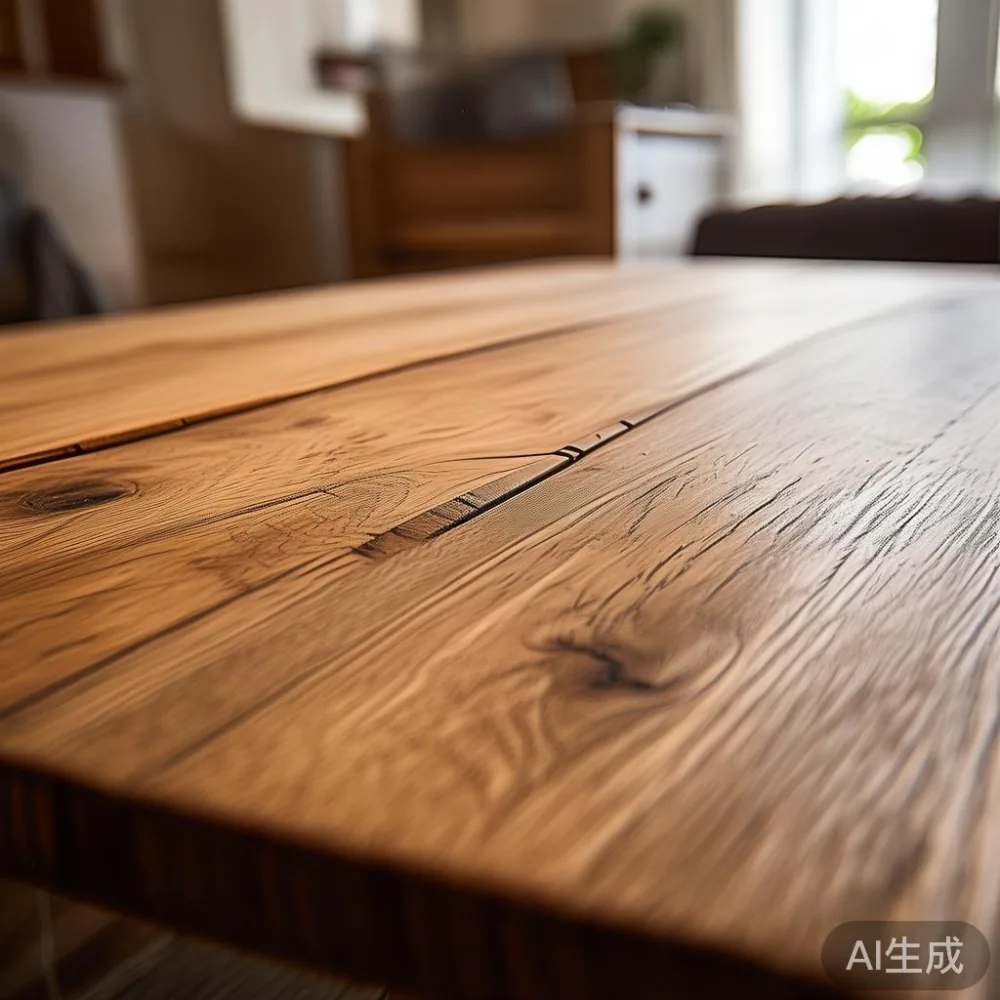
To begin, let's establish a clear distinction. A solid wood coffee table is crafted from a single piece or multiple pieces of genuine wood, such as oak, walnut, or teak. The structure, from the legs to the tabletop, is made of this natural material. This means every surface, edge, and leg is authentic wood. In contrast, a veneer coffee table uses a thin layer of real wood, often just 0.3 to 0.6 millimetres thick, glued over a composite core like MDF (Medium-Density Fibreboard) or particleboard. The visible surface is wood, but the internal structure is engineered wood. Understanding this fundamental difference is key to analysing the long-term costs, as it affects everything from weight and durability to how the piece responds to Singapore's humid climate.
The Upfront Investment: Initial Purchase Price and Delivery
The most immediate difference between veneer and solid wood coffee tables is the initial price point. A veneer coffee table sg is generally more affordable. For a standard rectangular model measuring 120 cm by 60 cm with a height of 45 cm, a veneer option might cost between SGD 450 and SGD 750. These tables are lighter, often weighing between 18 kg and 25 kg, making them easier to manoeuvre through Singapore's standard HDB or condo lift and corridor widths. Delivery is usually quick, with many online retailers offering it within 5 to 7 business days. A solid wood coffee table sg of the same dimensions, however, commands a higher price. Due to the quality of the material and the craftsmanship involved, the cost can range from SGD 1,200 to over SGD 2,500. The weight is significantly more, typically between 35 kg and 50 kg, which can influence delivery logistics and potentially incur higher fees. Delivery for a solid piece might take 7 to 10 business days. The initial price difference is substantial, but this is only the first chapter in the financial story.
Year 1-2: Settling In and First Signs of Wear
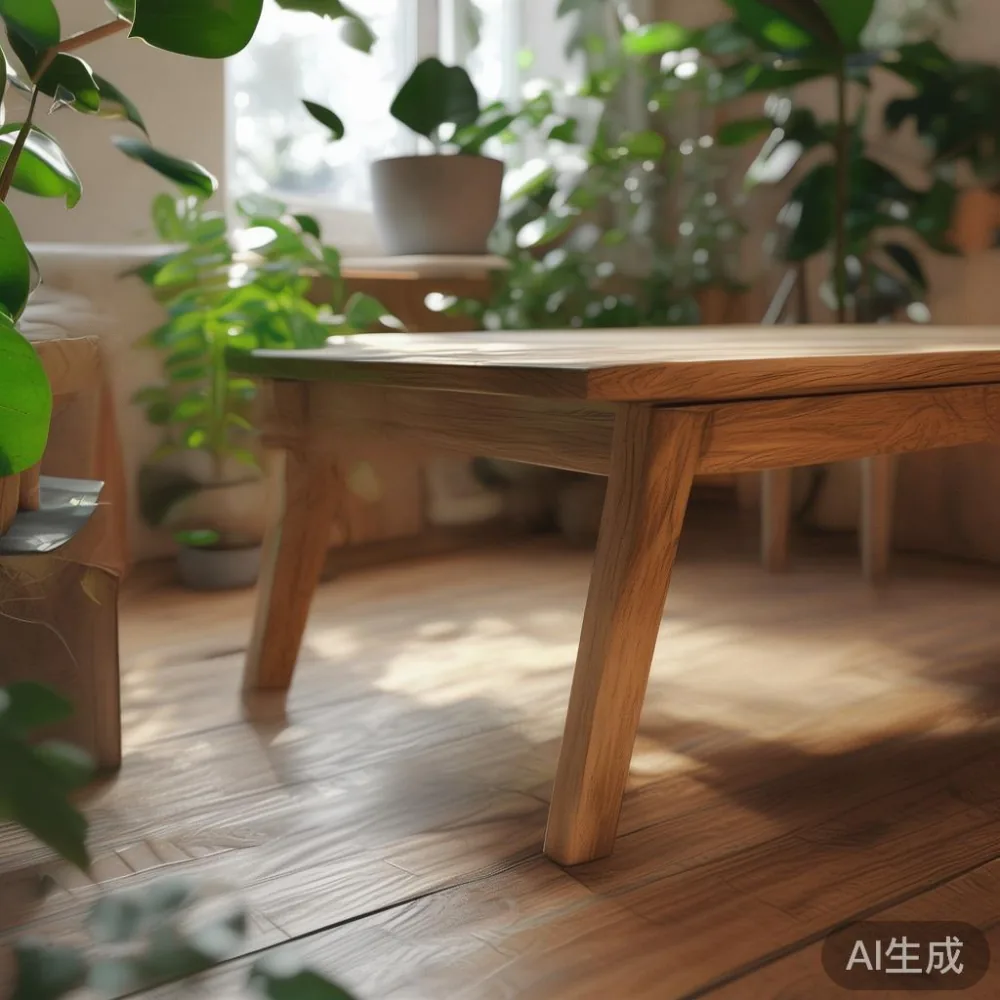
The first couple of years are where the initial maintenance costs begin to emerge. For a veneer coffee table, the primary concern is moisture resistance. Singapore's high humidity can cause the thin wood layer to warp or peel at the edges if not properly cared for. A good quality veneer table should be treated with a protective wax or polish every 3 to 6 months. A high-quality wood polish costs around SGD 40 to SGD 60 per bottle, and you might use one bottle per year. Scratches are also a common issue. A deep scratch on a veneer surface can be difficult to repair without the specialised skills of a professional refinisher, which can cost SGD 100 or more for a minor touch-up. Solid wood, on the other hand, is much more forgiving. It naturally breathes and adjusts to humidity changes, making it more stable in Singapore's climate. Initial maintenance might involve applying a protective oil, costing SGD 50 to SGD 80 per year, to enhance the wood's natural resistance and lustre. Minor scratches on solid wood can often be buffed out by the owner with a simple scratch repair kit costing under SGD 30, making it a more user-friendly option for those living active lifestyles in smaller spaces.
Year 3-4: The Turning Point and Repair Costs
By the third and fourth years, the true cost of ownership starts to become apparent, especially in a household with children or frequent entertaining. A veneer coffee table sg is more susceptible to damage. A hot mug placed directly on the surface without a coaster can create a permanent white heat ring. Spills, if not wiped up immediately, can seep into the MDF core through the seams, causing the wood veneer to bubble and delaminate. Repairing this kind of damage is often not cost-effective. A professional to fix a bubbled veneer section might charge SGD 150 to SGD 250, and the result may not be perfectly smooth. For many, this level of damage signals the beginning of the end for the table. A solid wood coffee table handles these situations far better. A heat ring can often be steamed out or sanded down and refinished. A spill is simply a wipe-up job. The structural integrity of a solid wood piece is far superior. Legs are less likely to wobble, and the tabletop is less prone to sagging. While a solid wood table is not indestructible, its ability to withstand daily wear and tear without catastrophic failure is significantly higher, reducing the need for expensive professional repairs during this period.
Is a Solid Wood Coffee Table Really Worth the Higher Initial Cost for Singapore Homes?
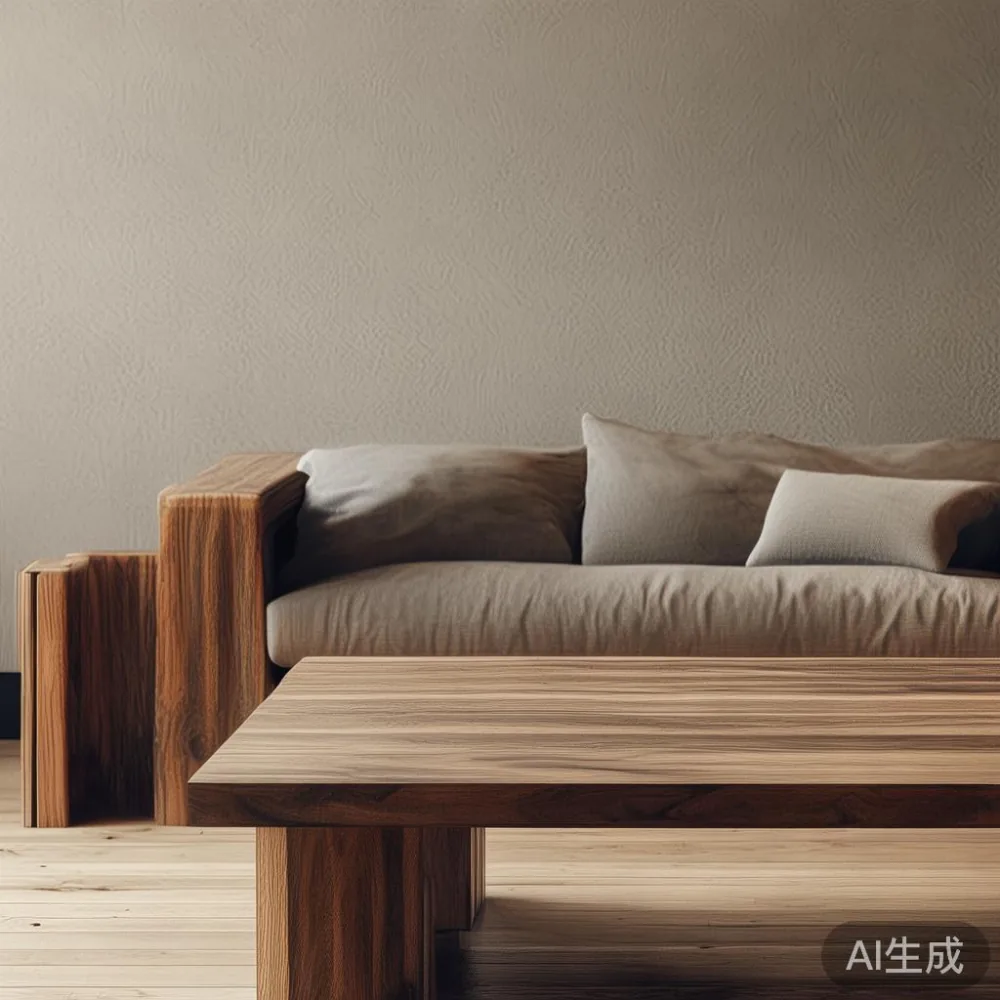
This is the question on the mind of many homeowners weighing their options. The answer lies in the total cost of ownership over five years. Let's do the math for a typical Singaporean family. A veneer table costs SGD 600. Maintenance over 5 years: SGD 40 (polish) x 2 years = SGD 80. A major repair for bubbling veneer at year 3: SGD 200. By year 5, the damage is often too extensive, and the family opts for a replacement. Total cost over 5 years: SGD 600 + SGD 80 + SGD 200 + SGD 600 (replacement) = SGD 1,480. A solid wood table costs SGD 1,800. Maintenance over 5 years: SGD 60 (oil) x 5 years = SGD 300. A minor scratch repair kit used once: SGD 25. At the 5-year mark, the solid wood table looks aged but is structurally sound and can be professionally refinished for a new look. A refinishing service costs around SGD 350. Total cost over 5 years: SGD 1,800 + SGD 300 + SGD 25 + SGD 350 = SGD 2,475. While the solid wood option has a higher upfront cost, it does not require replacement within the 5-year period. The veneer option, while cheaper initially, often leads to a full replacement, making the long-term financial picture more complex. For those who appreciate the timeless appeal of a piece that can be renewed, the investment in solid wood offers a different kind of value.
The Aesthetic and Lifestyle Value in a Singapore Context
Beyond the numbers, the choice is about aesthetics and lifestyle. A solid wood coffee table has a warmth and character that deepens over time. It fits beautifully with a variety of interior design styles, from a minimalist post-modern light luxury aesthetic to a more classic French-inspired light luxury look. The natural grain and imperfections tell a story. For a family in a Punggol EC with an open-concept layout, a substantial solid wood table can define the living space. Veneer tables can look modern and sleek, but they often lack the same depth and texture. They can feel more mass-produced. The weight and sturdiness of a solid wood piece also provide a sense of permanence that a lighter veneer table cannot match, which can be appealing for those who plan to stay in their Tampines or Bedok HDB for many years. The decision is not just about money, but about the kind of home environment one wants to create.
Long-Term Value and Sustainability
When considering a 10-year or even lifetime perspective, the value proposition of solid wood strengthens significantly. A well-made solid wood coffee table is an heirloom piece. It can be moved from a first condo in Bedok to a larger landed property in the future, always retaining its value and function. Its durability means it will not end up in a landfill after a few years. This is a key aspect of modern, conscious living. Veneer furniture, with its composite cores, is much harder to recycle and has a much shorter lifespan. The environmental cost of producing and then quickly discarding furniture is a factor for many eco-conscious consumers. While the initial outlay is higher, a solid wood purchase is an investment in sustainability and a piece of furniture that will not need to be replaced, aligning with a more thoughtful approach to consumption. For those exploring how to choose Italian light luxury bed or an Italian light luxury wardrobe for their master bedroom, the same principle of long-term value and timeless design applies, making the entire home's decor more cohesive.
My Personal Experience: A Tale of Two Coffee Tables
Last month, I visited a colleague's new apartment in a Tampines HDB. He had recently furnished his entire living room and was showing off his new pieces. He had purchased a beautiful-looking veneer coffee table sg for SGD 650 from a popular online retailer. It was sleek, modern, and fit the space perfectly. However, as we sat down, he pointed to a small, bubbling patch near one of the legs. 'My son knocked over a water bottle last week,' he explained, 'and it seeped in. I'm already looking at quotes to fix it, and it's almost half the price of the table itself.' He mentioned that his light luxury sofa vs French provincial sofa debate was easier, as he chose a durable fabric. His experience is a common one. It highlights the hidden costs and fragility of veneer. A solid wood table, while a larger initial investment, offers peace of mind and a piece that can truly withstand the test of time, which is something you can appreciate every single day.
Final Thoughts: Making an Informed Choice for Your Home
The five-year cost comparison reveals that the 'cheaper' veneer option can become more expensive when you factor in repairs and premature replacement. A solid wood coffee table represents a more significant initial financial commitment, but it offers superior durability, easier maintenance, and a timeless aesthetic that adds lasting value to a Singapore home. For those who appreciate craftsmanship and want a piece that can be refinished rather than replaced, the choice is clear. It's an investment in quality, longevity, and a beautiful living space. Whether you are furnishing a small studio in Bedok or a spacious condo in Punggol, choosing a well-made piece like a solid wood coffee table is a decision that you and your family will enjoy for years to come, without the constant worry of it falling apart. This philosophy extends to other furniture as well; finding the best Japanese bed for 2026 or an Italian light luxury sideboard involves a similar focus on quality materials and construction for a truly lasting home.