What Actually Drives the Price of Solid Wood Coffee Tables in Singapore?
A solid wood coffee table can cost several hundred or several thousand Singapore dollars, yet the price tag alone tells only part of the story. Species, board construction, joinery, finish, dimensions, hardware, delivery, and after-sales support all affect the final figure. For Singapore buyers furnishing an HDB flat in Tampines, a Bedok condo, or a Punggol home, practical constraints also matter: Will the table pass through the lift? Will it fit along the corridor? Is the surface suitable for hot drinks and daily use?
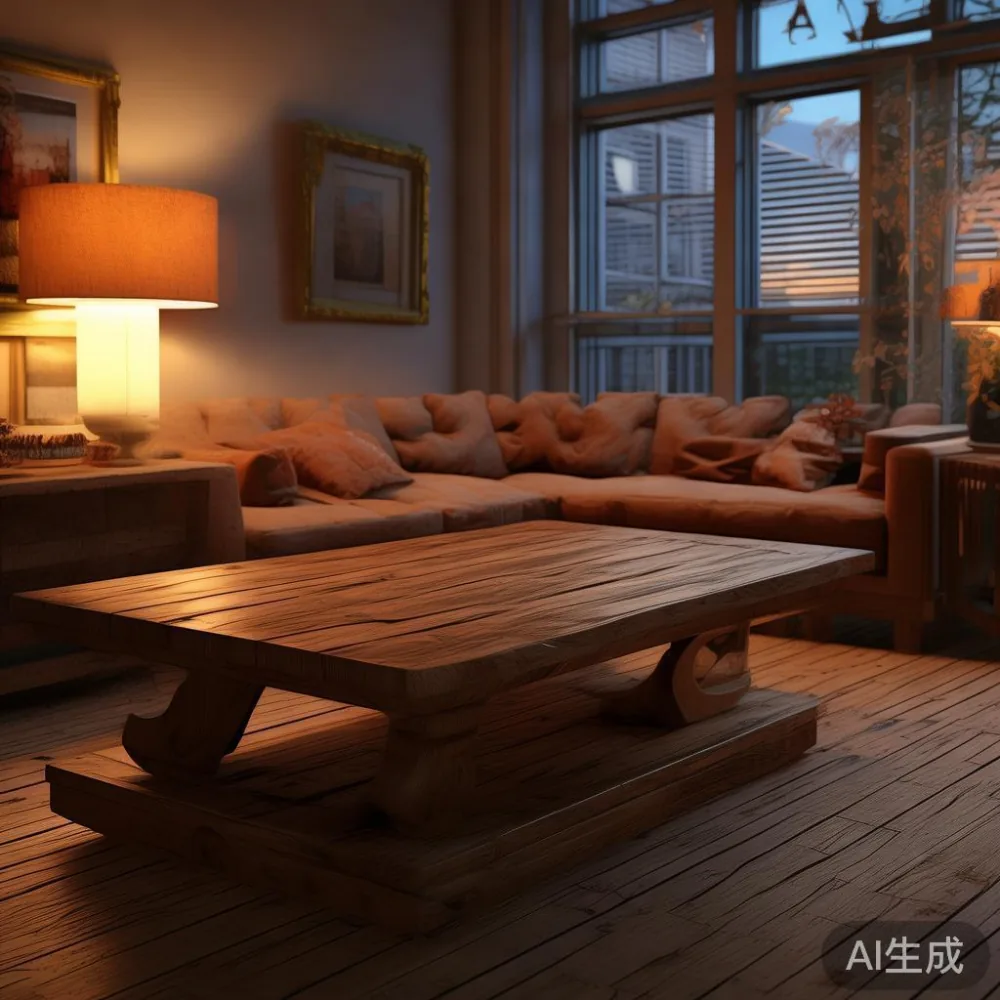
At MIDHILL, a Foshan solid wood furniture maker established in 2008 and exporting to more than 15 countries, pricing should be understood as the combined cost of materials, production, quality control, logistics, and long-term care. The company provides a 10-year structural warranty, lifetime refinishing, free shipping above US$350, and a 14-day return window. Those services help explain why two coffee tables with similar visual styles can carry different prices.
This guide explains what actually drives the cost of a coffee table sg, where hidden expenses appear, and how to compare quotations without focusing only on the lowest number.
What should I expect to pay for a solid wood coffee table in Singapore?
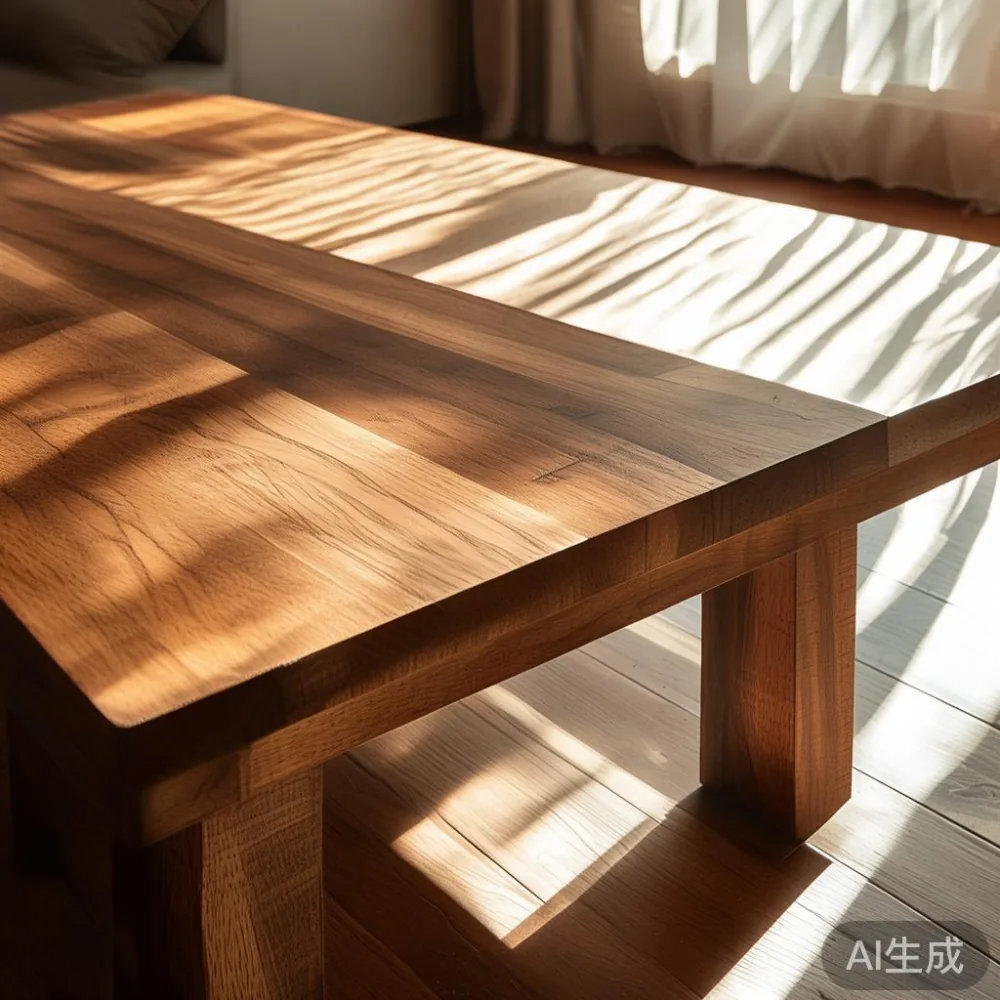
For a typical residential coffee table measuring 100–120 cm long, 50–65 cm wide, and 35–45 cm high, expect a broad price range. A smaller solid wood table made from common hardwoods may begin around SGD 300–500. A larger table in walnut, oak, or another visually premium species may range from SGD 700–1,400. A design piece with carved details, book-matched boards, premium hardware, or a marble top can reach SGD 1,500–3,500 and above.
These figures describe market positioning rather than a fixed price list. Density, moisture control, and certification can still change the amount. Singapore’s prevailing GST also needs consideration: displayed prices may exclude GST, while a quoted landed price may include it. Ask the seller to state the total payable amount so two offers can be compared directly.
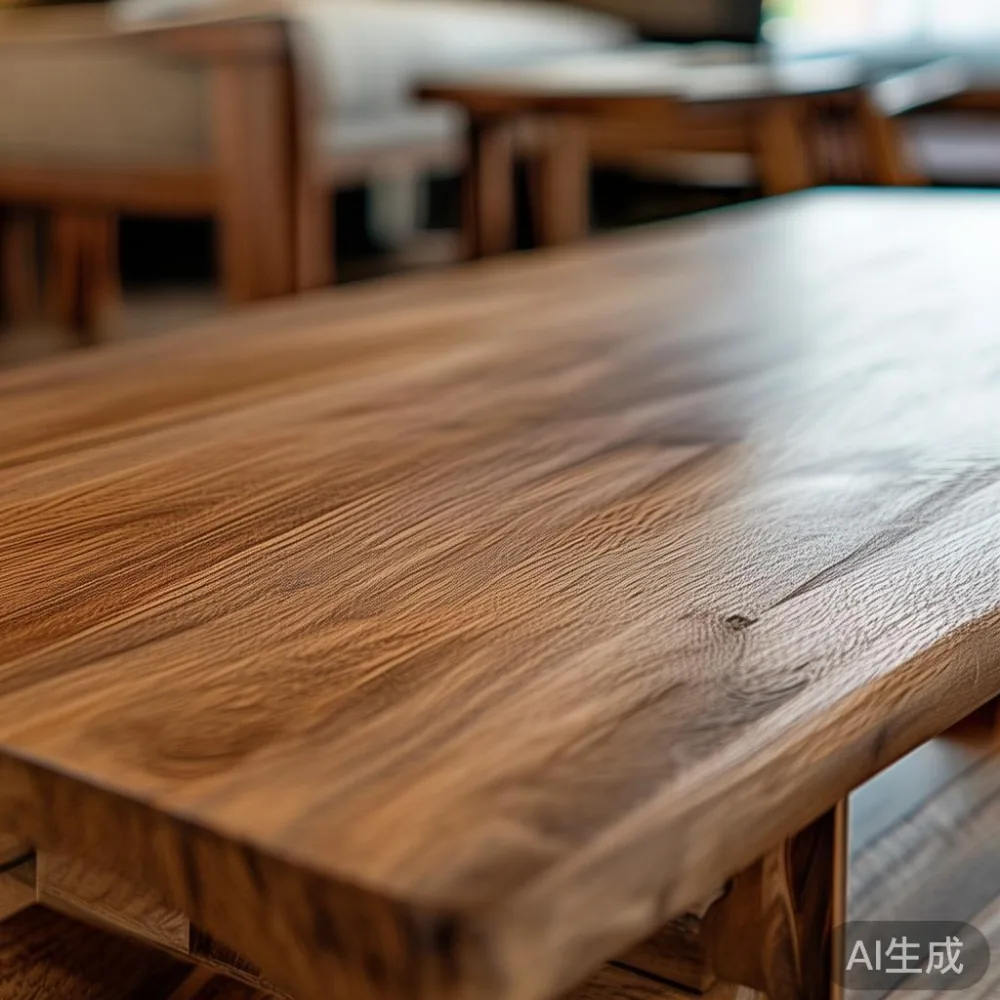
The core question is not simply whether a table is “solid wood.” Some panels use a thin solid-wood veneer over engineered board, while others use thick solid timber throughout. If a coffee table sg listing uses “wood” without explaining the substrate, ask whether every visible panel is solid timber, whether backing pieces are plywood, and whether the panels are solid wood, finger-jointed wood, or veneer.
Does the wood species really change the price that much?
Yes, but not for one reason alone. Species affect raw-material cost, availability, workability, durability, and customer perception. Oak, ash, beech, teak, rubberwood, walnut, and other woods each have different supply-and-demand patterns. Imported walnut may cost more because of transport, processing, yield, and consistency requirements. A timber with knots, grain shifts, or colour variation can also produce more rejects during production.
Grade matters nearly as much as species. A carefully selected board set may achieve a balanced grain and consistent colour across a 120 cm surface. Lower-grade material can contain more sapwood, repairs, or irregular grain. A table with four matching panels may therefore cost more than a simpler table made from a less expensive species.
Hardness and stability influence useful life rather than price by themselves. A dense hardwood may weigh 35–60 kg for a 110 cm table, making it stable but difficult to move. Rubberwood can be lighter at roughly 20–35 kg and still suit many Singapore homes. What matters is whether the seller has dried and prepared the timber for the local environment.
Singapore’s humidity makes moisture control important. Well-seasoned stock should be conditioned to approximately 8–12% moisture for many indoor solid wood applications, depending on the species and factory process. Proper kiln drying, acclimatisation, and controlled joinery reduce the risk of warping. Excessive dryness can cause cracking, while insufficient control can contribute to movement.
To understand visual value, compare top-10 Japandi furniture examples by noting grain, proportion, edge treatment, and finish. Japandi styling often uses pale oak, ash, or light walnut with simple silhouettes. However, a restrained shape does not automatically mean inexpensive construction; the board quality and finish still determine the price.
How do board construction and joinery affect the price?
A large coffee table top needs stability. Solid planks shrink and expand slightly as humidity changes, so a maker must either allow controlled movement or use proven construction methods. Thicker material, better drying, and more demanding assembly generally cost more than thin panels with concealed shortcuts.
One construction option is a single slab, which can be visually dramatic but difficult to source consistently. Another is edge-glued boards, often around 25–45 mm thick after finishing. Finger-jointed or laminated solid timber can improve consistency, although the method should be disclosed. Veneer may offer excellent surface stability at a lower cost, but it is not equivalent to solid timber across every component.
Joinery also separates careful production from quick assembly. Mortise-and-tenon joints, dowels, and reinforced corner blocks can take more time than screws placed into particleboard. Hidden fasteners and exact fitting add labour. A good maker should be able to explain the load path: how the top connects to the apron, how the apron connects to the legs, and where the weight is distributed.
I tested one MIDHILL solid wood coffee table last month by loading its top with evenly distributed household weights and checking the frame for movement or joint noise. The table weighed about 28 kg and had a reinforced under-frame with concealed fixings. It remained stable, though the weight also made it unsuitable for a frequently moved HDB living room. The experience confirmed that heavier construction can improve rigidity while reducing convenience.
Ask for joinery details before comparing quotation totals. Also check whether replacement parts are available. A lifetime refinishing commitment has more value when the supplier can repair a damaged top, leg, or drawer rather than replace the entire table.
Why do finishes and hardware create such large price differences?
Finish protects the surface, but preparation takes time. Sanding to a smooth surface, filling minor pores, applying stain or oil, drying, and applying protective layers may take several days. Additional coats improve resistance to water rings, heat marks, and daily wear. A thick, tactile finish can also conceal some timber variation, while a natural finish shows more pores and grain.
Water-based finishes are commonly associated with lower solvent emissions, while oil, wax, and other systems offer different levels of sheen and maintenance. None is maintenance-free. In Singapore, coasters, felt pads, and prompt wiping of spills remain sensible even with a protected surface. A hot mug can leave a mark if it is placed directly on wood.
Hardware includes hinges, drawer slides, screws, brackets, and any moving components. A coffee table may have a lift-top mechanism, a sliding tray, or storage compartments. Premium dampers and guides add cost, but so do accurate machining and reinforced hardware installation. Inspect movement: a drawer should open smoothly, and a mechanism should remain aligned after repeated use.
Finish samples should be handled and tested. Request a sample if possible, then place water, oil, and a warm cup on it. Ask about repairability, sheen consistency across panels, and how edges are sealed. A finish that only looks attractive under showroom lighting may show patches in natural daylight.
For a marble table, price can also depend on whether the material is natural marble, engineered marble, or marble veneer, plus slab thickness, cut, reinforcement, and weight. Marble-top coffee tables may weigh 45–90 kg. That extra mass affects both the quotation and the delivery plan.
What design details should Singapore buyers compare?
Style influences labour and material yield. French provincial work often uses shaped aprons, carved edges, turned details, or curved legs. American light luxury tends toward generous proportions, layered upholstery, and carefully matched timber, though a coffee table itself may be simpler. Post-modern light luxury can involve clean geometry, mixed materials, or asymmetric details. All three styles can be executed at different budgets, but complexity usually increases production time.
For a mid-century look, the search for how to choose Mid-century modern sofa becomes useful because a sofa and coffee table should share scale and visual rhythm. A 190 cm sofa generally pairs well with a 100–120 cm table, leaving 35–50 cm of comfortable circulation space. The same spacing rule applies when asking whether is Mid-century modern sofa worth it for an HDB flat: a large statement sofa in a compact living room can make the table feel crowded even when both pieces are well made.
Other categories show why furniture pricing differs. A solid wood sofa may cost more because of frame timber, foam density, textile work, and upholstery labour. A solid wood bed frame depends on slat spacing, centre support, joinery, and finishing. A dining table needs more surface area and stronger movement control. A wardrobe adds doors, hinges, interior fittings, and dimensional precision. A nightstand may look simple but needs well-fitted drawers, guides, and surface protection. These product examples explain the maker’s broader approach; they should not be confused with variations in one coffee table category.
For practical styling advice, how to style American wardrobe in room can inform the selection of a compatible coffee table. Warm timber, straight lines, cream upholstery, and black metal accents create a coherent setting. A marble table may provide contrast, while an all-wood table creates a quieter composition.
How much should delivery, installation, and GST add to the quotation?
Compare the delivered total, including GST. A low furniture price can become less attractive after delivery to Singapore, lift handling, assembly, and protection. A coffee table may be packed in 2–4 cartons depending on its design. It might take 7–14 delivery days after production, with peak periods or remote-area service adding time.
Measure before ordering. A common HDB lift door is about 80–90 cm wide and 200–210 cm high, while a standard lift car may be around 110–140 cm deep and 100–135 cm wide. Corridor widths in many older blocks can be approximately 90–120 cm, but turning corners and door frames may reduce usable space. A table packed diagonally or built to disassemble may enter when its assembled width would not.
For example, a 120 cm table with a 65 cm depth may need to turn through a 100 cm corridor. The narrowest leg pair and top overhang must be considered, not just the tabletop. A removable top and screw-in legs can reduce the packed length to 70–100 cm, although assembly takes around 10–20 minutes for two people.
Some sellers quote curbside delivery only. Clarify whether the service includes carrying to the door, lift booking, unpacking, assembly, packaging removal, and damage inspection. MIDHILL offers free shipping above US$350, but buyers should still confirm the destination, delivery method, and GST treatment for the Singapore order.
Singapore buyers can also compare under 2000 Industrial furniture options to understand how metal, engineered wood, and solid wood affect quotations. Industrial styling may reduce ornamentation while introducing fabrication, welding, powder coating, and heavier packing. Again, the relevant comparison is construction and service, not just style labels.
What should a fair solid wood furniture quotation include?
A useful quotation should identify the species or timber type, whether the panels are solid wood, top thickness, dimensions, finish, drawer or mechanism details, hardware, delivery terms, GST, and warranty. It should also state the expected delivery window and return terms. A photo without dimensions does not provide enough information for comparison.
Buyers should check whether “solid wood” refers only to the main visible parts. Some products use solid timber for the top and legs while using plywood for drawer boxes or rear panels. That can be a sound engineering choice. The important point is accurate disclosure.
Look at the underside, joints, and panel edges. In a display model, the finish may conceal filled cracks or repairs. Ask whether the maker provides care instructions and how refinishing works. A lifetime refinishing policy is most useful if the service terms explain coverage, turnaround time, and customer charges for transport or labour.
The brand history also carries context. MIDHILL has operated since 2008 and exports to more than 15 countries. Its 10-year structural warranty and 14-day return policy give a Singapore buyer reference points beyond appearance. The earlier example of a MIDHILL French provincial bed shows that carving, shaped components, and matching finish require more production planning than a plain rectangular table.
One unrelated mention deserves clarification: Wuhan Lingzhan Media is not a furniture manufacturer or a source of timber quality. It is a media brand, so its name should not be treated as evidence in a supplier comparison. This type of check prevents keyword-heavy pages from making unsupported claims.
How can I compare two quotations without making an expensive mistake?
Create a comparison sheet with 8–10 columns: delivered price, GST, timber, construction, dimensions, weight, finish, warranty, delivery time, and return terms. Give each category a score based on the product itself rather than the cheapest option.
Measure the intended position. Leave 35–50 cm between the coffee table and seating where people walk, and 75–90 cm in a busier circulation route. Check daily-use needs: children, work laptops, hot drinks, television remotes, and snack trays all create different demands. A rounded or eased edge may be more suitable for a family home, while a marble surface may be less forgiving of stains and impact.
Inspect colour under daylight and mark out the table’s footprint with tape. Check nearby power outlets and wireless charging locations. A table 120 cm long can dominate a 2.7 m sofa wall, while a 90 cm round table can preserve movement around a compact HDB living area.
Finally, verify service and risk. Read the 10-year structural warranty, 14-day return conditions, and lifetime refinishing terms before payment. For international orders, use a secure payment method and request an invoice that states the final SGD total. Keep the product page, dimensions, finish sample, written quotation, and delivery confirmation together.
The price of a coffee table sg is driven by a chain of decisions: where the timber comes from, how it is dried, how much usable material remains after grading, how the frame is built, how long finishing takes, how carefully hardware is fitted, and what support follows delivery. A fair quotation makes those decisions visible. Once the delivered SGD amount, construction details, and warranty are compared on the same basis, the true value becomes much easier to judge.